
Nigerian business owners struggling with soaring electricity bills and unreliable power supply have discovered an expensive truth about window films: the cheapest option often costs the most money in the long run.
This guide is for facility managers, business owners, and decision-makers across Nigeria who want to understand why cutting corners on window film leads to higher operational costs and reduced energy efficiency. You’ll learn how Nigeria’s harsh climate destroys low-quality films and why the initial savings vanish quickly.
We’ll examine how cheap window films fail under Nigeria’s intense heat and humidity, leading to premature replacement and wasted investment. You’ll also discover the true cost of electricity waste when inferior films can’t deliver promised energy savings, plus learn how to select professional-grade films that actually perform in Nigerian business conditions.
The Hidden Dangers of Low-Quality Window Films for Nigerian Businesses
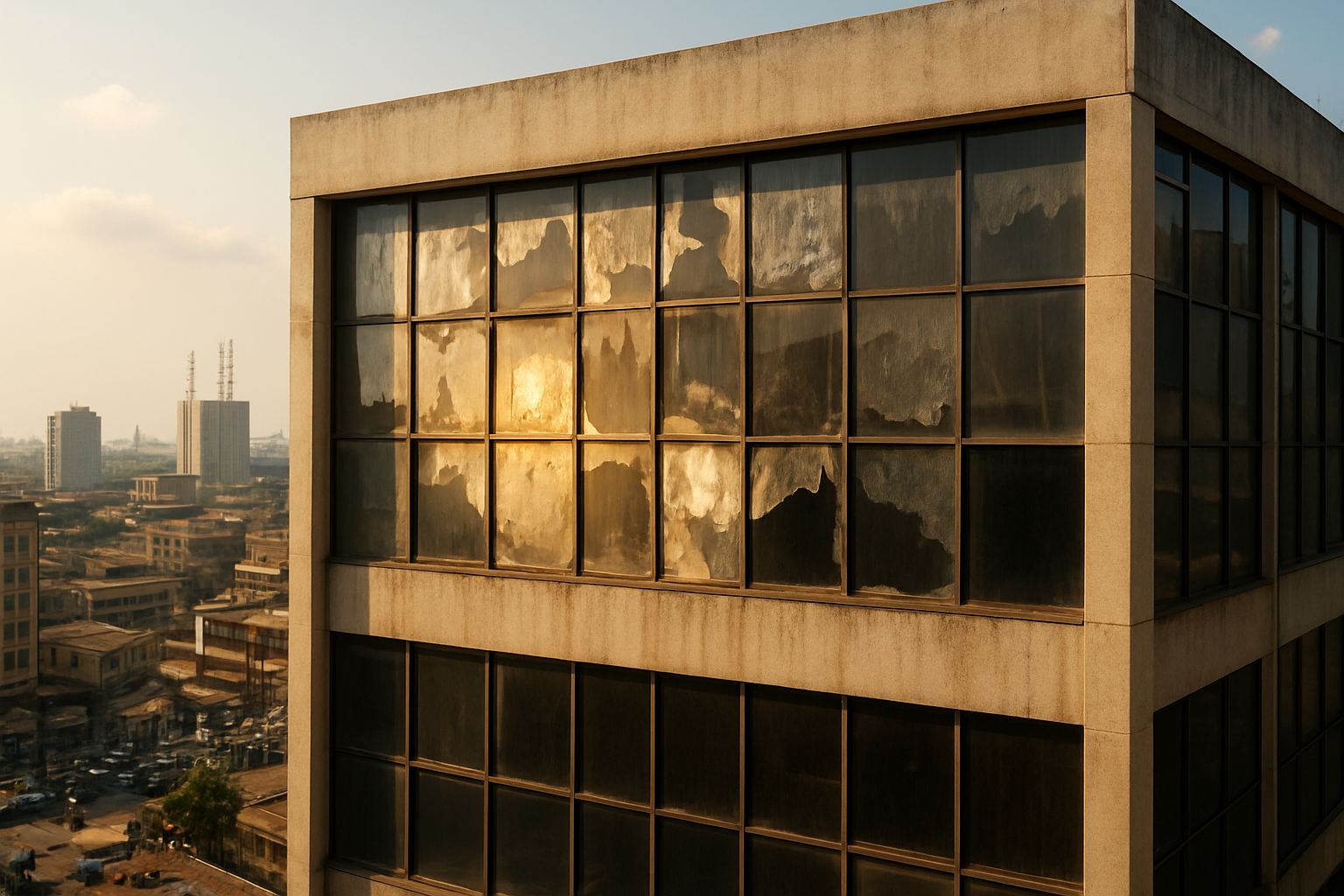
Poor heat rejection leads to excessive air conditioning costs
Without quality window film, air conditioning systems are forced to work significantly harder and longer to combat intense solar heat gain, creating a cascade of operational problems for Nigerian businesses. This increased workload leads to dramatically higher energy consumption and places excessive strain on electrical systems that are already challenged by Nigeria’s power infrastructure limitations.
The financial impact becomes particularly severe during Nigeria’s hot months, when air conditioning can account for an staggering 60-70% of total electricity consumption. When cheap window films fail to effectively reject heat, businesses face exponentially higher utility bills as their HVAC systems run continuously in futile attempts to maintain comfortable indoor temperatures.
Inferior adhesives fail in Nigeria’s extreme humidity and temperature
Nigeria’s intense heat and humidity create particularly challenging conditions that demand professional-grade materials and installation techniques. Professional installation is essential to guarantee proper adhesion and maximum performance in these extreme environmental conditions, highlighting how inferior adhesives or DIY approaches inevitably lead to premature failure.
When businesses opt for low-quality films with substandard adhesives, they discover that Nigeria’s climate quickly exposes these material weaknesses. The combination of extreme temperatures and high humidity levels causes cheap adhesives to break down rapidly, resulting in film separation, peeling, and complete system failure within months rather than years.
Cheap films fade and bubble within months requiring costly replacement
Dyed films, while representing the most affordable initial option, demonstrate poor durability under Nigeria’s intense solar radiation. These budget alternatives may fade significantly over time, losing both their aesthetic appeal and functional effectiveness as the intense sun breaks down their chemical composition.
DIY installation compounds these problems exponentially, often resulting in premature film failure that forces businesses to invest in complete replacement systems far sooner than anticipated. The false economy of choosing cheap materials becomes apparent when businesses must repeatedly pay for new installations, ultimately spending far more than the initial investment in quality materials would have required.
Lack of UV protection damages expensive office furniture and equipment
The UV radiation component of sunlight wreaks havoc on business interiors, systematically destroying valuable assets through continuous exposure. Without proper UV protection, furniture begins to fade, curtains deteriorate rapidly, and electronic equipment operates at higher temperatures, reducing their operational lifespan and increasing replacement costs.
Unprotected wooden furniture suffers particularly severe damage, experiencing cracking, warping, and finish deterioration when exposed to direct sunlight streaming through unprotected windows. Beyond furniture, artwork, photographs, and decorative items also suffer irreversible UV damage, representing significant financial losses for businesses that have invested in creating professional, welcoming environments for clients and employees.
How Nigeria’s Climate Destroys Cheap Window Film Performance
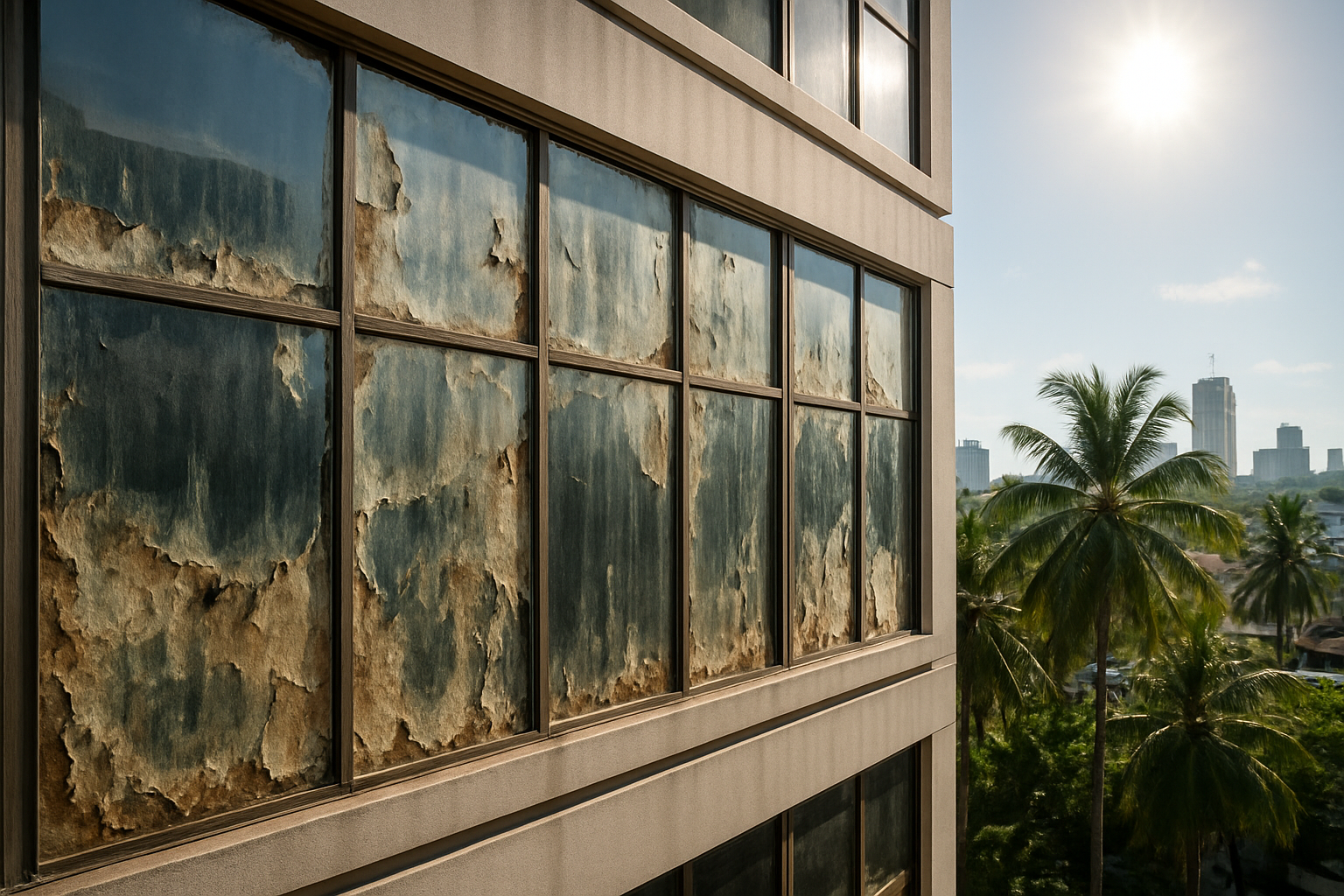
Extreme temperatures above 40°C cause film delamination and shrinkage
Nigeria’s northern states experience scorching days exceeding 40°C (104°F), creating extreme conditions that severely compromise cheap window film performance. The tropical climate brings year-round intense heat, with temperatures often above 35°C in many regions, placing tremendous stress on inferior film materials. Under these extreme temperatures, low-quality films begin to delaminate—a process where the film layers separate and peel away from each other.
This delamination occurs because cheap films use inferior adhesive systems that cannot withstand Nigeria’s relentless heat. As temperatures soar, the adhesive bonds weaken and fail, causing the film to shrink and pull away from window edges. The result is unsightly bubbling, wrinkled surfaces, and eventual complete film failure that leaves businesses with damaged windows and wasted investment.
High humidity levels weaken adhesive bonds leading to edge lifting
The Middle Belt regions and Southern coastal areas face high humidity levels year-round, creating additional challenges for window film performance. When combined with intense heat, this humidity creates a destructive cycle that attacks the adhesive foundation of cheap films. Proper adhesion is crucial for maximum performance in Nigeria’s intense heat, and when this adhesion fails, the consequences are immediate and costly.
Professional installation is required to guarantee proper adhesion in Nigeria’s intense heat and humidity, but even the best installation cannot compensate for inferior film materials. As humidity penetrates weak adhesive bonds, edge lifting begins—starting as small corners that gradually spread across the entire film surface. This progressive failure not only destroys the film’s appearance but completely eliminates its functional benefits.
Intense solar radiation breaks down low-grade materials rapidly
The Nigerian sun blazes overhead most days, with intense solar radiation that quickly exposes the limitations of cheap window films. Dyed films, an affordable option, may fade over time under Nigeria’s intense sun, losing both their aesthetic appeal and functional effectiveness. This UV radiation from sunlight wreaks havoc on interiors, but low-quality films provide inadequate protection while simultaneously degrading under the same conditions they’re meant to combat.
The breakdown process accelerates rapidly in Nigeria’s climate, with cheap films showing visible deterioration within months rather than years. Colors fade to unsightly purples and browns, while the film material becomes brittle and begins to crack, allowing harmful radiation to penetrate and damage interior furnishings and equipment.
Dust and pollution accumulation reduces visibility and effectiveness
Northern regions experiencing the Harmattan season combine dust particles with intense solar radiation, requiring robust films to maintain performance. Cheap window films lack the surface treatments and durability needed to resist this challenging combination of environmental factors. As dust and pollution accumulate on degraded film surfaces, visibility through windows decreases significantly, while the film’s ability to reject heat and UV radiation diminishes correspondingly.
This accumulation creates a compounding problem where the film not only fails to perform its intended function but actually becomes a liability, requiring frequent replacement and causing ongoing disruption to business operations.
The True Cost of Electricity Waste from Inferior Films
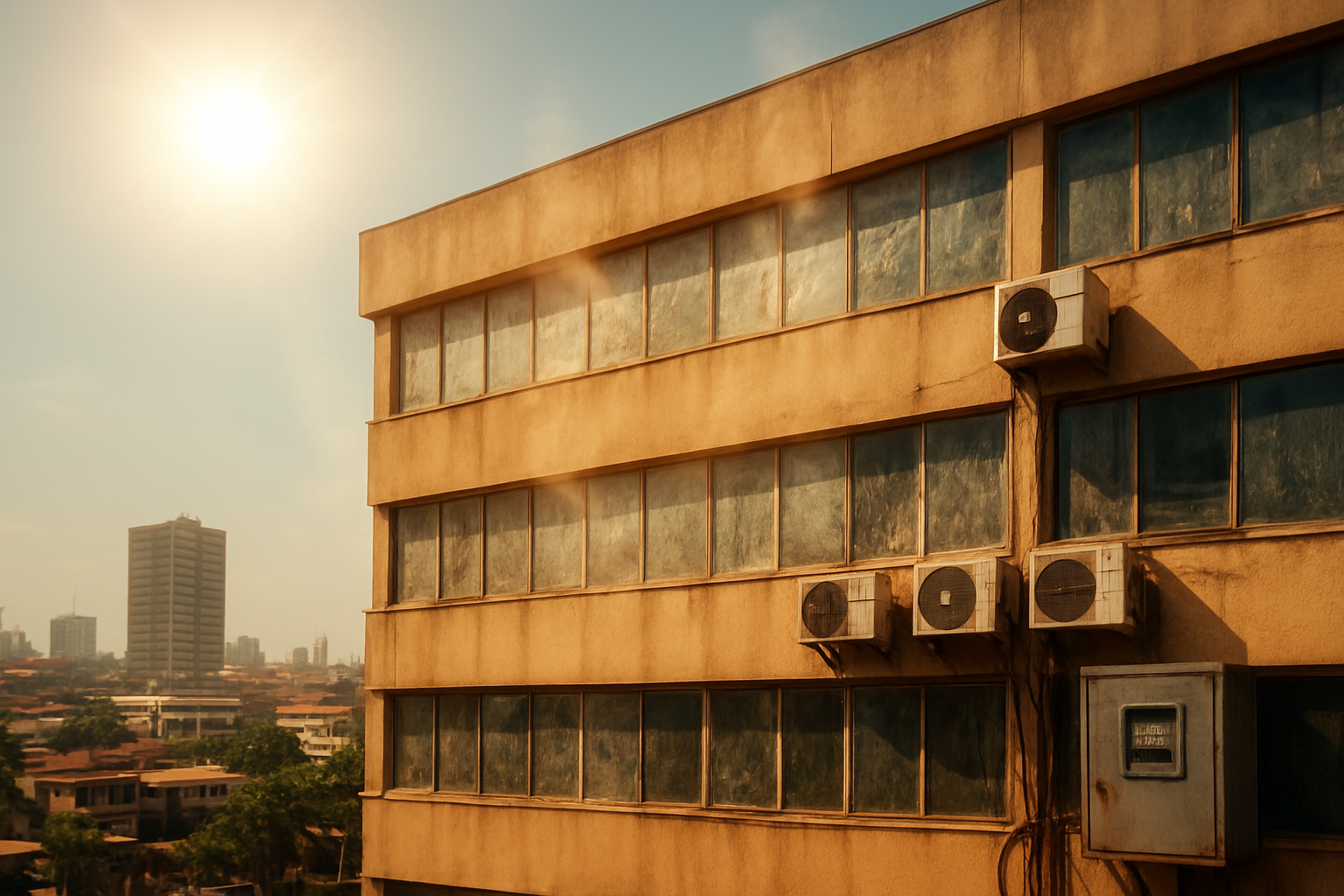
Failed films increase cooling costs by 60-70% of total energy consumption
A typical business air conditioning system can account for 60-70% of total electricity consumption during Nigeria’s intense hot months. Without quality window film protection, AC units work significantly harder and longer against relentless solar heat penetrating through untreated windows, leading to dramatically higher energy consumption. This astronomical percentage demonstrates how inferior window films directly translate into massive operational costs that eat away at business profits month after month.
Overworked HVAC systems require frequent repairs and early replacement
HVAC systems in Nigerian businesses work overtime combating intense heat from untreated windows, leading to accelerated wear on critical components like compressors, filters, and cooling coils. Without proper window film protection, AC units in major cities like Lagos might need major servicing every 8-10 months, compared to 12-15 months with quality film installation.
The financial implications extend far beyond routine maintenance. Reduced AC strain from quality films can extend equipment lifespan by 2-3 years, preventing premature compressor failure that forces expensive emergency replacements. Central air system replacements in Nigeria cost between ₦500,000 to ₦2,000,000, representing a substantial unplanned capital expenditure that quality window films could have prevented.
Rising electricity tariffs multiply the impact of poor energy efficiency
Electricity costs in Nigeria have climbed dramatically with multiple tariff increases, pushing monthly bills significantly higher for businesses across all sectors. These escalating tariff increases accelerate the payback periods for quality window films, making the initial investment even more attractive from a financial perspective. Previously manageable energy costs now represent crushing operational expenses for businesses operating with inferior window protection.
Generator fuel costs skyrocket during power outages without proper solar control
Frequent power outages force Nigerian businesses to rely on backup generators, incurring substantial additional fuel and maintenance costs. Generator-powered air conditioning burns fuel at alarming rates during extended outages, particularly when buildings lack proper solar heat control. With this in mind, businesses discover that quality window films become even more critical during generator operation, as reduced cooling demands translate directly into fuel savings and extended generator runtime capacity.
Quality Window Films Deliver Measurable Business Savings

Professional-grade films block 50-80% of solar heat gain consistently
Quality window films demonstrate remarkable performance in blocking solar heat gain, with professional-grade options consistently achieving 50-80% heat rejection rates. Advanced film technology can reject up to 80% of solar heat, while premium options reach up to 85% reduction in heat transfer through windows. This substantial heat rejection capability forms the foundation for significant energy savings in Nigerian commercial environments.
The consistency of this performance sets quality films apart from cheaper alternatives that may claim similar ratings but fail to deliver sustained results. Professional-grade films maintain their heat rejection properties throughout their operational lifespan, ensuring businesses receive the promised energy efficiency benefits year after year.
Businesses achieve 25-40% reduction in air conditioning energy consumption
Now that we understand the heat rejection capabilities, the energy savings become clear. Nigerian homes and businesses typically see 25-40% reduction in air conditioning energy consumption after professional film installation. Commercial buildings in Abuja report even more impressive results, with 30-45% annual energy savings documented across multiple installations.
A prime example comes from a corporate office building in Ikeja, which achieved a 42% reduction in peak cooling demand after installation. This substantial decrease in cooling requirements translates directly to reduced electricity costs and improved operational efficiency for Nigerian businesses operating in challenging climate conditions.
Premium films maintain performance for 15-20 years with minimal maintenance
With this energy performance established, the longevity factor becomes crucial for business planning. Most premium films maintain 90% of their original performance for 10-15 years in Nigerian conditions with minimal maintenance requirements. Quality window films can last 15-20 years with minimal care, making them a truly long-term investment rather than a temporary solution.
This extended performance period means businesses can rely on consistent energy savings throughout the film’s operational life, without experiencing the rapid degradation common with inferior products that may require replacement within just a few years.
Payback periods of 18-30 months make quality films profitable investments
Previously, we’ve seen the energy savings and longevity benefits, but the financial returns make the strongest business case. Payback periods typically range from 18-30 months for installations, with many high-consumption facilities recovering costs within 18-24 months. The corporate office building in Ikeja recorded an impressive 15-month payback period, demonstrating the rapid return on investment possible with quality installations.
These short payback periods mean businesses begin seeing net positive returns within the second or third year, followed by over a decade of pure savings, making quality window films one of the most profitable building efficiency investments available to Nigerian businesses.
Protecting Your Business Assets Beyond Energy Savings

UV protection prevents fading of expensive furniture and office equipment
Quality solar control films block 99% of harmful UV rays, significantly extending the life of expensive furniture and creating substantial long-term savings for Nigerian businesses. This protection preserves the color and texture of items like leather sofas, and prevents cracking, warping, or loss of finish for wooden furniture that would otherwise deteriorate rapidly under Nigeria’s intense sunlight.
The investment protection extends beyond furniture to include artwork, photographs, and decorative items that also benefit from UV protection. Without proper window film, these valuable business assets face continuous degradation, requiring costly replacements or repairs that could easily be prevented.
Extended HVAC lifespan saves thousands in premature replacement costs
Now that we understand furniture protection, the benefits extend significantly to your cooling systems. Reduced strain on AC systems extends equipment lifespan by 2-3 years, preventing premature compressor failure that plagues many Nigerian businesses operating without adequate solar control.
Central air systems in Nigeria cost ₦500,000 to ₦2,000,000 to replace, making film an insurance for cooling equipment investment. This substantial cost saving alone often justifies the initial film investment, as businesses avoid the financial burden and operational disruption of unexpected HVAC failures.
Improved employee comfort and productivity in climate-controlled environments
With this equipment protection in mind, the human factor becomes equally important. A corporate office building in Ikeja reported improved employee comfort ratings by 28% after film installation, demonstrating the measurable impact on workplace satisfaction and productivity.
This comfort improvement translates directly to business performance, as employees work more efficiently in consistently comfortable environments without the distraction of excessive heat and glare.
Enhanced property value and marketability for energy-efficient buildings
Energy-efficient features, including window film, are major selling points in Nigeria’s real estate market. Properties with energy-saving features sell faster and command higher prices, with property value increases ranging from 3-5%.
For a ₦30,000,000 property, this translates to ₦900,000 to ₦1,500,000 in added value. Properties with solar film can be marketed as “move-in ready” with immediate comfort and cost savings, providing a competitive advantage in the commercial real estate market.
Selecting Professional-Grade Films for Nigerian Business Conditions

Ceramic and Spectrally Selective Films Outperform Cheap Alternatives Significantly
Ceramic films represent the pinnacle of window film technology, utilizing advanced nano-ceramic technology that delivers superior heat rejection without any metal content. This makes them the optimal choice for Nigeria’s harsh climate conditions. Unlike cheap alternatives that may contain metals, ceramic films won’t fade over time and crucially won’t interfere with electronic devices or cellular signals – a critical consideration for modern businesses.
Spectrally selective films offer another premium solution, specifically engineered to reject infrared heat while allowing maximum visible light transmission. This dual functionality ensures your office spaces remain bright and welcoming while dramatically reducing heat buildup that drives up cooling costs.
Proper Installation by Certified Technicians Ensures Maximum Performance
Now that we’ve covered the superior technology behind professional-grade films, the installation process becomes equally critical. Installation requires skilled technicians who are familiar with Nigerian building standards and unique climate conditions. Professional installation guarantees proper adhesion and maximum performance, especially important given Nigeria’s intense heat and humidity levels.
The expertise of certified installers cannot be understated – they understand how local environmental factors affect film performance and can ensure optimal application techniques that maximize the film’s lifespan and effectiveness.
Manufacturer Warranties of 10-15 Years Protect Your Investment
With proper installation in mind, certified installers typically provide 5-10 year warranties on their workmanship, offering substantial protection for your investment. This stands in stark contrast to DIY installation attempts, which often lead to premature failure and voided manufacturer warranties, ultimately costing businesses more in replacement and energy costs.
Climate-Specific Film Recommendations for Different Nigerian Regions
Previously established premium film technologies perform differently across Nigeria’s diverse climate zones. For Lagos and coastal areas, dual-reflective ceramic films are specifically recommended due to their superior corrosion resistance and maximum cooling properties – essential for combating the high humidity and salt air exposure common in these regions.
For Abuja and central regions, spectrally selective films offer balanced performance and year-round comfort, adapting well to the more moderate climate variations found in Nigeria’s capital territory.
For Kano and northern regions, films with high UV protection and dust resistance become crucial, particularly during Harmattan season when dust storms can compromise inferior film performance. These specialized films maintain their effectiveness even when faced with the unique environmental challenges of Nigeria’s northern climate zones.
Nigerian businesses cannot afford to gamble with cheap window films when their bottom line depends on energy efficiency and operational costs. The evidence is overwhelming: inferior films fail quickly in Nigeria’s harsh climate, waste electricity through poor heat rejection, and ultimately cost more through frequent replacements and higher cooling bills. Quality window films deliver measurable savings of 25-40% on air conditioning costs, protect valuable equipment and furnishings from UV damage, and provide reliable performance for 10-15 years.
The choice between cheap and professional-grade window films isn’t just about upfront costs – it’s about protecting your business investment for the long term. With electricity tariffs continuing to rise and Nigeria’s intense climate showing no signs of mercy, investing in quality solar control films makes sound business sense. Don’t let short-term thinking drive long-term losses when proven solutions are available to slash your energy bills and enhance your business environment.