
Why Window Films Are Becoming Essential in Modern Commercial Buildings in Nigeria
Nigeria’s commercial building sector is rapidly embracing window films as energy costs soar and businesses seek smarter ways to manage their operational expenses. Property managers, facility directors, and business owners across Lagos, Abuja, and other major cities are discovering that window films offer a practical solution to Nigeria’s intense heat, high electricity bills, and the need for comfortable workspaces.
This comprehensive guide is designed for commercial property stakeholders who want to understand how window film technology can transform their buildings’ performance and bottom line. We’ll explore the energy efficiency benefits that can cut your HVAC costs significantly, examine how UV protection preserves your valuable interior investments, and break down the cost-effectiveness that makes window films a smart long-term investment for Nigerian commercial properties.
Whether you manage office complexes, retail spaces, or industrial facilities, you’ll learn why leading Nigerian businesses are making window films a priority in their building upgrades and new construction projects.
Understanding Window Film Technology and Applications for Nigerian Commercial Buildings
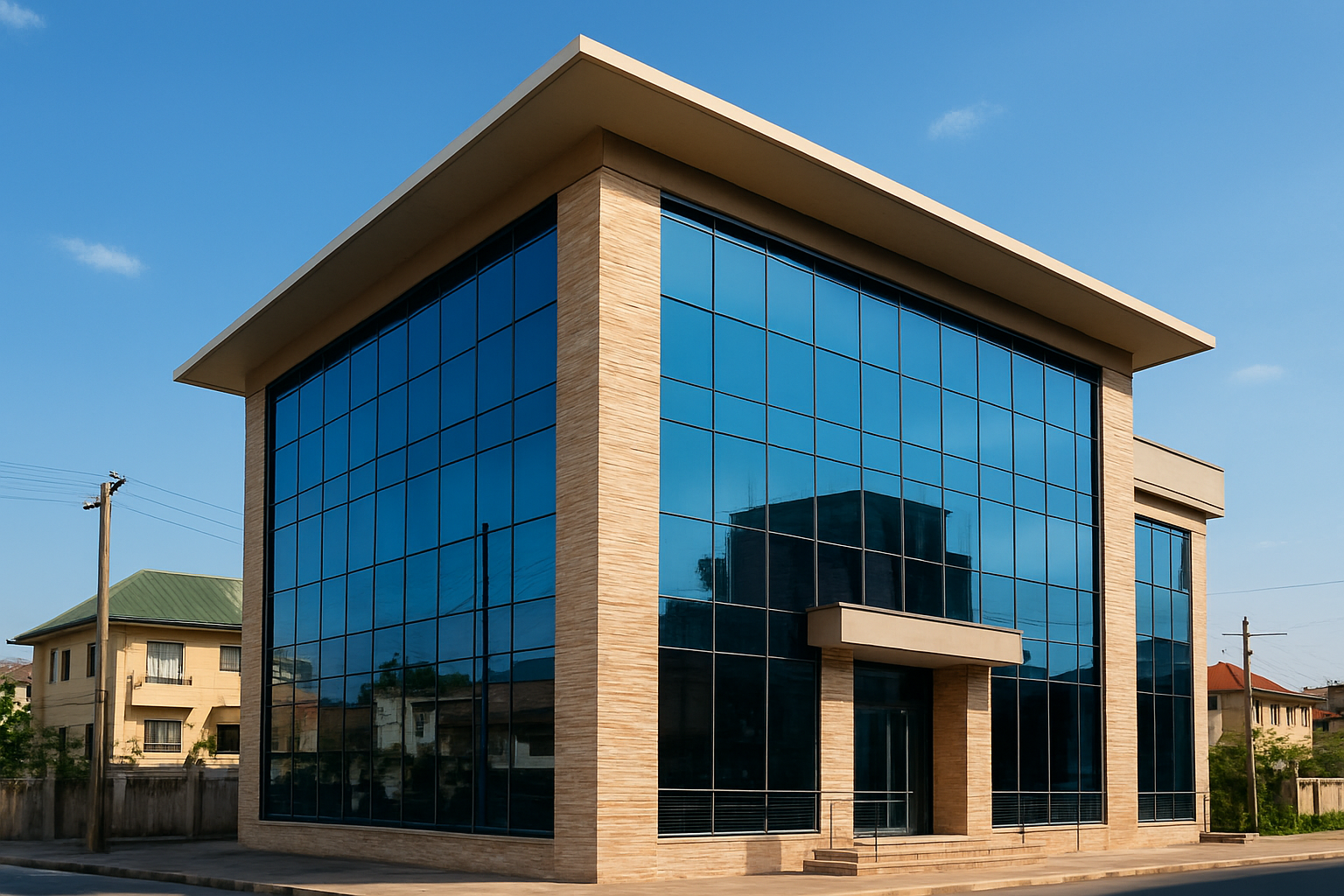
Definition and Composition of Window Films for Glass Surfaces
Window films represent a scientifically-engineered solution specifically designed to transform the performance characteristics of existing glass surfaces in commercial buildings. These films consist of multiple layers of polyester or polymer materials that are precisely manufactured to achieve specific optical and thermal properties. The composition typically includes adhesive layers that ensure permanent bonding to glass surfaces, while maintaining the structural integrity of the original glazing system.
High-performance architectural films are specifically formulated to address Nigeria’s challenging climate conditions, incorporating advanced materials that can withstand extreme heat, humidity, and UV exposure. The manufacturing process involves layering different materials to create films that can block up to 99% of harmful UV radiation while maintaining optical clarity for natural light transmission.
Different Types of Window Films: Dyed, Metallic, and Ceramic Options
The commercial window film market offers three primary technological approaches, each with distinct performance characteristics suited to different commercial applications.
Dyed window films utilize color-stable dyes embedded within the film structure to absorb solar energy and reduce heat transmission. These films provide excellent glare reduction and privacy enhancement while offering cost-effective solar control for commercial properties.
Metallic films incorporate thin metallic layers that reflect solar radiation away from the building interior. This technology delivers superior heat rejection performance and can significantly reduce cooling energy requirements in commercial environments.
Ceramic films represent the most advanced option, utilizing nano-ceramic particles to achieve exceptional heat rejection without interfering with electronic signals. These premium films maintain superior optical clarity while delivering maximum performance in solar control applications.
Commercial-Specific Applications Versus Residential and Automotive Uses
Commercial window film installations differ significantly from residential and automotive applications in terms of scale, performance requirements, and installation complexity. Commercial properties demand films that can address larger glass surfaces, higher performance standards, and specialized requirements such as safety and security enhancement.
Solar control films for commercial buildings are specifically engineered to handle the thermal stress and environmental demands of larger glazing systems. These applications often require films that can strengthen glass against breakage and intrusion, providing both energy efficiency and security benefits simultaneously.
Privacy films in commercial settings serve dual purposes, enhancing security through elegant decorative patterns while maintaining professional aesthetics. These films can transform open office environments by providing visual privacy without completely blocking natural light transmission.
Decorative films for commercial applications focus on enhancing both privacy and architectural style, allowing businesses to customize their appearance while improving functionality. Professional installation for commercial projects requires certified technicians with specialized training to ensure proper application across large-scale glazing systems.
Energy Efficiency Benefits for Nigerian Commercial Properties
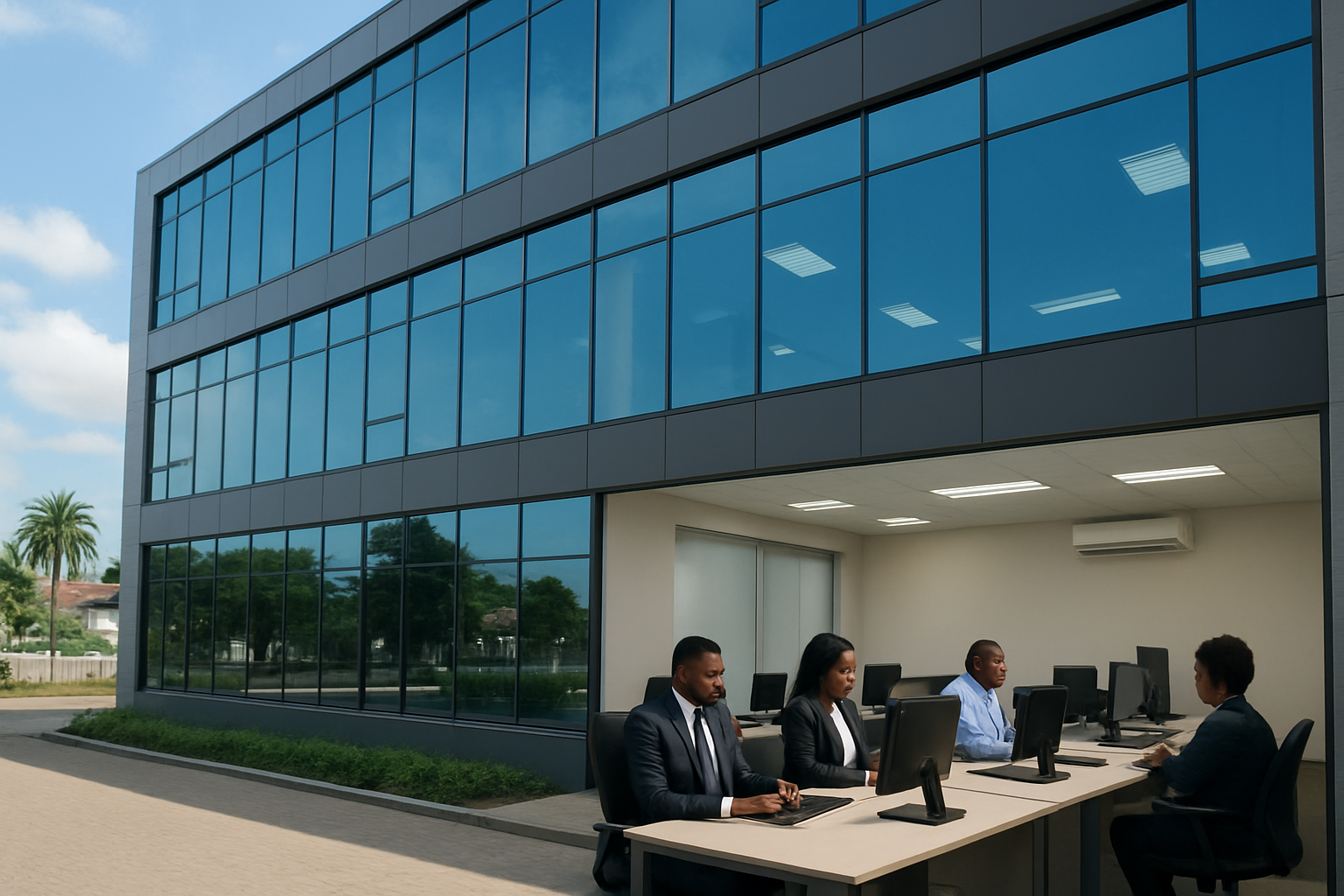
Heat Reduction and Solar Energy Rejection Capabilities
Window films utilize advanced solar technology to effectively manage heat transfer in commercial buildings. The technology incorporates a strategically placed metallized layer that functions as both an insulating and heat-reflective barrier. This dual functionality allows the film to reject significant amounts of solar energy, preventing unwanted heat from entering building interiors during Nigeria’s intense sunny periods.
The sophisticated design of these films creates a powerful solar control system that maintains stable indoor temperatures throughout the day. By blocking solar radiation at the window surface, the films prevent the greenhouse effect that commonly occurs in glass-heavy commercial structures. This solar energy rejection capability is particularly crucial for Nigerian commercial buildings that face prolonged exposure to intense sunlight, making interior spaces uncomfortably warm and energy-intensive to cool.
HVAC Load Reduction and Utility Bill Savings
Now that we understand how window films reject solar energy, the direct impact on HVAC systems becomes evident. By significantly reducing the amount of heat entering commercial spaces, window films substantially decrease the workload on air conditioning systems. This reduction in HVAC demand translates directly into measurable energy savings and lower utility costs for commercial property owners.
The energy conservation achieved through window film installation provides a budget-friendly solution compared to complete window replacement. Commercial buildings experience reduced energy consumption in both summer cooling and winter heating scenarios, as the films help maintain consistent indoor temperatures year-round. Property managers can expect to see a fast return on their window film investment through decreased operating expenses and reduced energy costs.
Temperature Control in Large Office Spaces and Glass Buildings
With this understanding of HVAC efficiency gains, temperature control becomes significantly more manageable in expansive commercial environments. Large office spaces and glass-dominated buildings benefit tremendously from the stable indoor temperatures that window films provide. The advanced solar control technology helps eliminate hot spots and temperature fluctuations that commonly plague commercial spaces with extensive glazing.
Window films address the challenge of maintaining comfortable working conditions in buildings where glass is a major component. By reducing glare and controlling heat transfer, these films create more consistent environmental conditions throughout large commercial spaces. This improved temperature stability not only enhances occupant comfort but also reduces tenant complaints and maintenance issues related to inconsistent climate control in different areas of the building.
UV Protection and Interior Preservation Advantages
99% UV Ray Blocking for Employee and Customer Safety
Window films equipped with advanced ceramic technology provide exceptional protection by blocking up to 99% of harmful UV rays. This significant level of UV rejection creates a safer environment for both employees and customers who spend extended periods indoors. The harmful UV light that typically penetrates through standard glass windows poses serious health risks, including increased skin exposure that can lead to long-term damage. By installing professional-grade window films, commercial building owners can substantially reduce these health risks while maintaining clear visibility through their windows.
The low reflectivity characteristics of modern ceramic window films ensure that occupants can still enjoy natural views to the outside while benefiting from comprehensive UV protection. This balance between protection and visibility makes these films particularly suitable for commercial environments where maintaining an open, welcoming atmosphere is crucial for business operations.
Protection of Office Furniture, Flooring, and Equipment from Fading
Advanced window film technology offers superior protection for valuable interior furnishings and finishes against premature fading and sun damage. The harmful UV light that penetrates unprotected windows causes significant deterioration to office furniture, flooring materials, artwork, and expensive equipment over time. This damage is often gradual but cumulative, leading to costly replacement needs that could have been prevented.
Sputtered ceramic technology in modern window films provides comprehensive protection by rejecting a substantial portion of total solar energy while preserving the natural appearance of glass. This technology is particularly effective at maintaining the color integrity and structural quality of interior materials, ensuring that commercial spaces retain their professional appearance for extended periods.
The durability of ceramic window films makes them especially suitable for demanding environments, providing consistent protection against UV damage year after year. This reliability ensures that interior investments remain protected throughout the film’s service life.
Long-term Cost Savings Through Reduced Interior Replacement Needs
The installation of high-quality window films represents a strategic investment that delivers substantial long-term cost savings through reduced interior replacement needs. By preventing UV damage to expensive office furniture, flooring, and equipment, these films extend the useful life of interior investments significantly. The comprehensive warranty coverage, typically lasting 12 years or more, provides additional assurance of lasting quality and continued protection.
The cost-effectiveness becomes evident when comparing the one-time investment in window film installation against the recurring expenses of replacing faded furniture, damaged flooring, and deteriorated equipment. Commercial properties benefit from maintained aesthetic appeal and reduced maintenance costs, making window films an economically sound choice for budget-conscious business owners seeking long-term value preservation.
Enhanced Comfort and Productivity in Commercial Environments

Glare Reduction for Improved Work Conditions
Commercial window anti-glare film dramatically transforms workplace environments by addressing one of the most persistent productivity challenges in Nigerian offices – excessive sunlight glare. This innovative technology reduces glare by up to 90%, creating optimal viewing conditions for employees working with computer screens and digital displays throughout the day.
The film works through spectrally selective engineering that filters out specific wavelengths of sunlight, particularly infrared and ultraviolet rays, while preserving most visible light transmission. This sophisticated approach eliminates distracting reflections on computer monitors and glossy office partitions without completely blocking natural daylight access.
For Nigerian commercial buildings with large windows or curtain walls, glare reduction translates directly into measurable workplace improvements. Employees experience significantly fewer headaches and reduced eye strain, enabling sustained focus on computer-intensive tasks. The elimination of harsh lighting conditions removes the common workplace frustration of constantly adjusting screen positions or closing blinds to manage uncomfortable brightness levels.
Unlike traditional solutions such as blinds or curtains that block beneficial natural light, anti-glare window film preserves access to outdoor views and daylight while solving visibility problems. This balanced approach supports employee morale and satisfaction by maintaining the psychological benefits of natural lighting while eliminating productivity barriers caused by excessive brightness and screen reflections.
Consistent Temperature Maintenance Across Open Workspaces
Now that we have covered glare reduction benefits, temperature control represents another critical advantage of window film technology for Nigerian commercial environments. Advanced window films provide exceptional heat rejection capabilities, blocking up to 79% of solar heat gain while maintaining visual clarity and natural light access.
This heat rejection technology significantly reduces the burden on air conditioning systems, particularly important in Nigeria’s warm climate where cooling costs represent a substantial operational expense. The film’s ability to block up to 97% of infrared light helps maintain consistent indoor temperatures across large open workspaces, eliminating the common problem of temperature variations near windows.
Employees working in temperature-controlled environments experience increased comfort levels that directly translate into improved concentration and reduced fatigue. The elimination of hot spots near window areas creates uniform working conditions throughout the office space, preventing the productivity disruptions caused by employees relocating to avoid uncomfortable thermal conditions.
The consistent temperature maintenance also reduces the need for constant air conditioning adjustments, creating a more stable and distraction-free workspace environment. This thermal stability is particularly valuable in open-plan offices where temperature variations can affect large numbers of employees simultaneously.
Privacy and Security Benefits for Office Spaces
With temperature control advantages established, privacy considerations add another dimension to window film benefits for Nigerian commercial properties. Decorative and frosted privacy films provide essential visual separation within office environments while maintaining natural light transmission throughout the workspace.
These privacy solutions enable confidential meetings and focused work sessions without the need for completely enclosed spaces or traditional window coverings. The films create clearly defined work areas that minimize visual distractions from external activities, helping employees maintain concentration on their tasks.
Privacy window films offer varying levels of opacity and decorative options, allowing building managers to customize solutions based on specific departmental needs or security requirements. The films can provide daytime privacy while preserving the aesthetic appeal of the building’s exterior appearance.
The enhanced privacy capabilities also contribute to improved employee well-being by creating psychological comfort in workspace environments. Employees can work confidently knowing their activities are shielded from external observation while still benefiting from natural lighting and maintaining connection to outdoor views when appropriate.
Security benefits extend beyond privacy to include protection of sensitive information and equipment from external observation, particularly valuable for Nigerian businesses handling confidential client data or proprietary processes.
Professional Installation Considerations for Commercial Projects

Professional versus DIY installation for large commercial applications
When considering window film installation for commercial buildings in Nigeria, the complexity and scale of large commercial projects make professional installation essential rather than optional. Commercial applications typically involve extensive glass surfaces, multi-story buildings, and specialized requirements that go far beyond typical residential installations.
Professional installers bring specialized equipment designed for commercial-scale projects, including scaffolding systems, precision measuring tools, and industrial-grade application equipment that ensure consistent results across large surface areas. The technical expertise required for commercial installations includes understanding building dynamics, thermal expansion considerations, and the ability to work with various glass types and architectural configurations commonly found in modern Nigerian commercial buildings.
DIY approaches, while potentially cost-saving for small residential projects, present significant risks in commercial settings. The margin for error decreases substantially when dealing with expensive commercial-grade films and large glass surfaces where mistakes can result in costly material waste and potential safety hazards. Additionally, commercial projects often require coordination with building management, adherence to strict timelines, and the ability to work around operational schedules without disrupting business activities.
Warranty protection and certified installer advantages
Professional installation through certified installers provides crucial warranty protection that DIY installations cannot offer. Most commercial-grade window film manufacturers require professional installation to maintain product warranties, which typically cover both material defects and installation-related issues for periods ranging from 10 to 15 years.
Certified installers undergo specific training programs and maintain relationships with film manufacturers, ensuring they stay current with installation techniques, product specifications, and warranty requirements. This certification process guarantees that installations meet manufacturer standards and that any warranty claims will be honored without complications.
The warranty protection extends beyond just the film material to include installation workmanship, adhesion performance, and long-term durability. For commercial property owners in Nigeria, this warranty coverage represents significant value protection for substantial investments in window film systems, particularly given the challenging environmental conditions that can affect product performance over time.
Compliance with local building codes and regulations
Professional installers possess comprehensive knowledge of Nigerian building codes and local regulations that affect commercial window film installations. This expertise ensures compliance with safety standards, fire codes, and architectural requirements that vary across different commercial building classifications and municipal jurisdictions.
Building code compliance involves understanding requirements for emergency egress visibility, fire safety considerations, and structural load impacts that may affect installation methods and film selection. Professional installers maintain current knowledge of these evolving regulations and can navigate the permit processes required for commercial installations.
The regulatory landscape for commercial buildings in Nigeria includes specific requirements for energy efficiency, safety glazing standards, and accessibility compliance that directly impact window film selection and installation methods. Professional installers ensure that all installations meet these requirements while optimizing performance benefits and avoiding potential legal complications that could arise from non-compliant installations.
Cost-Effectiveness and Long-Term Investment Value

Initial Investment Versus Long-Term Energy Savings
Now that we have covered the productivity and comfort benefits of window films, let’s examine the financial implications of this investment. Commercial window tinting typically costs between $5 to $15 per square foot for most installations, with some high-performance films ranging from $6 to $12 per square foot. While this represents a moderate upfront investment, the energy savings begin immediately after installation.
Businesses can expect annual cooling cost reductions of 15 to 40 percent and heating cost reductions of 10 to 30 percent. High-performance films can block up to 80 percent of solar heat, resulting in total energy bill savings of 10 to 20 percent annually. For many commercial properties, the return on investment is achieved within 2 to 5 years, with some installations paying for themselves in under two years.
A real-world example demonstrates this value: a 15,000-square-foot office building with annual energy costs of $60,000 achieved 28 percent cooling cost savings after window film installation, resulting in $16,800 annual savings. With a total installation cost of $30,000, the break-even point was reached in just 1.8 years.
Film Durability and Lifespan Expectations (5-15 Years)
Previously, we’ve established the immediate energy benefits, but the long-term value proposition becomes even more compelling when considering film durability. Commercial-grade window films are designed to withstand the demanding conditions of Nigerian commercial environments, offering manufacturer-backed warranties that support long-term performance expectations.
Quality window films typically last between 5 to 15 years, depending on the specific product type and installation conditions. This extended lifespan means that after the initial payback period of 2-5 years, businesses continue to realize energy savings for an additional 3 to 10 years or more. During this extended period, the cumulative savings can reach several times the original investment cost.
The durability of modern window films also contributes to extended HVAC system lifespan. By reducing strain on heating and cooling equipment, businesses experience fewer repairs and longer equipment life. Studies indicate that reducing HVAC usage by just 20 percent can extend operational life by five years or more, representing significant additional cost avoidance.
Maintenance Requirements and Care Instructions
With this durability in mind, window films require minimal ongoing maintenance, making them an exceptionally low-maintenance investment. Unlike other building upgrades that may require regular servicing or replacement parts, properly installed window films need only basic care to maintain their performance throughout their lifespan.
Regular cleaning with standard window cleaning solutions is typically sufficient to maintain film performance and appearance. The films are designed to withstand normal commercial cleaning procedures without degrading or losing their energy-saving properties. This minimal maintenance requirement means that businesses can enjoy the benefits of reduced energy costs without adding significant operational overhead.
The combination of immediate energy savings, extended equipment life, and minimal maintenance requirements creates a compelling financial case for window film installation. Businesses that invest in quality films with transparent pricing and no surprise add-ons can expect measurable returns that continue to compound over the film’s operational lifespan, making it one of the most cost-effective building improvements available for Nigerian commercial properties.
Legal and Technical Considerations for Nigerian Market

Visible Light Transmission (VLT) regulations and compliance
With this in mind, commercial building developers and property managers in Nigeria must navigate the complex regulatory framework surrounding window films, particularly regarding Visible Light Transmission (VLT) requirements. The Motor Vehicles (Prohibition of Tinted Glass) Act of 1991, while primarily focused on automotive applications, establishes important precedents for tinted glass regulations in Nigeria that extend to commercial buildings.
The fundamental principle behind Nigeria’s approach to tinted glass regulation is maintaining adequate visibility and transparency for security and safety purposes. Commercial buildings must ensure their window film installations comply with local building codes and safety regulations, which typically require minimum VLT levels to prevent creating obscured or invisible interior spaces that could compromise security monitoring and emergency response capabilities.
Property owners should be particularly aware that even factory-fitted tinted glass may require compliance verification if the VLT falls below legally allowed thresholds. This consideration extends to commercial buildings where pre-installed glazing systems might already incorporate some level of tinting. It’s always safer to verify compliance requirements with local authorities when VLT appears to reduce visibility significantly.
The regulatory framework emphasizes “good cause” provisions, which in commercial contexts often relate to health and security reasons. Commercial buildings seeking to install window films with lower VLT ratings may need to demonstrate legitimate business needs, such as protecting sensitive equipment from UV damage or maintaining comfortable working environments in high-solar-gain areas.
Signal interference considerations for metallic films
Now that we have covered the regulatory landscape, commercial building operators must also consider the technical implications of metallic window films on electronic communications. Metallic films, while offering superior heat rejection and UV protection, can create significant challenges for wireless communication systems within commercial buildings.
The composition of metallic window films includes metal particles that can act as barriers to radio frequency signals, potentially disrupting cellular phone reception, Wi-Fi connectivity, and other wireless communication systems essential to modern commercial operations. This interference can severely impact business productivity and communication capabilities, making it a critical consideration during the planning phase.
Commercial property managers should conduct thorough assessments of existing and planned communication infrastructure before selecting metallic film options. Buildings with extensive wireless networks, cellular boosters, or sensitive communication equipment may need to explore alternative non-metallic film solutions that provide similar energy efficiency benefits without compromising signal transmission.
The decision between metallic and non-metallic films often requires balancing energy performance benefits against communication needs. While metallic films typically offer superior solar heat gain coefficient ratings, the potential for signal interference may make ceramic or spectrally-selective films more appropriate for certain commercial applications.
Compatibility with existing glass systems and double-glazed windows
Previously, we’ve established the importance of regulatory compliance and technical considerations. Equally critical is ensuring window film compatibility with existing glazing systems, particularly double-glazed windows commonly found in modern commercial buildings.
Double-glazed window systems present unique challenges for retrofit window film installations. The thermal dynamics of insulated glass units can be significantly altered by adding films, potentially leading to thermal stress, seal failure, or glass breakage if incompatible products are selected. Commercial building owners must work with qualified professionals who understand the specific requirements of their glazing systems.
Existing glass systems may have manufacturer warranties that could be voided by aftermarket film installations. Commercial property managers should review all glazing warranties and consult with both glass manufacturers and film suppliers to ensure compatibility and maintain warranty coverage where possible.
The age and condition of existing glazing systems also impact film selection and installation approaches. Older commercial buildings may have glass systems that require different installation techniques or film specifications compared to newer constructions. Professional assessment of glass type, thickness, orientation, and existing treatments is essential for successful long-term performance.
Proper compatibility assessment helps prevent costly failures and ensures that window film installations deliver the expected energy efficiency, comfort, and aesthetic benefits without compromising the structural integrity of existing glazing systems.

Window films have emerged as a transformative solution for Nigerian commercial buildings, addressing multiple challenges while delivering measurable benefits. From significantly reducing energy costs through improved thermal efficiency to protecting valuable interior assets from harmful UV radiation, these innovative films offer a comprehensive approach to modern building management. The enhanced comfort and productivity they provide for occupants, combined with their professional installation options and proven long-term investment value, make them an increasingly attractive choice for forward-thinking property owners and managers.
As Nigeria’s commercial sector continues to evolve and energy efficiency becomes paramount, window films represent a smart, cost-effective upgrade that addresses both immediate comfort needs and long-term operational goals. For businesses looking to reduce overhead costs, improve workplace environments, and demonstrate commitment to sustainable practices, investing in quality window film technology is not just an option—it’s becoming an essential component of modern commercial property management. Consider consulting with certified installation professionals to determine the best film solutions for your specific building requirements and local regulations.