
Nigerian homeowners tired of sky-high electricity bills have found a game-changer in solar control window film. This affordable technology cuts cooling costs dramatically while making homes more comfortable year-round.
This guide is for Nigerian property owners, tenants, and anyone looking to reduce their energy spend without major renovations. You’ll discover how solar control window film works in Nigeria’s intense heat and humidity, plus real savings you can expect from this smart investment.
We’ll cover how Nigeria’s brutal climate drives up your energy costs and why traditional cooling methods drain your wallet. You’ll also learn about the proven energy savings homeowners across Nigeria are seeing, along with smart installation tips to maximize your returns.
Understanding Solar Control Window Film Technology
What solar control window film is and how it works
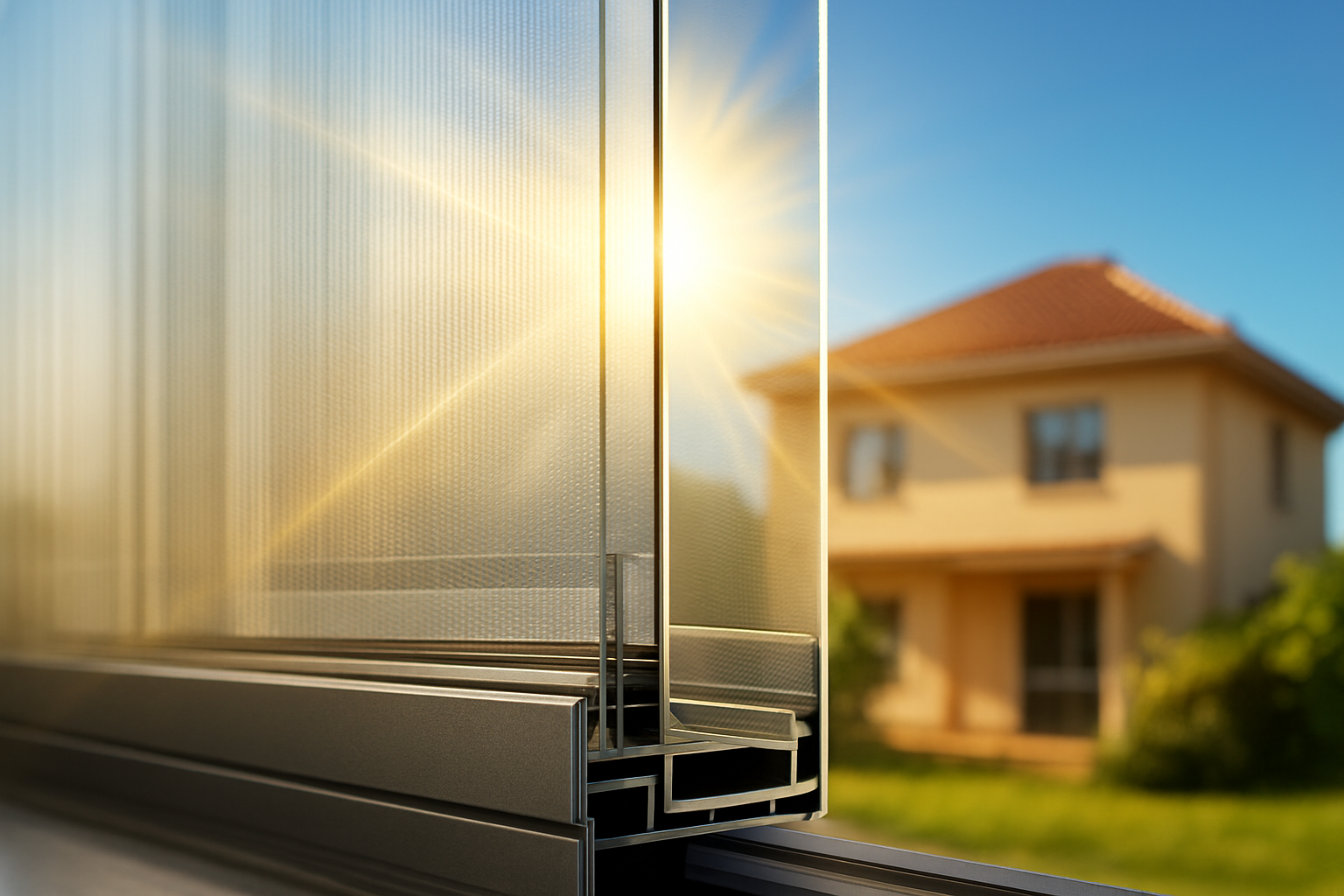
Solar control window film is a thin, multi-layered material that gets applied directly to glass surfaces to block harmful solar radiation while maintaining visibility. Think of it as invisible armor for your windows that works around the clock to keep your home cooler.
The technology operates through several mechanisms working together. The film’s metallic particles and ceramic compounds reflect infrared radiation – the heat-carrying portion of sunlight – back outside before it enters your home. Meanwhile, special dyes and pigments absorb specific wavelengths of light energy and safely dissipate them. This dual-action approach can reject up to 80% of solar heat while allowing natural light to pass through.
The film’s construction typically includes an adhesive layer, a polyester base, metallized or ceramic layers for heat rejection, and a protective scratch-resistant coating. Modern films use nano-ceramic technology that provides superior heat rejection without interfering with electronic signals from mobile phones or GPS devices.
When sunlight hits treated windows, the film creates a barrier that prevents the greenhouse effect common in untreated spaces. Your air conditioning system doesn’t have to work as hard to maintain comfortable temperatures, leading to immediate energy savings that show up on your next electricity bill.
Types of solar control films available in Nigeria
Nigeria’s market offers several categories of solar control films, each designed for specific needs and budgets. Dyed films represent the most affordable option, using colored dyes to absorb solar energy. While budget-friendly, they typically provide moderate heat rejection and may fade over time under Nigeria’s intense sun.
Metallized films incorporate thin layers of aluminum or other metals that reflect heat away from windows. These films offer excellent heat rejection and durability but can interfere with mobile phone signals and radio reception inside buildings.
Ceramic films use advanced nano-ceramic technology to achieve superior heat rejection without metal content. They won’t fade, don’t interfere with electronics, and provide the best long-term performance for Nigeria’s harsh climate conditions.
Spectrally selective films represent the premium category, engineered to reject infrared heat while allowing maximum visible light transmission. These films are perfect for homeowners who want energy savings without darkening their living spaces.
Security films combine solar control properties with safety features, holding glass fragments together if windows break. This dual functionality appeals to Nigerian homeowners concerned about both energy costs and security.
Local distributors typically stock films from international brands like 3M, LLumar, and SolarGard, with varying warranties and performance specifications suited to different applications and budgets.
Key performance metrics that matter for energy savings
Total Solar Energy Rejected (TSER) stands as the most critical metric for Nigerian homeowners. This percentage indicates how much of the sun’s total energy the film blocks from entering your home. Quality films achieve TSER values between 50-80%, with higher numbers delivering greater energy savings.
Visible Light Transmission (VLT) measures how much natural light passes through the treated window. Nigerian homes benefit from films with VLT ratings between 35-70%, balancing energy efficiency with adequate indoor lighting to reduce dependence on artificial lighting during daytime.
UV Rejection capabilities protect your family and furnishings from harmful ultraviolet radiation. Top-performing films block over 99% of UV rays, preventing furniture fading and reducing skin cancer risks from prolonged indoor sun exposure.
Infrared Rejection specifically targets heat-carrying wavelengths responsible for uncomfortable indoor temperatures. Films with 80%+ infrared rejection deliver the most dramatic cooling effects and energy savings in Nigeria’s tropical climate.
Solar Heat Gain Coefficient (SHGC) represents the fraction of solar radiation that becomes heat inside your home. Lower SHGC values (0.20-0.40) indicate better heat rejection performance and greater potential for air conditioning savings.
Emissivity measures the film’s ability to re-radiate absorbed heat back outside rather than releasing it indoors. Low-emissivity films (below 0.15) provide superior heat management for maximum energy efficiency in hot climates like Nigeria’s.
Nigeria’s Climate Challenges and Energy Costs

Extreme heat and solar radiation impact on homes
Nigeria’s tropical climate brings year-round intense heat that turns homes into virtual ovens. The sun blazes overhead most days, with temperatures often soaring above 35°C (95°F) in many regions. This relentless heat doesn’t just make people uncomfortable – it transforms building materials into heat absorbers that radiate warmth long after sunset.
Windows become the biggest culprits in this heat invasion. Glass surfaces act like magnifying glasses, amplifying solar radiation and creating hotspots inside homes. The greenhouse effect kicks in when sunlight passes through windows, heating up furniture, floors, and interior surfaces that then release trapped heat throughout the day and night.
Concrete and metal roofing materials common in Nigerian construction absorb massive amounts of solar energy. These materials store heat during scorching afternoons and slowly release it indoors, creating an uncomfortable cycle where homes stay warm even when outdoor temperatures drop.
The UV radiation component of sunlight also wreaks havoc on interiors. Furniture fades, curtains deteriorate, and electronic equipment runs hotter than designed specifications. This constant bombardment forces homeowners to rely heavily on cooling systems just to maintain livable indoor conditions.
Rising electricity tariffs and unreliable power supply
Electricity costs in Nigeria have climbed dramatically over recent years, with tariff increases hitting residential consumers hard. The Nigerian Electricity Regulatory Commission has implemented multiple tariff adjustments, pushing average monthly electricity bills significantly higher for most households.
Power outages remain a daily reality across the country. The national grid frequently experiences disruptions, leaving homes without electricity for hours or even days. This unreliable supply forces many families to invest in backup generators, adding fuel costs and maintenance expenses to their energy budget.
The combination of higher tariffs and poor reliability creates a double burden. When power is available, it costs more than ever. When it’s not available, families must spend additional money on alternative energy sources like generators, solar systems, or rechargeable devices.
Distribution companies continue to struggle with infrastructure challenges, leading to voltage fluctuations that can damage appliances and reduce their efficiency. These issues compound energy costs as households replace damaged equipment and deal with reduced performance from cooling systems.
Air conditioning dependency driving up energy bills
Air conditioning has become essential rather than luxury in Nigerian homes. The intense heat makes it nearly impossible to maintain comfortable indoor temperatures without mechanical cooling, especially during peak daytime hours.
Central air systems and split units consume enormous amounts of electricity. A typical home air conditioning system can account for 60-70% of total electricity consumption during hot months. Running multiple units simultaneously pushes monthly bills to levels that strain household budgets.
The constant cycling of air conditioners to combat heat gain through windows creates additional strain on electrical systems. Units work harder and longer when fighting against solar heat streaming through glass surfaces, leading to higher energy consumption and faster wear on equipment.
Backup cooling solutions during power outages add another layer of expense. Generator-powered air conditioning burns fuel at alarming rates, with some households spending more on generator fuel than their regular electricity bills.
Regional climate variations across Nigeria
Northern Nigeria experiences extreme temperature variations, with scorching days exceeding 40°C (104°F) and relatively cool nights. States like Kano, Kaduna, and Maiduguri face intense dry heat that makes air conditioning essential for most of the year.
| Region | Average High Temp | Cooling Months | Main Challenge |
|---|---|---|---|
| Northern States | 38-42°C | 8-10 months | Extreme dry heat |
| Middle Belt | 32-36°C | 6-8 months | High humidity |
| Southern Coastal | 30-34°C | Year-round | Constant humidity |
The Middle Belt regions including Abuja, Jos, and parts of Niger State face moderate temperatures but high humidity levels that make air conditioning necessary for comfort. The combination of heat and moisture creates challenging conditions for natural cooling methods.
Southern coastal areas like Lagos, Port Harcourt, and Calabar deal with year-round warmth combined with high humidity. Ocean proximity moderates extreme temperatures but increases moisture levels, making mechanical cooling essential even during relatively cooler periods.
Each region’s unique climate patterns affect energy consumption differently, but all areas share the common challenge of managing indoor temperatures in the face of intense solar radiation and inadequate building design for tropical conditions.
Proven Energy Savings from Solar Control Films
Heat Reduction Percentages Achieved in Tropical Climates
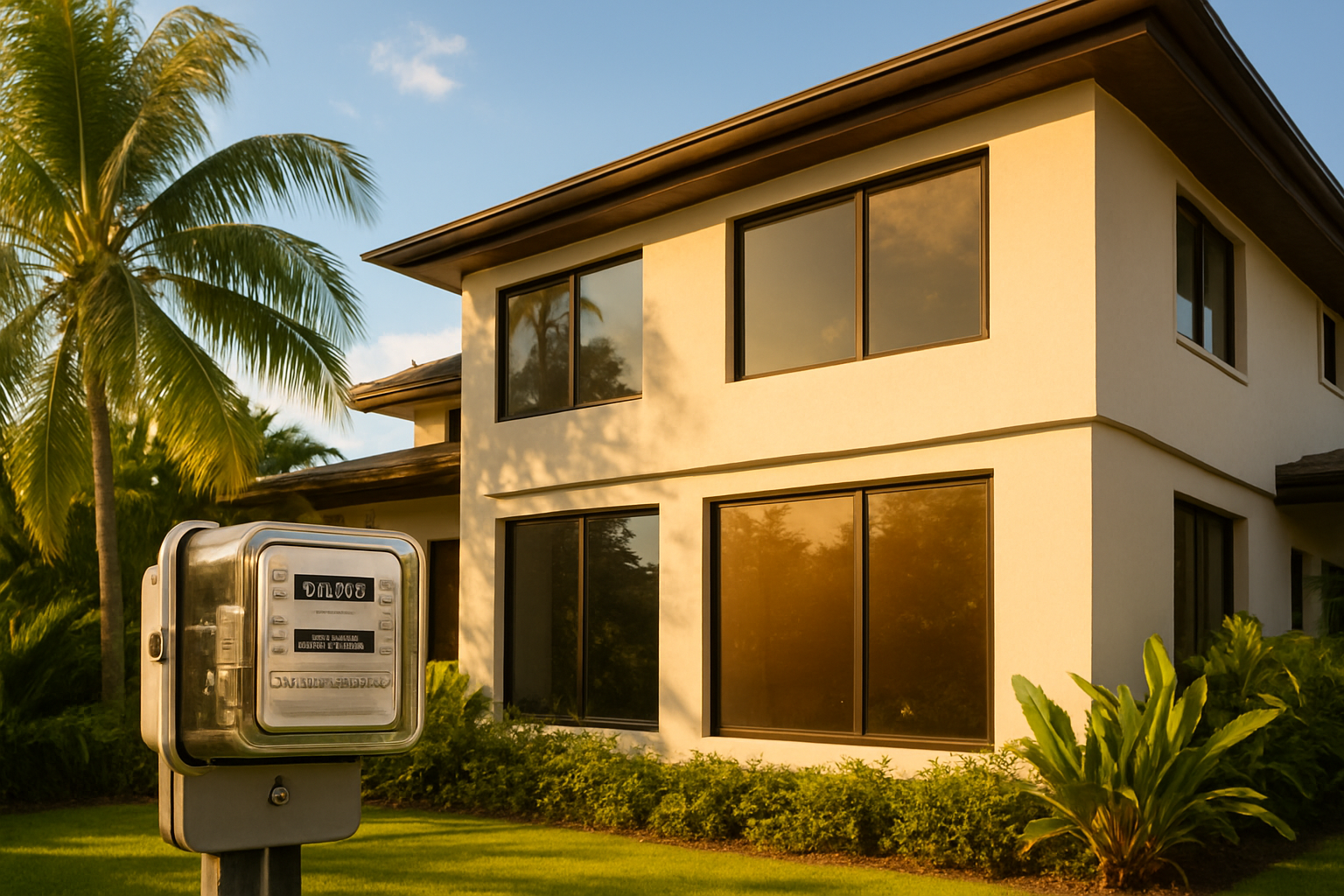
Solar control window films deliver impressive heat reduction in Nigeria’s intense tropical climate. Quality films typically block 50-80% of solar heat gain through windows, with premium options reaching up to 85% reduction. In Lagos and other southern regions where temperatures regularly exceed 32°C, these films can lower interior surface temperatures by 8-15°C.
The infrared rejection capability of advanced ceramic films proves particularly effective in Nigeria’s high-humidity environment. These films maintain their performance even during the peak dry season when solar radiation intensity reaches maximum levels. Testing conducted in Abuja showed that south-facing windows treated with high-performance films experienced temperature reductions of 12°C compared to untreated glass.
Air Conditioning Load Reduction and Cost Savings
The cooling load reduction from solar films translates directly into substantial electricity savings. Nigerian homes typically see 25-40% reduction in air conditioning energy consumption after film installation. A typical 3-bedroom home in Lagos spending ₦45,000 monthly on electricity can expect savings of ₦11,000-18,000 per month.
| Home Size | Monthly AC Costs (Before) | Expected Savings | Monthly Savings |
|---|---|---|---|
| 2-bedroom | ₦25,000 | 30% | ₦7,500 |
| 3-bedroom | ₦45,000 | 35% | ₦15,750 |
| 4-bedroom | ₦65,000 | 40% | ₦26,000 |
The reduced strain on AC systems also extends equipment lifespan by 2-3 years, preventing premature compressor failure common in Nigeria’s harsh climate conditions.
Year-Round Energy Consumption Improvements
Solar films provide consistent benefits across Nigeria’s distinct wet and dry seasons. During the dry season (November-March), films primarily reduce cooling costs by blocking intense solar radiation. The wet season brings different advantages as films help maintain stable indoor temperatures despite high humidity levels.
Commercial buildings in Abuja report 30-45% annual energy savings, while residential properties achieve 20-35% reductions. Even during cloudy periods, quality films continue blocking UV radiation and providing thermal insulation. The year-round performance means payback periods typically range from 18-30 months for residential installations.
Real-World Case Studies from Nigerian Installations
A luxury residential complex in Victoria Island documented remarkable results after installing ceramic films across 120 units. Average monthly electricity bills dropped from ₦85,000 to ₦55,000 per unit, representing 35% savings. Residents reported improved comfort levels and reduced AC cycling frequency.
Another success story comes from a corporate office building in Ikeja. After treating 2,400 square meters of glazing, the facility recorded:
- 42% reduction in peak cooling demand
- ₦2.8 million annual energy savings
- 15-month payback period
- Improved employee comfort ratings by 28%
A family home in Kaduna saw monthly electricity costs fall from ₦38,000 to ₦26,000 after installing films on east and west-facing windows. The homeowner noted that previously unusable afternoon rooms became comfortable living spaces.
Financial Benefits Beyond Energy Savings

Reduced HVAC Maintenance and Replacement Costs
HVAC systems in Nigerian homes work overtime trying to combat the intense heat that streams through untreated windows. When your air conditioning unit runs constantly, it doesn’t just drain your electricity bill – it wears down components faster than they’re designed to handle. Compressors burn out, filters need replacing more frequently, and cooling coils accumulate stress from overwork.
Solar control window film acts like a shield, blocking up to 80% of solar heat before it enters your home. This means your HVAC system can operate at normal capacity instead of maximum overdrive. The reduction in workload translates directly to fewer repair calls and extended equipment lifespan.
A typical air conditioning unit in Lagos might need major servicing every 8-10 months without window film protection. With solar film installed, that same system could easily run 12-15 months between major services. The math is simple: fewer service calls mean more money in your pocket.
Replacement costs tell an even more compelling story. Central air systems in Nigeria cost between ₦500,000 to ₦2,000,000 depending on capacity and brand. When these systems last 8-10 years instead of 5-7 years, you’re looking at significant savings. Window film essentially acts as insurance for your cooling equipment investment.
Furniture and Interior Protection from UV Damage
Nigeria’s position near the equator means UV radiation hits homes with particular intensity throughout the year. Those beautiful leather sofas, wooden dining sets, and colorful curtains face a constant battle against fading and deterioration. UV rays don’t just affect the surface – they break down materials at the molecular level.
Quality solar control films block 99% of harmful UV rays while still allowing natural light to illuminate your spaces. This protection extends the life of expensive furniture pieces significantly. That ₦200,000 leather living room set could maintain its rich color and supple texture for 10-12 years instead of showing obvious fading after 3-4 years.
Wooden furniture tells a similar story. Hardwood dining tables, cabinets, and entertainment centers can crack, warp, or lose their finish when exposed to direct sunlight streaming through unprotected windows. Solar film creates a barrier that preserves the wood’s natural oils and prevents the expansion-contraction cycles that cause warping.
Even artwork, photographs, and decorative items benefit from UV protection. Family photos displayed near windows won’t develop that telltale yellow tint, and paintings maintain their original vibrancy. The cumulative value of protecting all interior furnishings often exceeds the initial investment in window film within just a few years.
Increased Property Value and Marketability
Energy-efficient features have become major selling points in Nigeria’s real estate market, especially in urban areas where utility costs are a primary concern for buyers. Solar control window film represents a smart upgrade that appeals to environmentally conscious and cost-aware purchasers.
Real estate agents in cities like Abuja and Lagos report that homes with energy-saving features, including window film, sell faster and command higher prices. Buyers immediately recognize the value proposition: lower monthly energy bills from day one of ownership. This advantage becomes even more pronounced as electricity tariffs continue rising.
Window film installation typically costs between ₦15,000 to ₦40,000 per window, depending on size and film quality. However, property value increases often range from 3-5% for homes with comprehensive energy efficiency upgrades. On a ₦30,000,000 property, this translates to ₦900,000 to ₦1,500,000 in added value – far exceeding the initial film investment.
The marketing advantage extends beyond pure numbers. Homes with solar film can be positioned as “move-in ready” with immediate comfort and cost savings. Prospective buyers appreciate not having to invest in energy efficiency upgrades after purchase, making these properties more attractive in competitive markets.
Modern buyers also value the low-maintenance aspect of window film. Unlike other energy upgrades that require ongoing maintenance or eventual replacement, quality window film can last 15-20 years with minimal care, representing long-term value for new homeowners.
Installation Process and Cost Considerations
Professional installation requirements and timeline
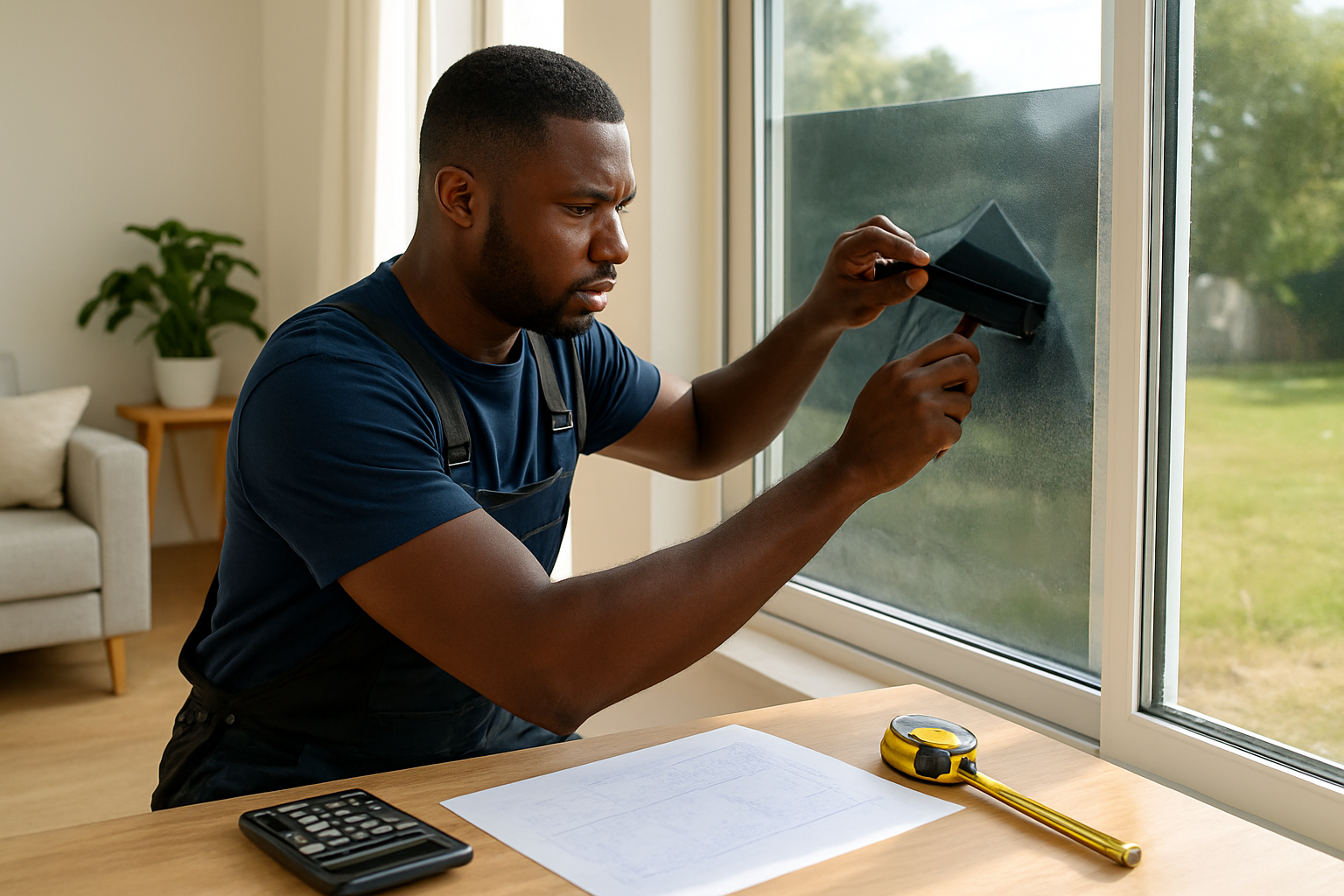
Solar control window film installation demands skilled technicians familiar with Nigerian building standards and climate conditions. Most reputable installers complete residential projects within 1-3 days, depending on the number of windows and complexity of the job. The process involves thorough surface preparation, precise cutting, and careful application to avoid bubbles or misalignment.
Professional installation guarantees proper adhesion and maximum performance in Nigeria’s intense heat and humidity. DIY installation often results in premature failure, voiding manufacturer warranties and reducing energy savings potential. Certified installers typically provide 5-10 year warranties on their workmanship, protecting your investment.
Upfront investment costs versus long-term savings
Nigerian homeowners can expect to pay ₦8,000-₦25,000 per square meter for quality solar control films, including professional installation. A typical 3-bedroom home with 40 square meters of window area costs ₦320,000-₦1,000,000 for complete installation.
| Film Type | Cost per sqm (₦) | Performance Level | Best For |
|---|---|---|---|
| Basic Tinted | 8,000-12,000 | Good heat reduction | Budget-conscious homes |
| Ceramic Films | 15,000-20,000 | Excellent heat/glare control | Premium residential |
| Spectrally Selective | 20,000-25,000 | Maximum energy efficiency | High-end properties |
While the upfront cost appears significant, monthly electricity savings of 30-50% quickly offset the initial investment. Lagos homes spending ₦50,000 monthly on cooling can save ₦15,000-₦25,000 per month after installation.
Payback period calculations for Nigerian households
Most Nigerian homes achieve complete payback within 2-4 years, depending on current energy costs and cooling requirements. Homes in hot regions like Kano or Port Harcourt see faster returns due to higher cooling demands.
Sample calculation for Lagos home:
- Monthly electricity bill: ₦60,000
- Post-installation savings (40%): ₦24,000/month
- Annual savings: ₦288,000
- Installation cost: ₦600,000
- Payback period: 2.1 years
Electricity tariff increases accelerate payback periods, making solar films increasingly attractive investments. Many families recover their costs within 18-24 months in high-consumption households.
Maintenance requirements and film longevity
Quality solar films require minimal maintenance beyond regular window cleaning with mild soap solutions. Avoid abrasive cleaners or squeegees that could scratch the film surface. Most premium films maintain 90% of their original performance for 10-15 years in Nigerian conditions.
Annual inspections help identify edge lifting or discoloration before major problems develop. Professional cleaning every 6 months maximizes optical clarity and heat rejection performance. Properly maintained films often exceed their warranty periods, providing decades of energy savings and comfort improvements.
Choosing the Right Solar Film for Nigerian Homes
Climate-Specific Film Recommendations
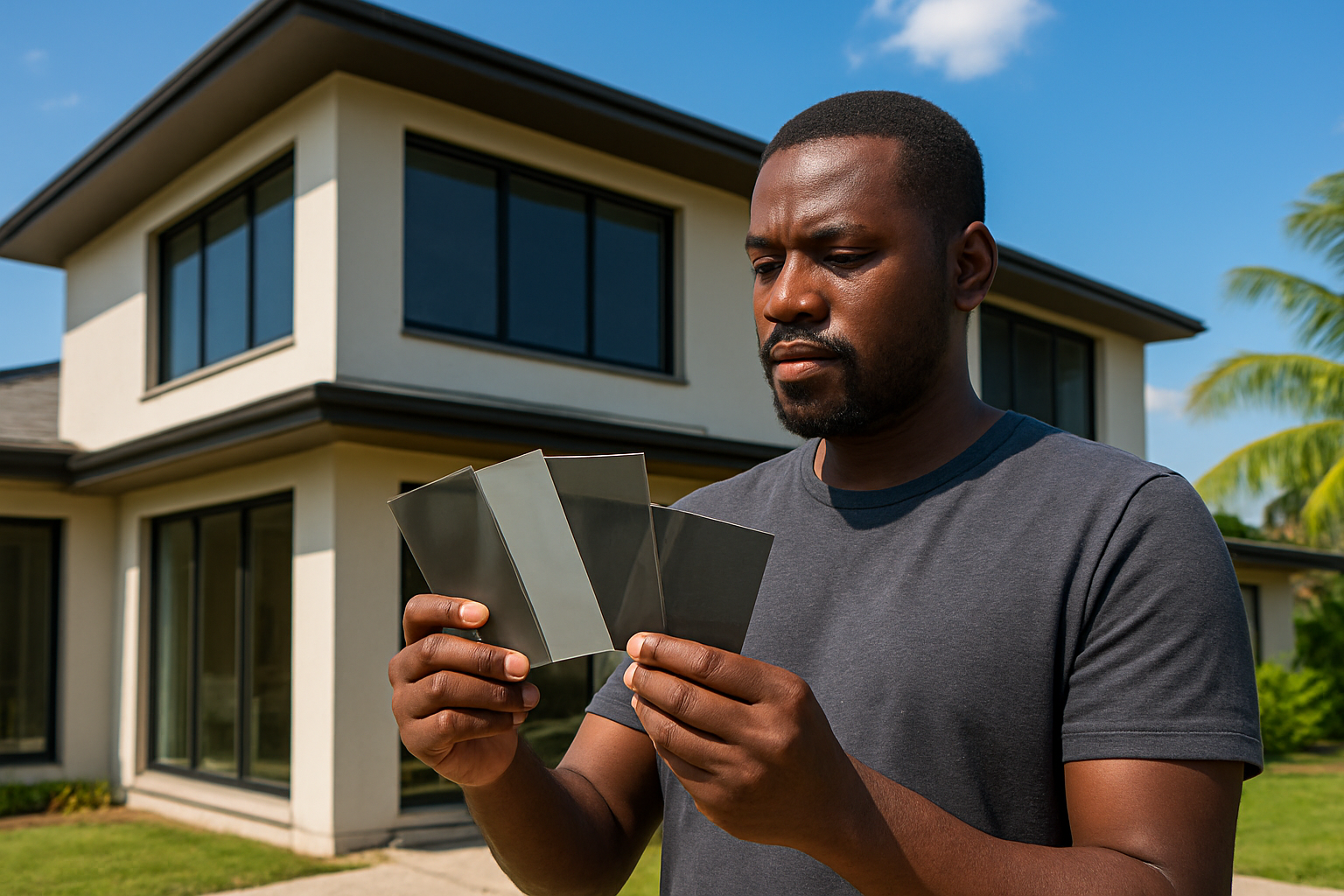
Nigeria’s tropical climate demands window films that excel in extreme heat and humidity. Ceramic films perform exceptionally well in this environment, offering superior heat rejection without compromising durability. These films contain non-metallic particles that block infrared radiation effectively while maintaining excellent clarity.
For coastal areas like Lagos and Port Harcourt, where salt air creates corrosive conditions, opt for films with enhanced scratch resistance and anti-corrosive properties. Dual-reflective films work particularly well in these regions, providing maximum cooling during intense afternoon sun while reducing glare from water bodies.
In northern regions experiencing the Harmattan season, films with UV protection become crucial. The combination of dust particles and intense solar radiation requires robust films that maintain performance despite harsh conditions. Spectrally selective films offer optimal protection by targeting specific wavelengths while preserving visible light transmission.
| Climate Zone | Recommended Film Type | Key Benefits |
|---|---|---|
| Lagos/Coastal | Dual-reflective ceramic | Corrosion resistance, maximum cooling |
| Abuja/Central | Spectrally selective | Balanced performance, year-round comfort |
| Kano/Northern | High UV protection | Dust resistance, Harmattan protection |
Window Type Compatibility and Performance Factors
Different window configurations across Nigerian homes require specific film considerations. Single-pane windows, common in older buildings, benefit most from thicker films with higher heat rejection rates. These windows typically lack modern insulation, making aggressive solar control essential for comfort.
Double-glazed windows found in newer constructions work best with lighter films. Heavy tinting can create thermal stress between glass panes, potentially causing seal failure or glass breakage. Low-E films complement existing insulation properties without overwhelming the system.
Aluminum-framed windows, prevalent in Nigerian construction, conduct heat significantly. Films with edge-sealing properties help minimize heat transfer through frame contact. Steel casement windows require films that accommodate thermal expansion without bubbling or peeling.
Large sliding glass doors and floor-to-ceiling windows create substantial heat gain. These applications need high-performance films with SHGC (Solar Heat Gain Coefficient) ratings below 0.3 to maintain comfortable indoor temperatures without overworking air conditioning systems.
Critical Compatibility Factors:
- Glass thickness and type
- Frame material and expansion rates
- Existing window treatments
- Structural thermal movement
- Ventilation patterns around windows
Balancing Heat Rejection with Natural Light Preservation
Finding the sweet spot between cooling and illumination requires careful consideration of Visible Light Transmission (VLT) ratings. Films with 50-70% VLT maintain bright interiors while providing substantial heat reduction. This range works well for living areas and kitchens where natural light enhances functionality.
Bedrooms and media rooms can accommodate darker films (30-50% VLT) for enhanced privacy and glare control. These spaces often require less natural light while benefiting from maximum heat rejection for sleeping comfort and equipment protection.
Office spaces and study areas need films that reduce glare without creating dim environments. Neutral-colored films with 60-80% VLT eliminate computer screen reflection while maintaining productive lighting levels. Anti-reflective coatings further enhance visual comfort for detailed work.
Optimal VLT Ranges by Room:
- Living areas: 60-70% (bright and comfortable)
- Bedrooms: 30-50% (privacy with cooling)
- Kitchens: 65-75% (task lighting preservation)
- Bathrooms: 40-60% (privacy with adequate light)
- Home offices: 70-80% (glare reduction only)
Color selection impacts both aesthetics and performance. Neutral grays and bronzes complement Nigerian architectural styles while providing excellent heat control. Blue-tinted films offer modern appeal but may affect color perception of interior furnishings. Silver films maximize reflectivity but can appear stark against traditional building materials.

Nigerian homeowners face skyrocketing energy bills and intense heat that makes air conditioning a necessity rather than a luxury. Solar control window film offers a practical solution that tackles both problems at once. By blocking up to 80% of solar heat before it enters your home, these films can cut your cooling costs by 20-40% while maintaining natural light and visibility. The technology pays for itself within 2-3 years and continues saving money for decades.
The choice is clear: you can keep paying increasingly expensive electricity bills while your AC works overtime, or you can invest in a one-time solution that delivers immediate comfort and long-term savings. Start by getting quotes from reputable installers who understand Nigeria’s specific climate needs. Your wallet and your family’s comfort will thank you for making the switch to solar control window film.