
Getting commercial window film installed correctly can make the difference between years of energy savings and costly do-overs. This comprehensive checklist is designed for office managers, facility directors, and business owners who want to maximize their window film investment while avoiding common installation pitfalls.
Office environments present unique challenges – from managing employee comfort and productivity to maintaining professional aesthetics while controlling energy costs. The right window film installation can address these concerns, but success depends on proper planning and execution.
We’ll cover how to assess your specific office space requirements and choose the right film type for your business goals. You’ll also learn the key factors in deciding between professional installation and DIY approaches, plus essential preparation steps that ensure your installation goes smoothly and delivers lasting results.
Assess Your Office Space Requirements and Climate Considerations

Evaluate high-risk windows and sun exposure areas
Prioritizing south and west-facing windows is essential for your commercial window film installation, as these areas experience the highest sun exposure throughout the day. These windows typically bear the brunt of intense solar heat gain, making them prime candidates for protective film applications. Additionally, you must recognize areas susceptible to security breaches, particularly if your office is located in bustling neighborhoods with ample nightlife, and prioritize protection for these windows accordingly.
During your assessment, examine windows for existing damage and overall glass integrity, especially in areas affected by high winds and occasional storms. This evaluation helps ensure that your window film will adhere properly and perform optimally over time. Damaged glass may require repair or replacement before film installation to achieve the best results.
Identify specific goals for energy savings, security, or privacy
Determine your primary objectives for the window film installation, whether focused on privacy enhancement, energy savings, glare reduction, or enhanced security. Each objective may require a different film type, so clearly defining your goals upfront will guide your selection process effectively. Energy savings goals might lead you toward heat-reducing films, while security concerns would point toward safety or security films designed to strengthen glass surfaces.
Consider local climate impact on film performance
Local climate conditions significantly influence window film performance and selection. In high-temperature environments like Dallas, heat-reducing window films become essential investments, capable of blocking up to 70% of heat gain and substantially lowering cooling costs. Films that reduce glare prove particularly beneficial for minimizing eye strain in office settings where employees work on computers for extended periods.
The performance of window films varies based on regional climate characteristics, with some locations providing more favorable conditions for optimal film functionality than others.
Analyze current energy consumption patterns
Thoroughly analyze your current energy consumption patterns to establish a baseline for calculating potential energy savings from window film installation. This analysis provides crucial data for determining the return on investment and helps justify the installation costs to stakeholders. Review utility bills from previous months to identify trends in cooling and heating expenses that could be reduced through strategic window film application.
Choose the Right Window Film Type for Your Business Needs
Compare solar films for heat and glare reduction
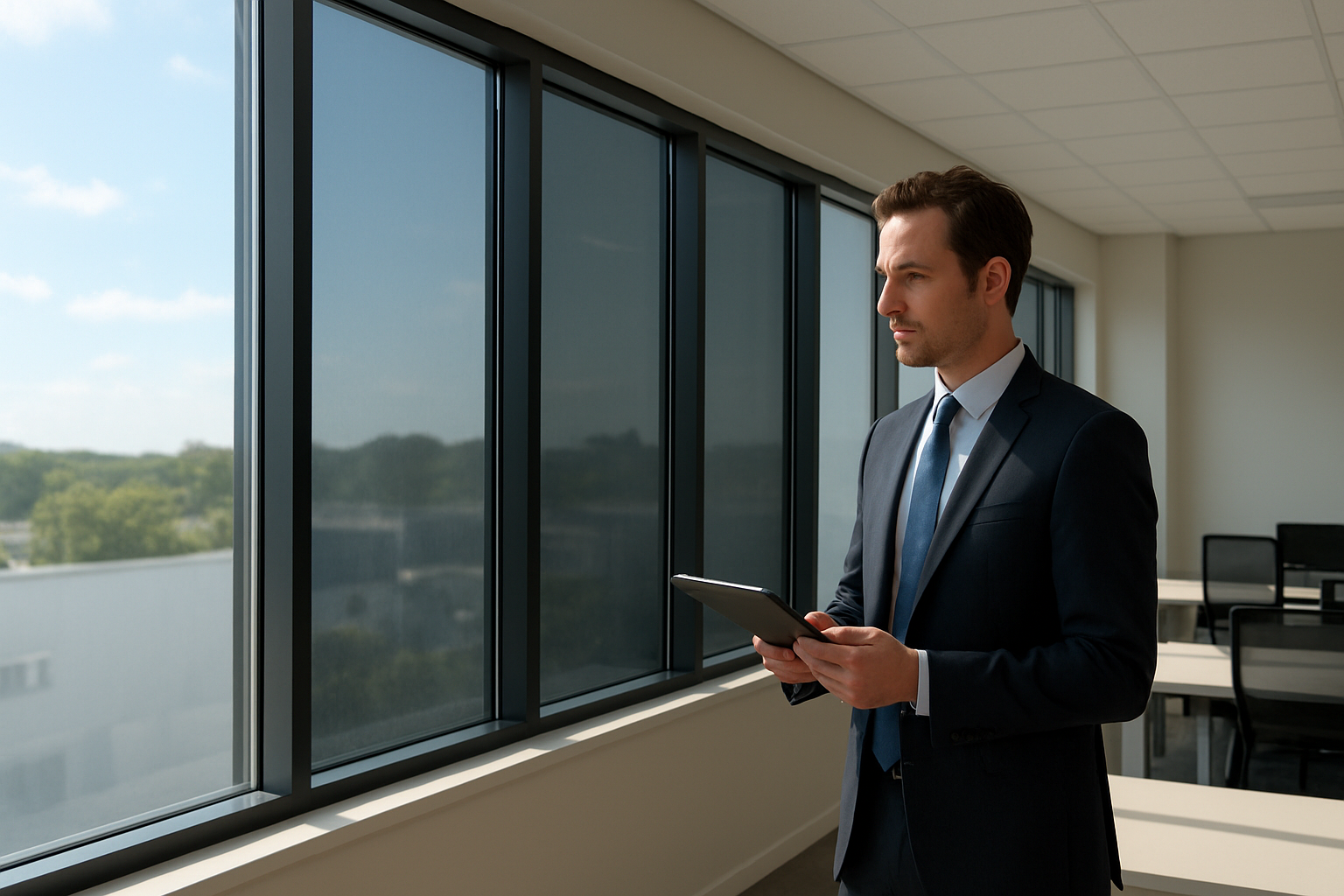
Solar films represent a practical solution for offices experiencing excessive heat buildup and uncomfortable glare from direct sunlight. These specialized films focus specifically on reducing heat penetration through windows while simultaneously minimizing glare that can cause eye strain for employees working near windows. By installing solar films, businesses can achieve significant reductions in cooling costs as the films prevent unwanted solar heat from entering the workspace. The glare reduction properties create a more comfortable working environment, allowing employees to view computer screens and documents without the distraction of harsh sunlight streaming through windows.
Evaluate security films for break-in protection
Security films provide an essential layer of protection against various threats including break-ins, vandalism, and natural disasters. These safety films significantly enhance window shatter resistance, with advanced technology options like 3M increasing shatter resistance by up to 50%. For offices requiring different levels of protection, security films come in multiple variants including shatter-resistant, impact-resistant, and ballistic films. Each type offers progressively higher levels of protection, allowing businesses to select the appropriate security level based on their specific risk assessment and location requirements.
Consider decorative films for aesthetic enhancement
Decorative and frosted films serve dual purposes by enhancing the aesthetic appeal of office spaces while complementing existing visual styles and branding elements. These films can be customized to align with corporate design schemes and create a cohesive professional appearance. Tinted options within the decorative film category provide additional benefits by improving indoor privacy while maintaining the aesthetic enhancement. This combination allows offices to create visually appealing spaces that also offer functional benefits for employee comfort and confidentiality.
Select UV protection films to prevent interior fading
UV protection films serve as a crucial defense against sun damage, effectively preventing discoloration and fading of interior furnishings, carpets, and equipment. Many window films incorporate UV protection capabilities alongside other features, making them particularly valuable for reducing both glare and fading simultaneously. This dual functionality proves especially beneficial for offices located in intense sunny climates where UV exposure poses a constant threat to interior materials. By selecting films with comprehensive UV protection, businesses can preserve their interior investments while maintaining a professional appearance over time.
Decide Between Professional Installation and DIY Approach
Weigh Cost Savings Against Installation Quality Risks
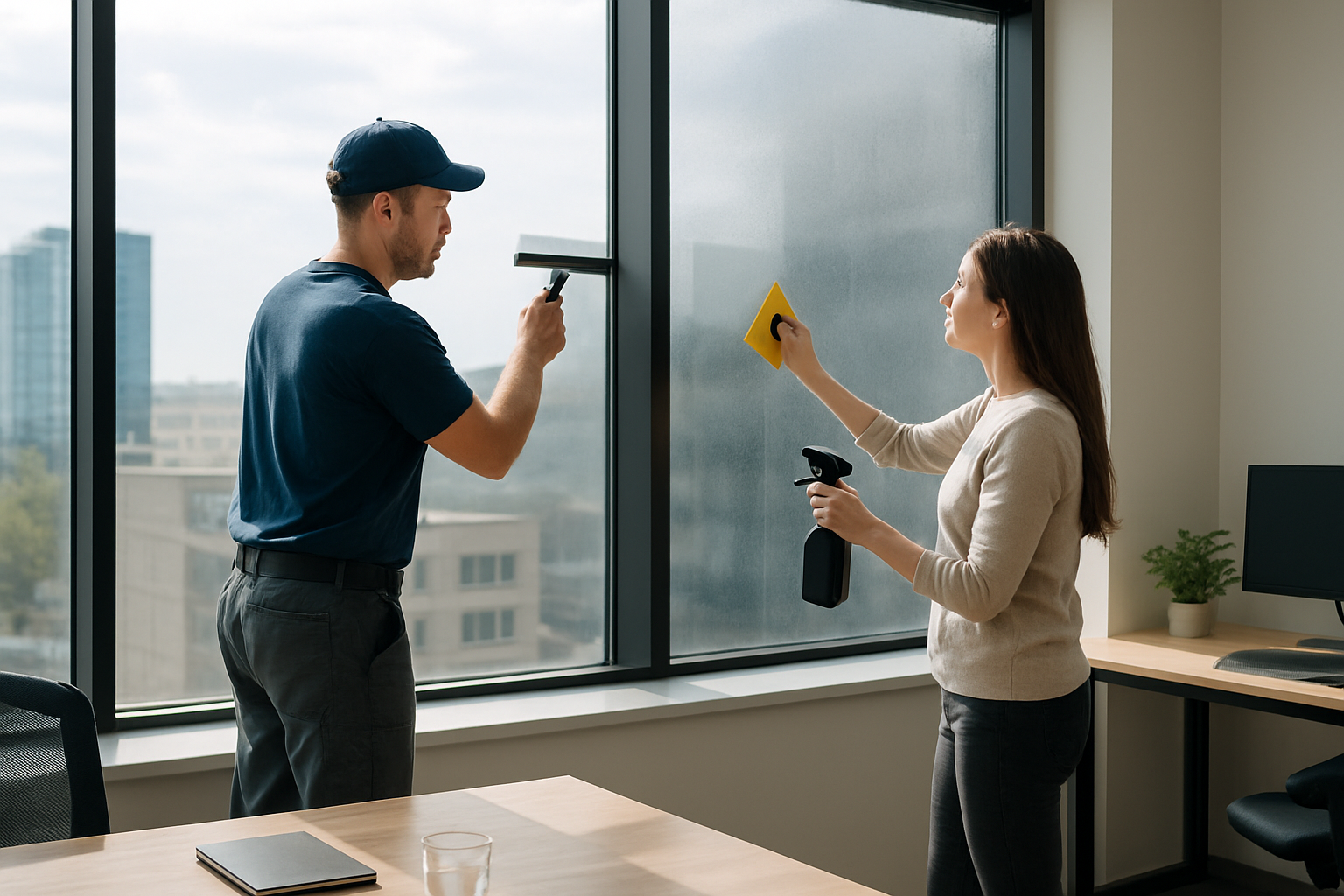
DIY installation may appear attractive from a financial standpoint, offering immediate cost savings by eliminating professional labor fees. However, this approach carries substantial quality risks that can compromise the effectiveness of your window film investment. Common DIY mistakes include air bubbles formation, improper cuts, and adhesion failures that lead to peeling over time. These issues not only diminish the aesthetic appeal of your office windows but also reduce the film’s performance in terms of energy efficiency, glare reduction, and UV protection.
Professional installers bring specialized tools, techniques, and experience that ensure proper adhesion and flawless application. Their expertise minimizes the risk of installation defects that could require costly corrections or complete reinstallation. When evaluating this trade-off, consider that poor installation quality can negate the energy-saving benefits you’re seeking to achieve.
Consider Warranty Coverage and Professional Guarantees
Professional installation services typically include comprehensive warranties on their workmanship, providing valuable protection against future issues. This warranty coverage ensures that if problems arise due to installation errors, you have recourse for repairs or replacement without additional costs. Moreover, professional installers understand how to properly utilize and maintain the manufacturer’s film warranty, ensuring you receive full protection for your investment.
DIY installations often void manufacturer warranties or limit coverage, leaving you responsible for any defects or performance issues. Professional guarantees offer peace of mind and demonstrate the installer’s confidence in their work quality.
Evaluate Complexity of Your Specific Installation Requirements
The complexity of your office installation plays a crucial role in determining the most appropriate approach. Large-scale commercial installations involving numerous windows or particularly high windows present significant challenges that favor professional installation. These complex scenarios require specialized equipment, safety protocols, and coordination skills that most DIY enthusiasts lack.
Professional installers possess the necessary equipment to safely reach high windows and efficiently manage large projects while maintaining consistent quality across all installations. They also understand how to work around existing office operations to minimize disruption to your business activities.
Factor in Potential Long-Term Savings from Proper Installation
While professional installation requires higher upfront investment, skilled installation experts often deliver long-term savings that offset the initial costs. Proper installation ensures maximum durability and performance, reducing waste from failed installations and avoiding future replacement expenses. A professionally installed window film system typically lasts longer and performs better throughout its lifespan, maximizing your energy savings and return on investment.
The cost of correcting DIY mistakes or replacing poorly installed film can quickly exceed the savings from avoiding professional installation, making expert installation a financially sound decision for most commercial applications.
Prepare Your Office Space for Installation Success

Inspect and repair window frames and sealants
Before proceeding with window film installation, conducting a thorough inspection of your window frames and sealants is essential for ensuring optimal adhesion and long-term performance. Check the condition of all window frames carefully, looking for any signs of damage such as cracks, gaps, or deterioration that might interfere with proper film adhesion. These imperfections can create air pockets or uneven surfaces that compromise the film’s ability to bond correctly with the glass surface.
Clean all windows thoroughly to ensure correct film binding, removing any dirt, debris, or residue that could prevent proper adhesion. Pay special attention to the corners and edges where the film will make contact with the frame. If you discover old or damaged frames during your inspection, consider replacing them with suitable sealant to create a smooth, clean surface that will support the window film installation process effectively.
Schedule installation during minimal business disruption
Now that we have covered the importance of proper window inspection, timing your installation strategically becomes crucial for maintaining business continuity. Schedule the window film installation during periods of low business activity, such as off-hours, weekends, or planned office closures to minimally disrupt your daily operations and employee productivity.
Inform all employees about the installation process well in advance, providing clear communication about expected timelines and any temporary changes they might experience. Plan for temporary operational impacts that may occur during installation, such as lighting changes that could affect workspace visibility or accessibility to certain areas of the office. This proactive approach helps maintain workflow efficiency while ensuring the installation team has the necessary time and space to complete their work professionally.
Clear workspace areas around windows for easy access
With proper scheduling in place, the next critical step involves preparing your physical workspace for the installation team. Clear all workspaces around windows to provide easy access for the installers, removing furniture, equipment, and personal items that might obstruct their work or become damaged during the process.
Temporarily relocate essential office resources if safety precautions are advised, ensuring that important documents, electronics, and valuable equipment are moved to secure locations away from the installation areas. This preparation not only protects your business assets but also allows the installation team to work efficiently without navigating around obstacles or worrying about accidentally damaging office property.
Gather necessary tools and create dust-free environment
Previously, we’ve addressed the physical preparation of your space, but creating the right environmental conditions is equally important for installation success. Gather all necessary tools that the installation process requires, including a squeegee for smoothing the film, a sharp utility knife for precise cutting, appropriate cleaning solutions for final surface preparation, and precision tools for detailed work around window edges and corners.
Ensure a clean and dust-free environment throughout the installation areas to promote proper adhesion and achieve a high-quality finish. Dust particles can become trapped under the film during application, creating unsightly bubbles or imperfections that may require costly repairs or reinstallation. Consider using air filtration systems or temporarily sealing off nearby construction or renovation work that might generate airborne particles during the installation window.
Ensure Quality Film Selection and Warranty Protection

Research Manufacturer Reputation and Product Durability
When selecting commercial window film for your office installation, prioritizing manufacturers with established reputations is crucial for long-term success. Research manufacturers known for quality and durability, such as Llumar and 3M, which have proven track records in the industry. These reputable companies ensure high-quality films that provide superior protection and promise durability with UV blocking capabilities for many years.
The investment in premium manufacturer brands translates directly to enhanced performance and longevity. Quality manufacturers utilize advanced adhesive technologies and superior film materials that maintain their protective properties over extended periods. Their UV blocking capabilities remain effective for many years, ensuring consistent energy savings and interior protection throughout the film’s lifespan.
Verify Scratch Resistance and Maintenance Requirements
Selecting films with robust protective features is essential for commercial environments where windows face daily exposure to cleaning and environmental factors. Ensure films offer features like scratch resistance and ease of maintenance, which are particularly important in high-traffic office settings where frequent cleaning is necessary.
Understanding the maintenance requirements upfront prevents future complications and ensures optimal film performance. Quality films should come with clear recommended cleaning practices that maintain the film’s integrity while preserving its protective capabilities. These guidelines typically include specific cleaning solutions and techniques that prevent damage while maintaining the film’s appearance and functionality.
Confirm Comprehensive Warranty Coverage Terms
Thorough warranty evaluation protects your commercial investment and provides peace of mind for years to come. Confirm comprehensive warranty coverage, inquiring about the scope for issues like peeling, bubbling, or color fading. These common concerns can significantly impact both the aesthetic appeal and functional performance of your window film installation.
A comprehensive warranty should clearly outline coverage duration, specific conditions covered, and the manufacturer’s responsibilities for addressing defects. Understanding these terms before installation ensures you’re protected against potential issues that could arise during the film’s service life.
Understand Post-Installation Support Services Available
Long-term success with commercial window film depends heavily on available support services beyond the initial installation. Understand post-installation support, including maintenance services covered under warranty and terms for repair and replacement, ensuring long-term viability of your investment.
Quality manufacturers and installers provide ongoing support that includes guidance on proper maintenance procedures, troubleshooting assistance, and clear protocols for addressing warranty claims. This support structure becomes invaluable when maintenance questions arise or when warranty service is needed. Establishing these support channels before installation ensures seamless resolution of any future concerns while maintaining the film’s performance standards.
Calculate Energy Savings and Return on Investment

Estimate potential reduction in heating and cooling costs
Commercial window film installation offers substantial financial benefits through reduced energy expenses. By blocking up to 70% of heat gain during warmer months and reducing heat loss in colder seasons, window films create a significant impact on your office’s heating and cooling costs. This thermal regulation means your HVAC system operates more efficiently, requiring less energy to maintain comfortable indoor temperatures throughout the year.
The reduction in energy consumption directly translates to lower utility bills, making window film installation a strategic investment for cost-conscious businesses. The blocking of heat gain prevents excessive solar radiation from entering your workspace, reducing the burden on air conditioning systems during peak summer months. Similarly, the insulating properties help retain heated air during winter, minimizing the workload on heating systems.
Analyze energy efficiency improvements up to 30%
Professional-grade window films can reduce overall energy costs by up to 30%, representing significant energy efficiency improvements that have been documented in reports by 3M. This substantial reduction in energy consumption makes window film installation one of the most effective building upgrades for immediate cost savings.
To accurately assess your potential savings, conduct energy audits before and after installation. These audits provide concrete data on your current energy usage patterns and help establish baseline measurements for calculating future savings. The 30% improvement in energy efficiency not only reduces operational costs but also contributes to your organization’s sustainability goals and environmental responsibility initiatives.
Consider property value enhancement benefits
Window film installation serves as a valuable investment that enhances your property’s overall value and market appeal. This improvement becomes particularly important when attracting potential clients, tenants, or future occupants who increasingly prioritize energy-efficient buildings and sustainable workplace environments.
The enhanced property value stems from the long-term energy savings, improved comfort levels, and modern appearance that quality window films provide. Potential buyers or lessees recognize these benefits as valuable assets that reduce their future operational costs and contribute to a more professional, well-maintained workspace environment.
Factor in reduced furniture and interior protection costs
UV protection films offer significant cost savings by preventing discoloration and fading of office interiors, furniture, flooring, and equipment. Without proper UV protection, valuable office furnishings, artwork, carpeting, and equipment can suffer costly damage from prolonged sun exposure, requiring premature replacement or expensive restoration.
The protective benefits extend beyond furniture to include safeguarding important documents, reducing glare on computer screens, and maintaining the professional appearance of your workspace. These protection benefits eliminate or significantly reduce costs associated with interior protection measures and premature replacement of office assets, creating additional long-term savings that complement the direct energy cost reductions.
Comply with Local Building Codes and Regulations
Research Municipal Building Code Requirements
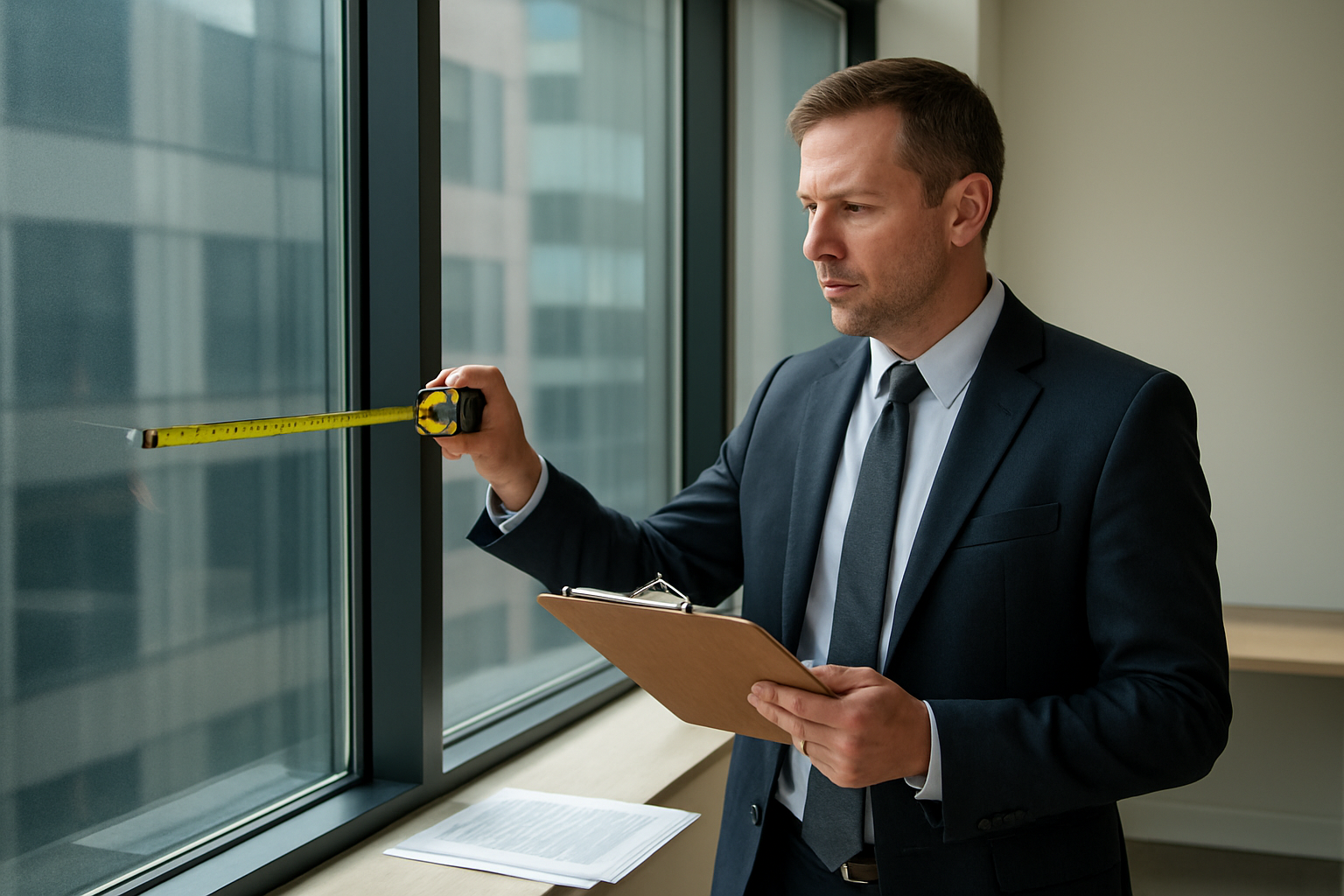
Commercial window film installation must adhere to strict local building codes and safety standards. This compliance is non-negotiable and requires thorough consultation with building code experts who understand the specific regulations governing your municipality. These experts can provide crucial insights into energy efficiency mandates that may apply to your commercial property, ensuring your window film installation meets all required performance standards.
Building codes vary significantly between municipalities, making it essential to conduct comprehensive research specific to your location. Energy efficiency mandates are becoming increasingly common, and your window film selection must align with these requirements to avoid costly compliance issues down the road.
Understand Historic District Restrictions if Applicable
Commercial buildings located in historic districts face additional layers of regulation that can significantly impact window film installation choices. These properties often have stringent requirements and restrictions designed to preserve the architectural integrity and historical character of the area.
Historic district regulations may dictate specific types of window films, color restrictions, or even prohibit certain installations altogether. The approval process in these areas typically involves additional review boards and extended timelines, making early research and planning crucial for project success.
Review Insurance Policy Implications and Potential Benefits
Your business insurance policy requires careful review when planning window film installation, as these enhancements can have significant implications for coverage and premiums. Window films often provide enhanced protection measures that insurance companies recognize as risk reduction factors.
The improved security, UV protection, and energy efficiency provided by quality window films can positively impact your insurance premiums. Many insurers offer reduced rates for properties with enhanced protection measures, as these installations demonstrate lower risks for weather damage, break-ins, and energy-related claims. Contact your insurance provider to understand how window film installation might affect your policy terms and potential savings opportunities.
Maintain Proper Documentation for Compliance Records
Maintaining detailed records and documentation following installation is critical for ongoing compliance requirements. These records serve as proof of adherence to building codes and can be essential during inspections, insurance claims, or property transfers.
Your documentation should include permits, installation certificates, material specifications, warranty information, and any inspection reports. This comprehensive record-keeping ensures you can demonstrate compliance with all applicable regulations and protects your investment in the window film system.
Plan for Long-Term Maintenance and Care
Establish Routine Cleaning and Inspection Schedules
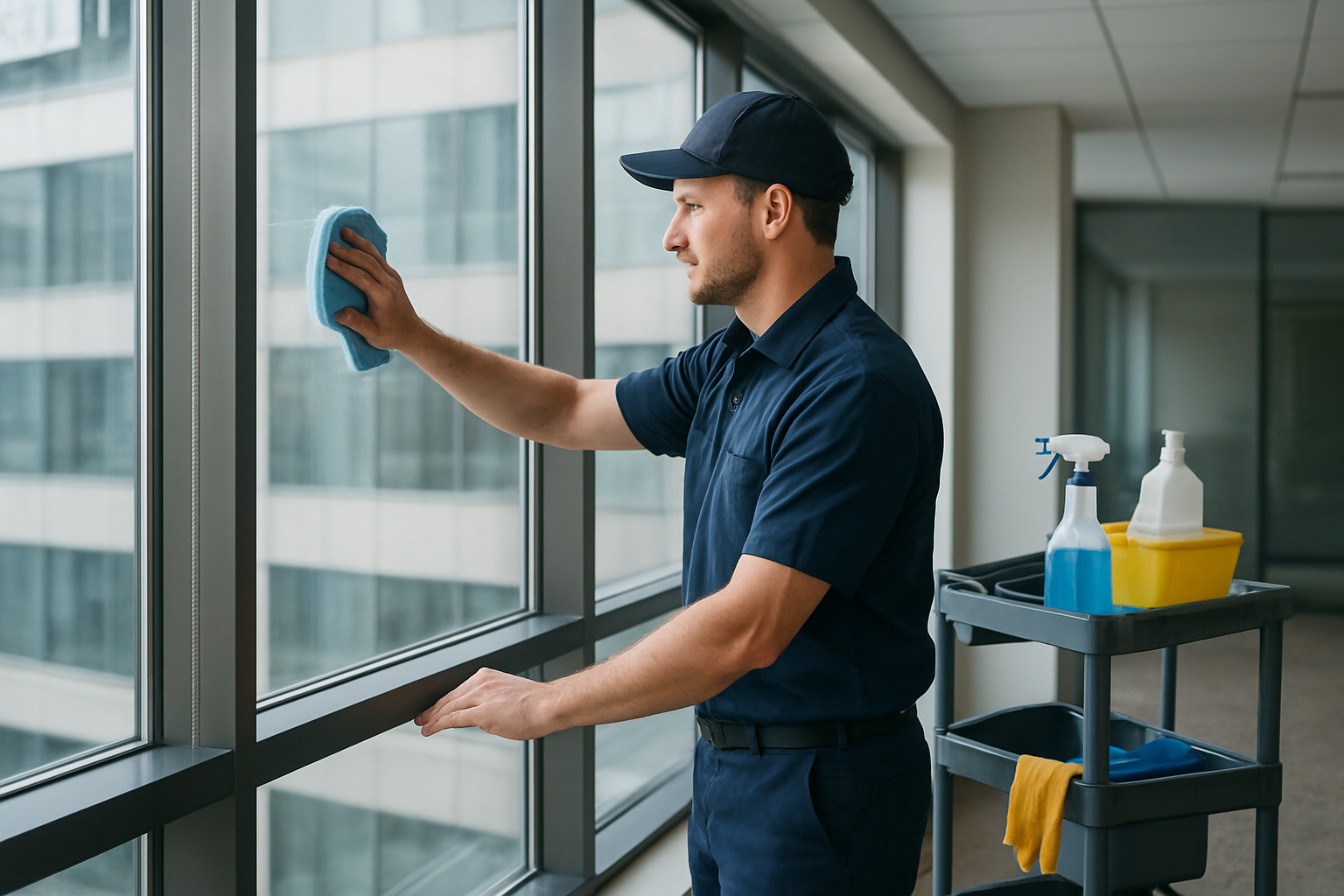
Implementing a comprehensive routine maintenance schedule is essential for preserving your commercial window film’s quality and performance over time. Regular inspections should be conducted monthly to catch potential issues early before they develop into costly problems. During these inspections, examine each filmed window for signs of wear, damage, or deterioration that could compromise the film’s effectiveness.
When cleaning your window film, always use mild cleaning solutions specifically designed for film surfaces. Harsh chemicals or abrasive cleaning products can damage the film’s protective coating and reduce its lifespan significantly. Avoid using abrasive tools such as steel wool, razor blades, or rough scrubbing pads, as these can scratch or tear the film surface. Instead, opt for soft microfiber cloths or squeegees with rubber blades to maintain optimal longevity.
Train Staff on Proper Film Care Techniques
Educating your staff on proper film care techniques is crucial for limiting damage and extending the film’s overall lifespan. Provide comprehensive training sessions that cover appropriate cleaning methods, acceptable cleaning products, and techniques to avoid during routine maintenance. Staff should understand which tools are safe to use and which could potentially cause irreversible damage to the film installation.
Ensure that cleaning personnel are aware of the specific requirements for window film maintenance, as these differ significantly from standard glass cleaning procedures. Regular refresher training sessions help maintain consistent care standards across your facility.
Monitor for Early Signs of Bubbling or Peeling
Regular monitoring for early signs of installation abnormalities is critical for maintaining your window film investment. Watch for bubbles forming under the film surface, which may indicate adhesive failure or moisture infiltration. Peeling edges or corners are often the first visible signs that the film may need attention or replacement.
Address these issues promptly when detected, as small problems can quickly escalate into larger, more expensive repairs. Early intervention often allows for localized repairs rather than complete film replacement, saving both time and money while maintaining the film’s protective benefits.
Integrate Maintenance into Broader Facility Management
Integrating window film maintenance into your broader facility management strategy ensures operational efficiency and long-term effectiveness. Coordinate film care with other building maintenance activities and upgrade projects to maximize resource utilization and minimize disruption to daily operations. This systematic approach helps maintain consistent standards across all building systems while ensuring that window film maintenance receives appropriate priority and attention within your overall facility management plan.

Successfully installing commercial window film requires careful planning and attention to detail across every step of the process. From assessing your office space requirements and climate considerations to selecting the right film type, each element in this checklist plays a crucial role in achieving optimal results. Whether you choose professional installation or tackle the project yourself, proper preparation, quality film selection, and compliance with local building codes will ensure your investment delivers maximum energy savings and long-term value.
The benefits of commercial window film extend far beyond initial installation, offering up to 30% reduction in energy costs, enhanced UV protection, and improved interior comfort. By following this comprehensive checklist and planning for ongoing maintenance, your office space will enjoy these advantages for years to come. Take the next step toward energy efficiency and enhanced comfort by consulting with professional installers who can provide expert guidance tailored to your specific business needs and local climate requirements.