
Commercial building heat systems directly impact your operational costs and employee comfort. Property managers, facility directors, and business owners face unique challenges when heating large spaces efficiently while controlling energy expenses.
This guide breaks down the key differences between commercial and industrial heating requirements, helping you understand which approach fits your specific building type. We’ll explore central heating systems that work best for most commercial buildings, including forced air, boiler, and heat pump options. You’ll also learn about non-centralized solutions like unit heaters and radiant systems that excel in warehouses, manufacturing facilities, and spaces with specialized heating zones.
Finally, we’ll cover the latest energy-efficient technologies and practical selection tips to maximize your heating investment while reducing long-term operational costs.
Understanding Commercial vs Industrial Heating Requirements
Key Differences in Air Quality and Ventilation Needs
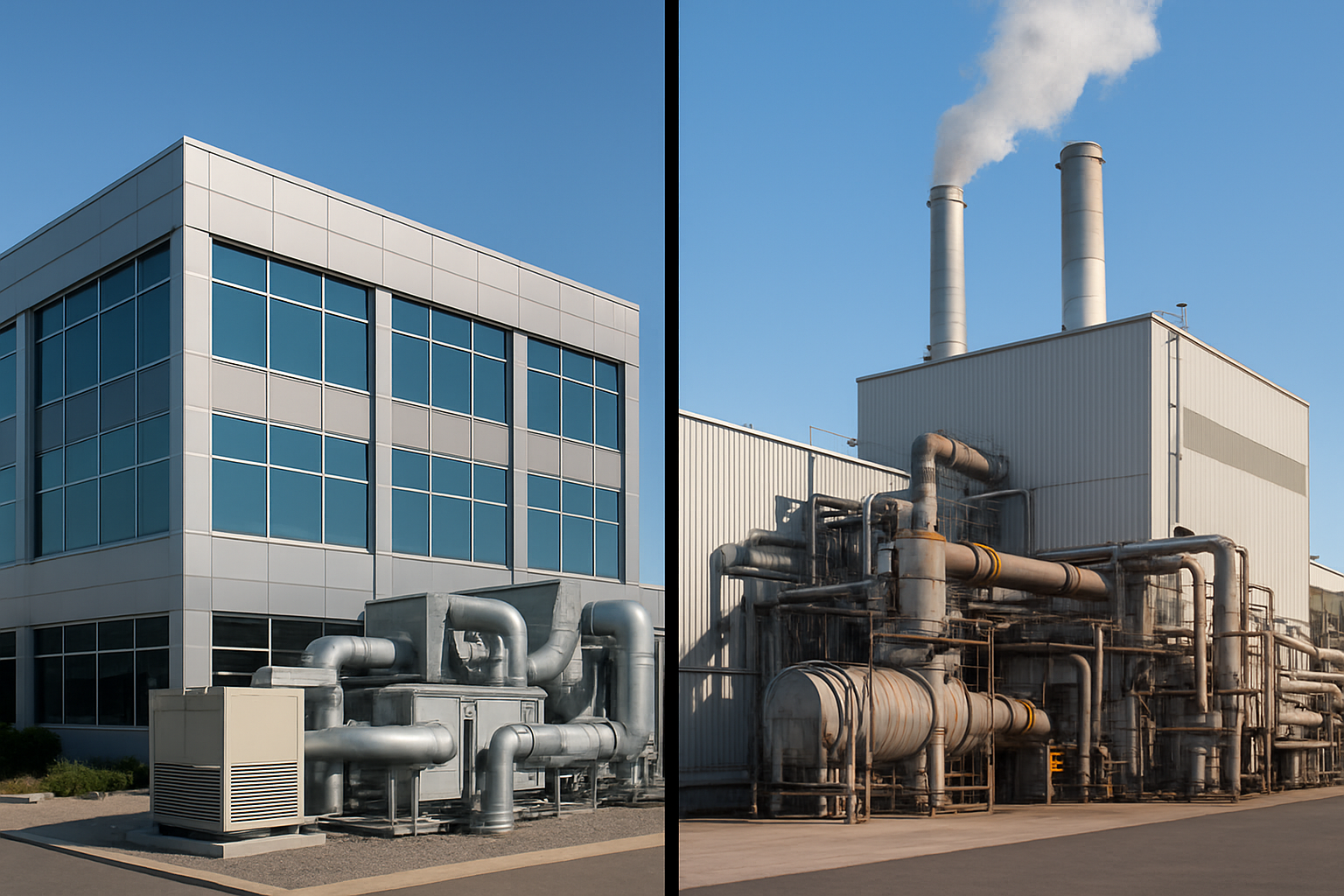
Commercial and industrial facilities have fundamentally different air quality and ventilation requirements that directly impact their heating system design. Industrial facilities, including factories, steel mills, assembly plants, and aerospace hangars, require significantly more fresh outside air since machinery, blast equipment, and aircraft can produce harmful byproducts. These environments demand robust ventilation systems capable of handling pollutants, fumes, and emissions that pose safety risks to workers and can interfere with manufacturing processes.
In contrast, commercial facilities such as indoor sports arenas, retail spaces, office buildings, and distribution centers typically focus on maintaining comfortable environments for human occupancy. While air quality remains important, the primary concern centers on temperature control and basic air circulation rather than removing industrial contaminants. Commercial systems must balance energy efficiency with occupant comfort, ensuring adequate ventilation without excessive energy consumption.
Industrial HVAC systems often require specialized filtration and ventilation capabilities to meet strict regulatory requirements for emissions and occupational health. These systems must handle extreme temperatures, humidity levels, and airborne contaminants while maintaining precise environmental controls for manufacturing processes. Commercial systems, while still regulated by building codes, generally operate under less stringent air quality requirements focused on human comfort and safety.
Space Size and Application Considerations
The scale and application differences between commercial and industrial heating systems are substantial. Industrial heating solutions are designed to serve vastly larger spaces with greater heat-exchange loads, often running continuously in harsh environments. These facilities require systems capable of heating enormous volumes, such as manufacturing plants, mills, wastewater treatment plants, and factories, where production processes generate significant heat loads and require precise temperature control.
Commercial heating applications, while still serving large spaces, typically handle lower global load characteristics and less demanding environmental specifications. Warehouses, distribution centers, retail spaces, and office buildings represent the primary commercial applications. According to the Department of Energy, unit heaters account for nearly 18% of primary space heating energy use in commercial buildings, particularly in warehouses and distribution centers.
Industrial systems must accommodate heavy-duty operations with components designed for exceptional durability and longevity. They often operate at temperature extremes and must integrate with manufacturing equipment and processes. Commercial systems, while robust, focus more on flexibility and scalability to accommodate varying occupancy levels and changing space usage patterns throughout the day.
Energy Consumption Patterns and Efficiency Goals
Energy consumption patterns differ significantly between commercial and industrial heating applications, driving distinct efficiency strategies. Industrial facilities typically operate with continuous, high-energy loads due to manufacturing processes, machinery operation, and the need for constant environmental control. These systems must maintain precise conditions over extended periods, often running 24/7 to support production schedules.
Commercial buildings experience more variable energy consumption patterns, with peak usage during business hours and reduced demand during evenings and weekends. This variability allows for greater energy optimization opportunities through scheduling and zoning strategies. Much of the space heating energy in commercial applications is currently wasted due to inefficient or outdated technologies, presenting significant opportunities for improvement.
High Temperature Heating and Ventilation (HTHV) technology, as classified by the Department of Energy, offers substantial efficiency gains for both sectors. HTHV systems produce discharge temperatures greater than or equal to 150°F with temperature rises of 140°F or more. These advanced heating systems can reduce energy consumption and increase energy savings by 20-70% depending on the building, location, application, and installation method.
Industrial efficiency goals often focus on maintaining production quality and safety while minimizing energy costs. Commercial efficiency targets emphasize reducing operational expenses while maintaining occupant comfort, with particular attention to peak demand management and overall energy consumption reduction.
Central Heating Systems for Large Commercial Buildings
Forced Air Systems with Gas or Electric Options
Forced air systems represent the most common type of commercial heating solution in the United States, primarily due to their cost-effectiveness and straightforward installation process. These systems operate by using a furnace to heat air, which is then distributed throughout the building via ductwork using blowers or fans.
The choice between gas and electric forced air systems depends on several factors. Gas furnaces typically heat up faster and perform better in cold climates, making them ideal for businesses in regions with harsh winters. Natural gas systems generally offer lower operating costs compared to their electric counterparts. Electric furnaces, however, provide easier maintenance requirements and lower upfront installation costs, particularly when existing electrical connections are readily available.
While older forced air systems were not particularly energy efficient, current regulations require them to meet specific efficiency standards. Business owners can evaluate system efficiency by checking the AFUE (Annual Fuel Utilization Efficiency) rating – the higher the rating, the less energy is wasted during heat generation. Most commercial HVAC specialists have extensive experience with forced air systems, and these systems can often share ductwork and outdoor units with existing air conditioning systems, maximizing infrastructure efficiency.
Commercial Boiler Systems with Radiator Distribution
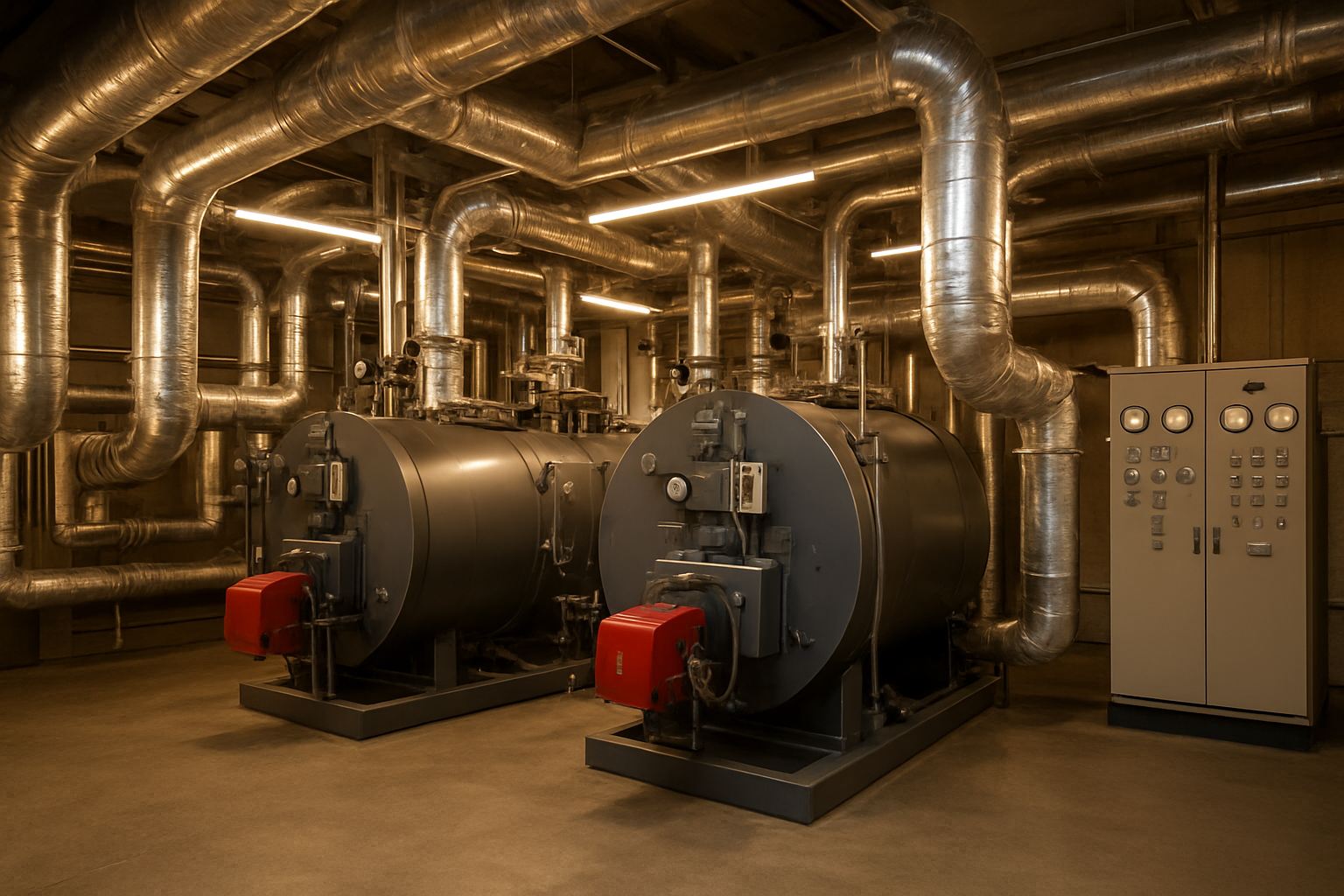
Commercial boiler systems provide reliable heating by pumping heated water throughout the building and distributing warmth through wall-mounted radiators. These systems offer several distinct advantages over forced air alternatives, including exceptional longevity and reduced maintenance requirements compared to furnaces.
Boilers don’t require air filters and won’t blow dust throughout the building or dry out the indoor air as much as forced air systems. This makes them particularly suitable for businesses where air quality is a priority. The radiator distribution method provides consistent, comfortable heat without the noise associated with forced air circulation.
However, new boiler installations typically require higher upfront costs and more complex installation procedures, especially in buildings without existing boiler infrastructure. The installation complexity can make retrofitting challenging, and businesses considering boiler systems should evaluate all available options with HVAC specialists to ensure they’re making the most cost-effective choice for their specific needs.
Heat Pump Technology for Year-Round Climate Control
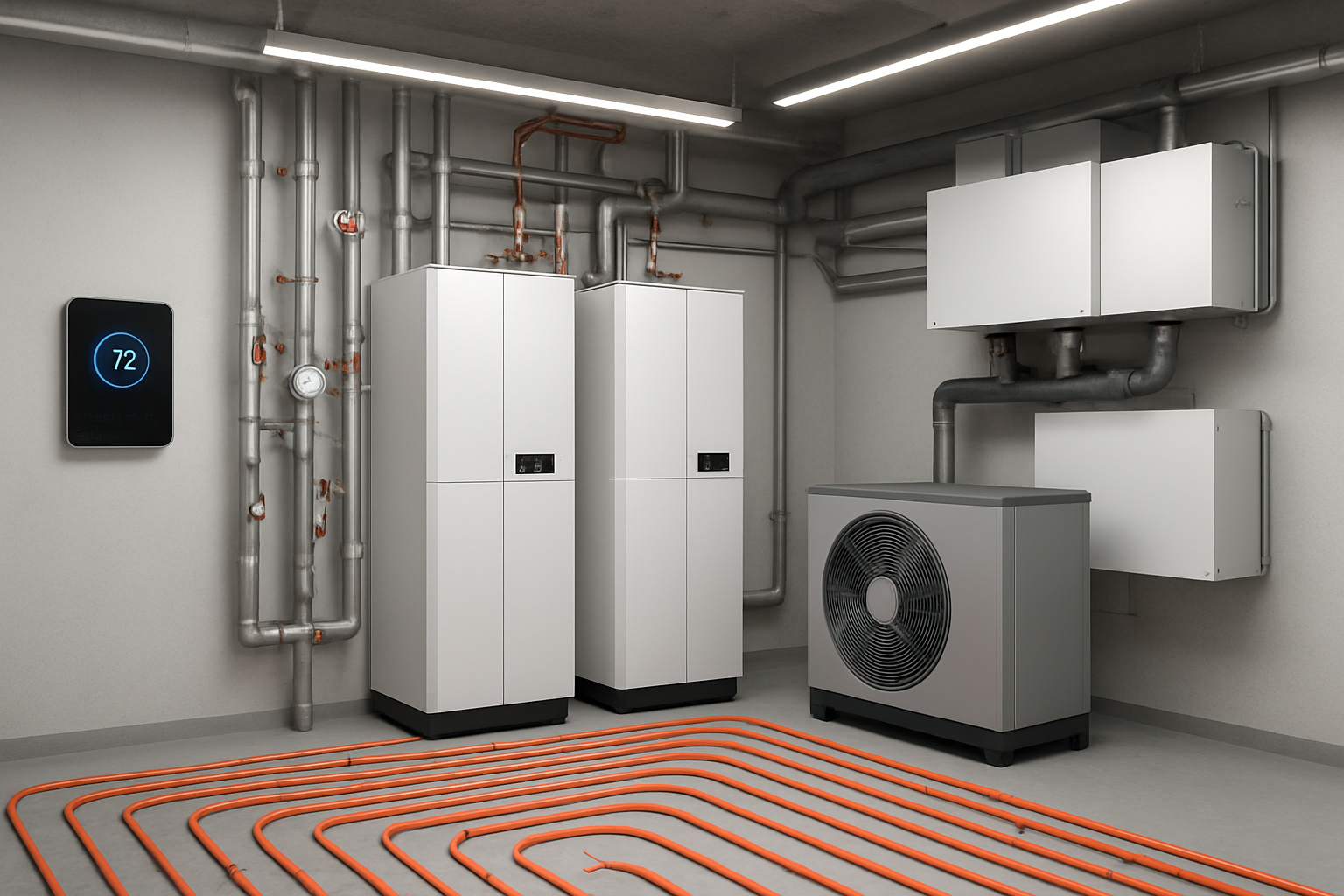
Heat pump systems offer exceptional energy efficiency by utilizing heat transfer technology to move thermal energy from one location to another. Rather than generating heat directly, these systems take advantage of heat’s natural tendency to move toward areas with less heat, requiring significantly less energy than traditional heating methods.
The most common commercial heat pump design extracts heat from outdoor air using refrigerant coils and transfers it indoors. While the initial investment for heat pump systems exceeds that of traditional commercial HVAC systems, the energy savings typically offset the higher upfront costs over time.
A major advantage of heat pump technology is its dual functionality – the same system can provide both heating and cooling by reversing the direction of heat exchange. Ductless mini-split heat pump systems offer additional flexibility by creating separate zones, allowing businesses to control temperatures in different areas for maximum efficiency. This zoning capability is particularly valuable for businesses with varying heating needs across different spaces, such as restaurants with kitchens that generate more heat than dining areas.
Radiant Floor Heating for Even Temperature Distribution
Radiant floor heating systems provide superior comfort through even temperature distribution while preserving indoor air quality. Although these systems may take longer initially to warm a room compared to forced air systems, they offer consistent heating throughout the space without air circulation disturbances.
Hydronic radiant floor systems are the most popular choice due to their increased efficiency. These systems pump heated water through tubing installed beneath the flooring, taking advantage of heat’s natural tendency to rise. This design eliminates energy waste from duct loss, making radiant systems particularly efficient.
Advanced radiant heating designs include zoning valves that allow businesses to control heat in different spaces independently, providing precise temperature control and energy savings. However, flooring materials can impact system performance – thick carpeting can insulate the heating elements and reduce effectiveness.
Installation considerations are significant for radiant floor heating. Retrofitting existing floors can be extremely complicated and costly, making these systems more suitable for new construction or major renovations. Additionally, these systems can increase humidity levels in the space, which may require consideration in certain business environments.
Non-Centralized Heating Solutions for Specific Applications
Unit Heaters for Warehouses and Distribution Centers
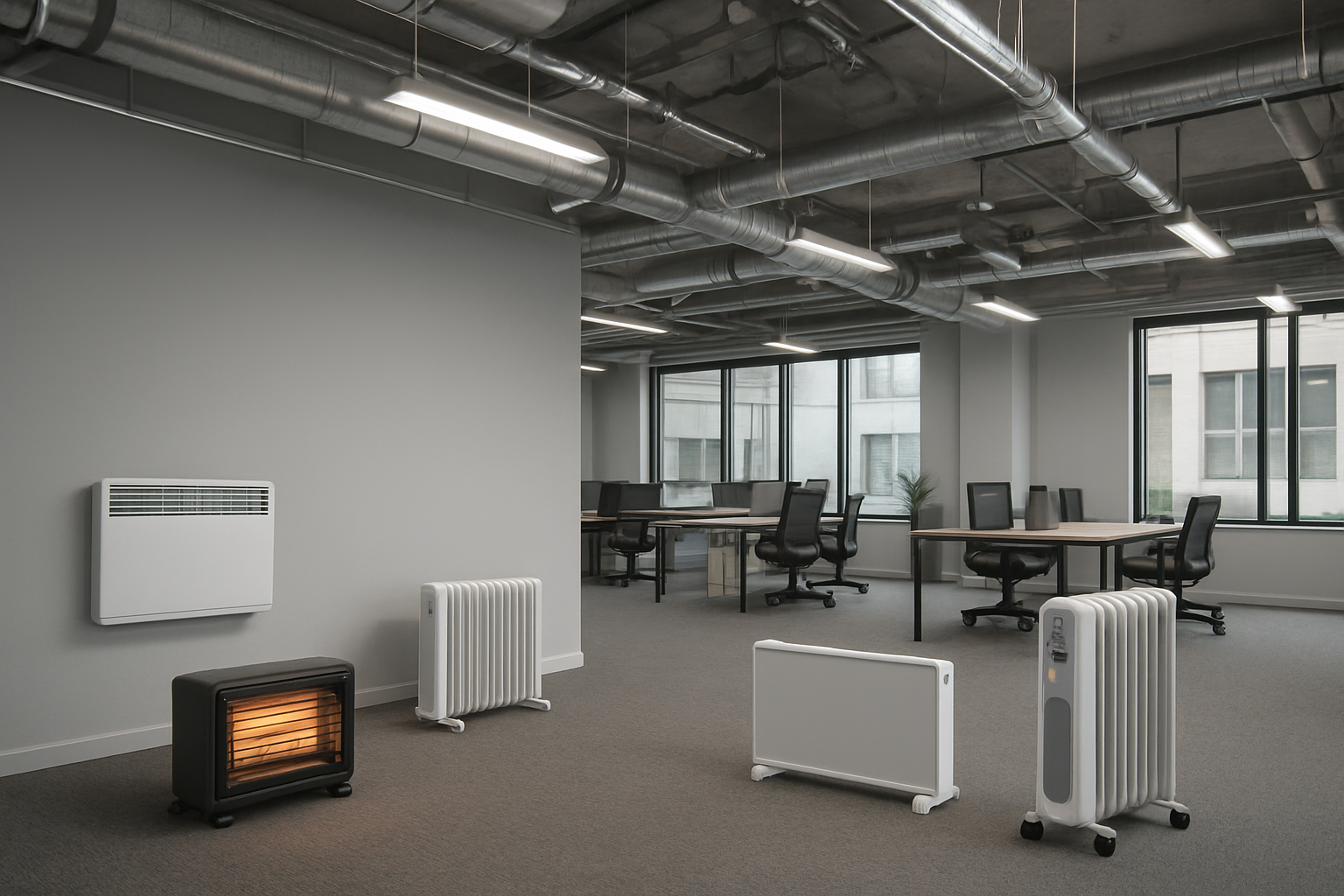
Unit heaters represent a practical and efficient solution for warming large warehouse spaces and distribution centers. These commercial-grade heating systems are specifically designed to address the unique challenges of heating expansive industrial environments. Warehouses, industrial facilities, manufacturing plants, and grow houses all benefit from the targeted heating approach that unit heaters provide.
Commercial warehouse heaters are engineered for durability and effective heat distribution across hard-to-heat areas. These heating units create comfortable working conditions for employees while maintaining operational efficiency. The strategic placement of unit heaters ensures even temperature distribution throughout warehouse spaces, eliminating cold spots that can impact both worker productivity and product integrity.
Space Heating for Targeted Area Coverage
Space heating solutions offer businesses the flexibility to address specific heating needs within their commercial operations. Now that we understand the warehouse application, these targeted heating systems excel in providing zone-specific climate control for areas that require focused temperature management.
Enhanced employee comfort stands as a primary advantage of strategic space heating implementation. Workers operating in properly heated environments demonstrate improved morale and productivity, particularly during cold seasons. When employees can focus on their tasks without the distraction of uncomfortable temperatures, overall operational efficiency increases significantly.
Product protection represents another critical benefit of targeted space heating. Electronics, machinery, and perishable goods can suffer adverse effects from extreme cold conditions. Maintaining stable environmental temperatures through strategic space heating prevents costly product damage and ensures inventory integrity.
Equipment longevity also improves with proper heating implementation. Space heaters minimize risks associated with freezing and condensation, which can lead to rust formation and mechanical issues in valuable equipment.
High Temperature Heating and Ventilation (HTHV) Technology
Modern commercial heating solutions incorporate advanced fuel options to meet diverse operational requirements. Natural gas, propane, and electric configurations each offer unique advantages for different business applications.
Natural gas heaters provide highly efficient and cost-effective heating solutions, making them ideal for businesses with established natural gas supply access. These systems deliver consistent heating performance while maintaining environmental friendliness through lower emissions compared to alternative fuel sources.
Propane heaters offer exceptional versatility and portability, creating excellent options for warehouses requiring flexible heating solutions. These units are recognized for rapid heat production capabilities and their ability to maintain consistent temperatures across varying operational conditions.
Electric heaters provide straightforward installation and operation with minimal maintenance requirements. These systems represent an excellent choice for businesses seeking to avoid fossil fuel dependency while enjoying quieter, cleaner heating operations. Energy efficiency remains a hallmark of modern commercial-grade heaters, ensuring effective heat distribution while keeping operational costs manageable.
Advanced Commercial Heating Technologies and Features
Air Turnover and Recirculation Systems
Previously, we’ve examined centralized and non-centralized heating solutions, but advanced commercial heating technologies offer sophisticated air management capabilities that significantly enhance system efficiency. Air turnover and recirculation systems represent cutting-edge solutions that optimize indoor air quality while maximizing energy performance.
These systems intelligently manage the flow of conditioned air throughout commercial spaces by continuously cycling and refreshing the indoor environment. The technology monitors air quality parameters and automatically adjusts circulation rates based on occupancy levels, outdoor conditions, and specific zone requirements. This dynamic approach ensures consistent temperature distribution while reducing energy consumption compared to traditional static systems.
Modern air turnover systems incorporate variable air volume (VAV) technology, which can deliver up to 61% energy savings during first-stage operation and up to 29% better humidity control. This represents a significant advancement in commercial heating efficiency, particularly for large buildings with varying occupancy patterns throughout the day.
Make-up Air and Infrared Heating Options
With this in mind, next we’ll explore specialized heating solutions that address unique commercial requirements. Make-up air systems provide essential ventilation by introducing fresh outdoor air to replace air exhausted through industrial processes, kitchen operations, or other building systems. These systems pre-condition incoming air to maintain comfortable indoor temperatures while ensuring adequate ventilation rates.
Infrared heating options offer targeted heating solutions for specific applications where traditional forced-air systems may be less effective. These systems provide direct radiant heat that warms objects and surfaces rather than heating air, making them ideal for high-ceiling spaces, warehouses, and areas with high air turnover requirements. Infrared technology delivers instant heat without the energy losses associated with heating large volumes of air.
The integration of make-up air and infrared technologies allows commercial buildings to maintain optimal comfort conditions while addressing specific operational requirements such as process ventilation or spot heating needs.
Zone Control Systems for Maximum Efficiency
Now that we have covered air management technologies, sophisticated zone control systems represent the pinnacle of commercial heating precision. These advanced systems divide large commercial spaces into independently controlled zones, each with its own temperature setpoints and operational schedules.
Zone control technology utilizes multiple sensors and dampers throughout the building to monitor and adjust conditions in real-time. Each zone can be programmed with specific temperature requirements, occupancy schedules, and operational parameters. This granular control eliminates energy waste by heating only occupied areas while maintaining minimal conditioning in unoccupied zones.
Advanced zone control systems integrate with building automation networks through BACnet compatibility, enabling seamless communication with other building systems including lighting, security, and energy management platforms. This integration allows for comprehensive building optimization strategies that consider all operational factors when making heating decisions.
Single-Zone VAV technology enhances zone control capabilities by providing variable airflow rates within each controlled area. This technology automatically adjusts air volume based on actual heating demands, further improving energy efficiency and occupant comfort.
100% Outside Air Systems for Superior Ventilation
Finally, 100% outside air systems provide the ultimate solution for applications requiring maximum indoor air quality and ventilation performance. These systems eliminate air recirculation entirely, continuously introducing fresh outdoor air while exhausting all indoor air.
This approach proves essential for healthcare facilities, laboratories, and other environments where air contamination must be strictly controlled. The systems incorporate advanced heat recovery technologies to pre-condition incoming outdoor air using energy from the exhausted air stream, minimizing the energy penalty associated with continuous fresh air introduction.
Modern 100% outside air systems feature sophisticated controls that monitor outdoor air quality and automatically adjust ventilation rates based on actual requirements. During favorable outdoor conditions, these systems can provide natural cooling through increased air turnover rates, reducing mechanical cooling loads.
The integration of reheat dehumidification technology provides affordable humidity control solutions within 100% outside air systems, ensuring optimal comfort conditions while maintaining superior indoor air quality standards required for critical applications.
System Selection and Installation Considerations
Proper Sizing to Prevent Energy Waste and Mechanical Issues
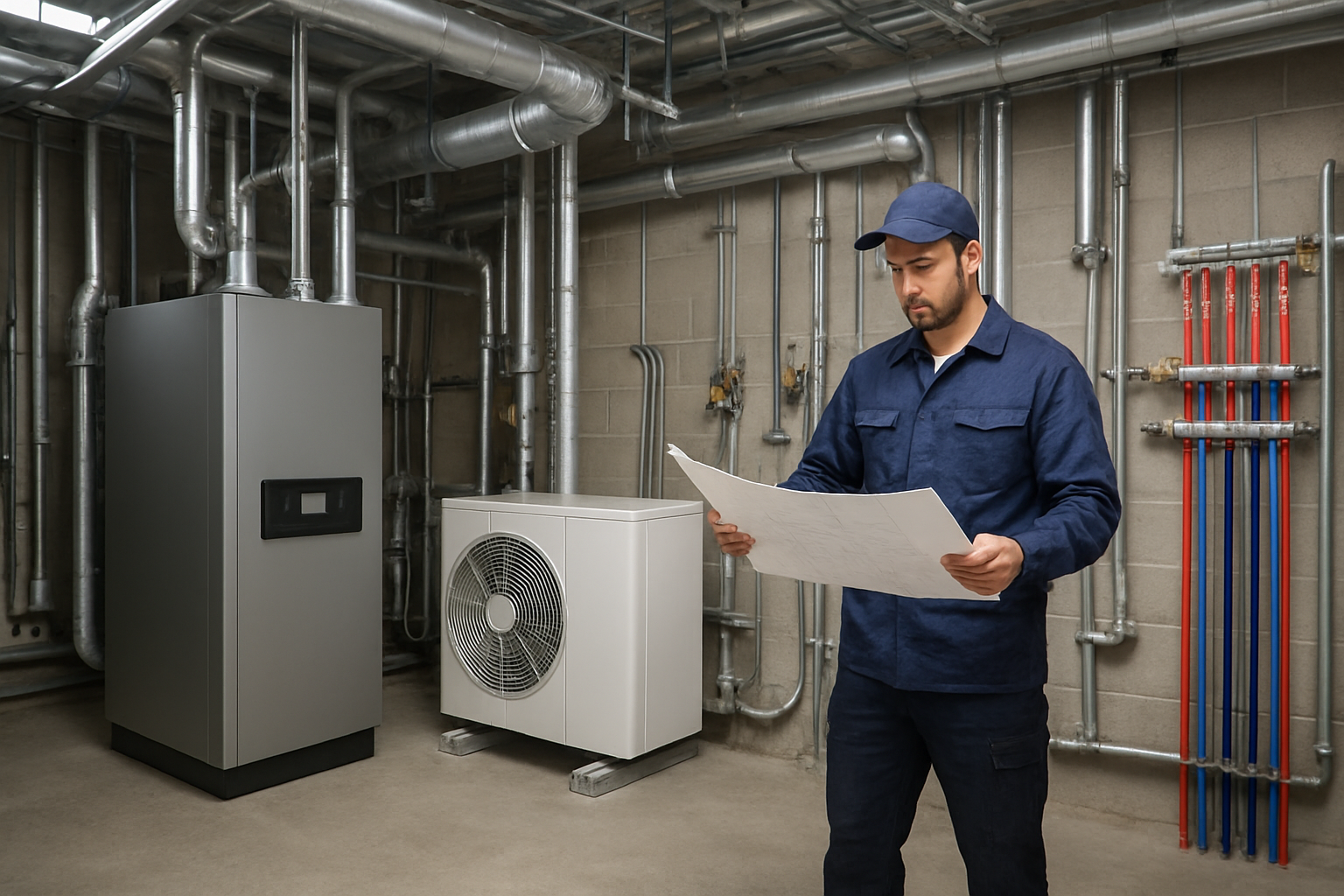
Proper sizing of commercial heating systems is crucial for ensuring optimal performance and energy efficiency. Selecting the right HVAC equipment enhances indoor air quality and ensures consistent temperatures throughout the building, profoundly impacting system performance and cost effectiveness.
Incorrectly sized heating equipment leads to numerous complications. An oversized system will cycle on and off frequently, wasting energy, wearing down equipment, and failing to properly dehumidify the space. Conversely, an undersized unit will constantly struggle to reach desired temperatures, leading to occupant discomfort, increased energy consumption, and premature system failure.
Professional load calculation is essential for proper sizing. This comprehensive process includes detailed heating load calculations that determine the amount of heat gain and heat loss in a building. With proper load calculation, you can ensure your heating system is matched perfectly to the needs of your commercial building, optimizing its performance.
Several factors must be considered when sizing heating equipment. Building size, layout, and insulation quality are primary determinants. The square footage, number of floors, rooms, and airflow patterns all affect system sizing requirements. Additionally, insulation type and quality impact heat loss and gain, directly influencing sizing needs.
Climate and geographic location significantly affect ideal heating system size. Buildings in colder climates require more robust heating systems to combat heat loss. Occupancy levels and equipment usage within the building also influence sizing requirements, as more people and heat-generating equipment add to the overall heat load the system must offset.
Installation Methods for Different Building Types
Installation methods for commercial heating systems vary significantly based on building type, size, and structural characteristics. The approach must account for the building’s layout, existing infrastructure, and specific operational requirements.
For large commercial buildings with centralized systems, installation typically involves comprehensive ductwork networks that distribute heated air throughout the facility. The installation process requires careful planning of air distribution pathways, ensuring adequate airflow to all zones while maintaining system efficiency.
Different building types require tailored installation approaches. High-rise buildings often utilize vertical distribution systems with multiple mechanical rooms on different floors. Manufacturing facilities may require specialized installation methods to accommodate heavy equipment and varying heat loads across different production areas.
The installation process must also consider accessibility for future maintenance and repairs. Strategic placement of heating equipment and distribution components ensures technicians can perform routine maintenance without disrupting building operations.
Installation teams must coordinate with other building systems, including electrical, plumbing, and fire safety systems, to ensure proper integration and compliance with building codes.
Existing Infrastructure and Upgrade Compatibility
When implementing new commercial heating systems, existing infrastructure compatibility is a critical consideration. Many buildings have legacy systems that may or may not integrate well with modern heating technologies.
Existing ductwork condition and capacity must be evaluated to determine if it can support new heating equipment. Older buildings may require ductwork modifications or complete replacement to accommodate upgraded systems. The structural integrity of the building must also support new equipment loads and installation requirements.
Electrical infrastructure assessment is essential, as modern heating systems often have different power requirements than older equipment. Upgrading electrical systems may be necessary to support new heating technologies and ensure safe, reliable operation.
Space constraints in existing buildings can limit heating system options. Retrofitting projects must work within the available space while meeting current heating demands and efficiency standards. This often requires creative solutions and careful equipment selection to maximize performance within physical limitations.
Integration with existing building management systems must be considered to ensure seamless operation and monitoring capabilities. Modern heating systems often include advanced controls that may require infrastructure upgrades to function properly.
Energy Efficiency Ratings and Cost-Benefit Analysis
Energy efficiency ratings play a crucial role in commercial heating system selection, directly impacting operational costs and environmental sustainability. Understanding these ratings helps make informed decisions that balance initial investment with long-term operational savings.
The tonnage of a heating system, representing roughly 12,000 British Thermal Units (BTUs) per hour, serves as a fundamental measurement for capacity and efficiency calculations. Proper tonnage determination ensures the system can meet building heating demands without oversizing, which leads to energy waste.
Cost-benefit analysis should include initial equipment costs, installation expenses, ongoing operational costs, and maintenance requirements. Energy-efficient systems typically have higher upfront costs but provide significant savings over their operational lifetime through reduced energy consumption.
Modern heating systems offer various efficiency ratings that help predict operational costs. Higher efficiency ratings generally translate to lower energy consumption and operational expenses, though the payback period must be calculated based on local energy costs and usage patterns.
The analysis should also consider available rebates and incentives for high-efficiency heating equipment. Many utility companies and government programs offer financial incentives that can significantly reduce the net cost of efficient heating systems.
Long-term cost considerations include equipment lifespan, maintenance requirements, and potential future energy cost increases. A comprehensive cost-benefit analysis ensures the selected heating system provides optimal value throughout its operational life while meeting current and future heating demands efficiently.
Maximizing Energy Savings and Operational Efficiency
Achieving 20-70% Energy Consumption Reduction
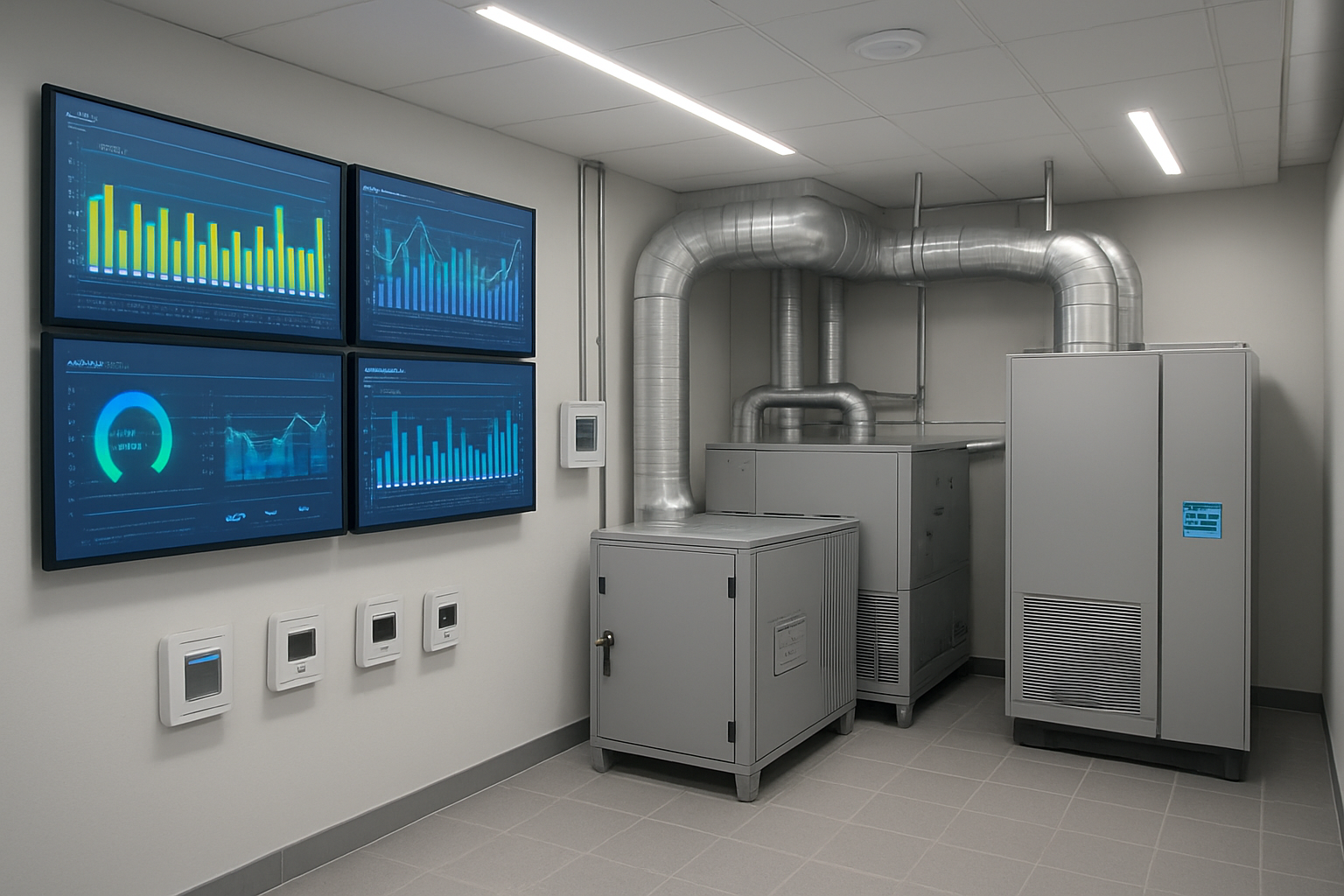
With this in mind, next, we’ll explore how commercial buildings can achieve substantial energy consumption reductions. Energy-efficient commercial building property (EECBP) installations can deliver impressive energy savings of 25% or more compared to baseline reference buildings meeting minimum ASHRAE Standard 90.1 requirements. These reductions are achieved through strategic improvements to interior lighting systems, heating, cooling, ventilation, and hot water systems, as well as building envelope enhancements.
For buildings targeting maximum efficiency gains, energy savings can reach up to 50%, qualifying for the highest tier of tax deduction benefits. The implementation of energy-efficient HVAC equipment with high AFUE ratings for heating and high SEER ratings for air conditioning plays a crucial role in achieving these significant reductions. Building automation systems further enhance efficiency by automatically adjusting temperature, lighting, and other systems based on occupancy and usage patterns.
Reducing Utility Bills Through System Optimization
Now that we have covered the potential for energy reduction, system optimization strategies directly translate to reduced utility costs. Programmable thermostats help minimize energy expenses by automatically adjusting temperatures based on business schedules, reducing consumption during off-hours and weekends. Zoning systems boost efficiency by enabling independent temperature regulation in different building areas, eliminating unnecessary energy usage in unoccupied zones.
Regular maintenance strategies prove essential for maintaining optimal efficiency. Air filter replacement ensures unrestricted airflow, preventing systems from working harder and consuming excess energy. Coil cleaning removes efficiency-reducing buildup, while ductwork inspection and cleaning identifies leaks or blockages that force systems to operate at higher energy consumption levels. These optimization measures collectively contribute to substantial utility bill reductions while maintaining comfortable indoor environments.
Long-term Maintenance and Reliability Benefits
Previously established maintenance strategies provide significant long-term reliability advantages beyond immediate energy savings. Regular inspections and tuneups, recommended twice yearly by professional commercial HVAC companies, help identify potential issues before they escalate into major, costly problems. This proactive approach extends equipment lifespan and maintains peak operational efficiency throughout the system’s service life.
Proper ventilation systems and humidity control not only improve indoor air quality but also reduce wear on HVAC components by maintaining optimal operating conditions. Air purification systems remove contaminants that could otherwise accumulate within system components, further enhancing reliability. These maintenance practices create a compound effect where initial investments in efficiency improvements continue delivering returns through reduced repair costs and extended equipment lifecycles.
Professional Assessment and Custom Installation Solutions
With this comprehensive understanding of efficiency benefits, professional assessment becomes crucial for maximizing commercial heating system performance. Energy-efficient commercial building retrofit property (EEBRP) installations require expert evaluation to ensure compliance with certification requirements and optimal system design. Professional commercial HVAC companies possess the expertise to identify the most effective combination of upgrades for specific building configurations and usage patterns.
Custom installation solutions encompass renewable energy source integration, such as solar panels or wind turbines, to power commercial HVAC systems. Building automation system implementation requires specialized knowledge to properly configure sensors, controls, and programming that automatically optimize energy usage. Professional assessment ensures that all improvements work synergistically to achieve maximum energy savings while maintaining proper indoor air quality and occupant comfort levels.
Selecting the right commercial heating system requires careful consideration of your building’s specific requirements, size, and operational needs. Whether you choose centralized solutions like forced air systems, boilers, or heat pumps, or opt for non-centralized options such as unit heaters for targeted heating, the key is matching the technology to your facility’s demands. Modern commercial heating technologies, particularly high temperature heating and ventilation (HTHV) systems, offer significant energy savings of 20-70% while providing superior comfort and air quality for building occupants.
The investment in an efficient, properly sized commercial heating system pays dividends through reduced operational costs, improved energy efficiency, and enhanced occupant comfort. Working with experienced HVAC professionals ensures your system is correctly designed and installed for optimal performance and longevity. Don’t let inefficient heating drain your budget—evaluate your current system and explore how modern commercial heating solutions can transform your facility’s comfort and operational efficiency.