
Office managers and facility directors looking to improve workplace comfort and security can benefit significantly from professional window film installation. This process involves applying specialized films to office windows to control heat, reduce glare, enhance privacy, and protect against UV damage.
Window film installation works through a precise multi-step process that requires professional expertise for optimal results. The procedure includes thorough surface preparation, accurate measurement and cutting, careful application using specialized tools, and proper curing time to ensure long-lasting adhesion.
This guide will walk you through understanding different window film technologies and their business benefits, explaining why professional installation beats DIY approaches, and outlining the complete installation process from consultation to final inspection. You’ll also learn how to select the right film type for your specific office needs, avoid common installation mistakes that reduce effectiveness, and follow maintenance best practices to maximize your investment’s lifespan.
Understanding Window Film Technology and Its Business Benefits
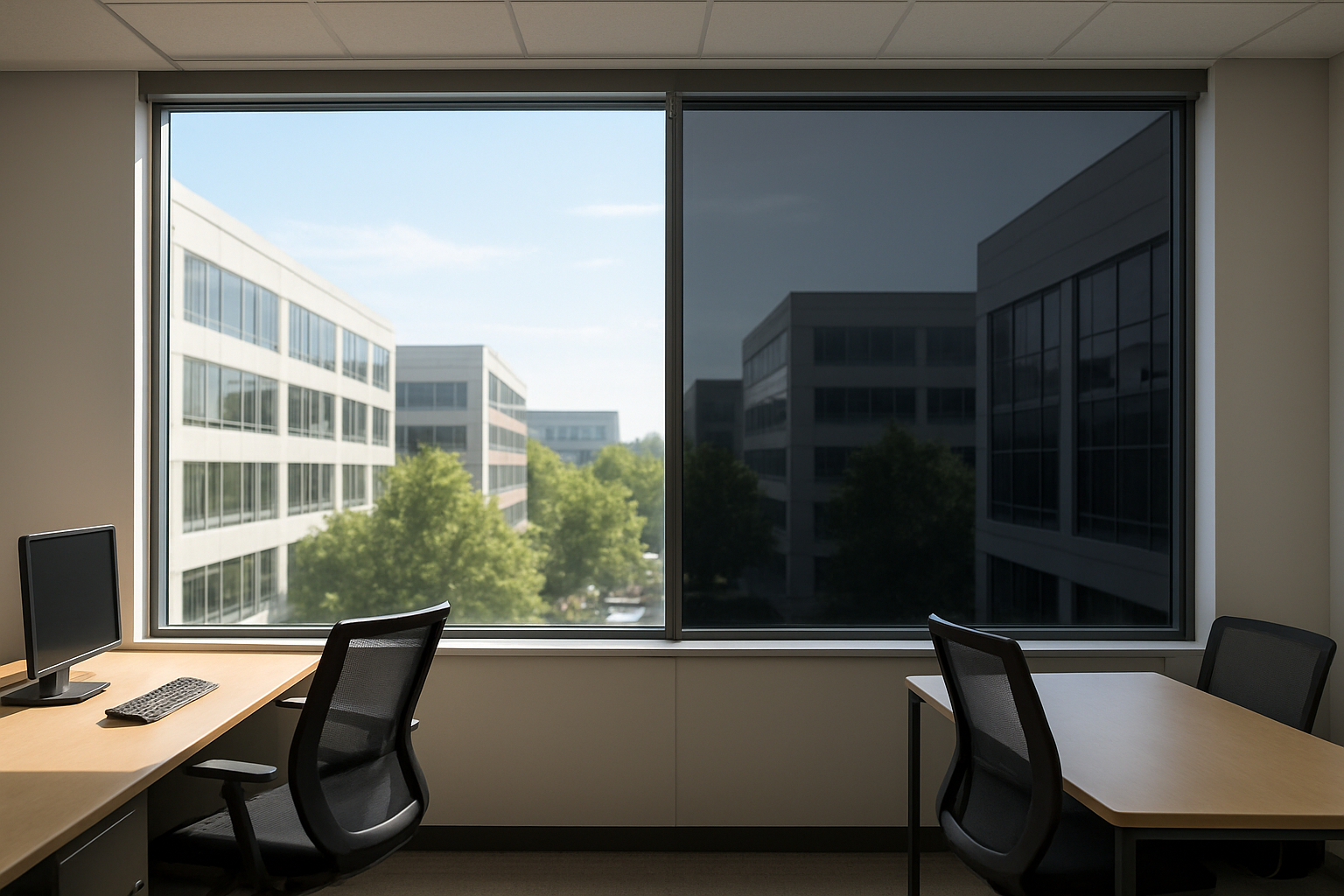
How Window Film Reduces Energy Costs by Up to 30%
Window film technology delivers substantial energy savings through its advanced heat rejection capabilities. According to the International Window Film Association, commercial window film can reduce solar heat gain by up to 79%, directly translating to cooling cost reductions of as much as 30%. This significant reduction occurs because the film acts as a barrier, preventing excessive solar heat from entering the building and reducing the burden on air conditioning systems.
Beyond cooling savings, window film provides access to consistent and natural lighting throughout the day, which minimizes the need for artificial lighting. This dual benefit of reduced cooling and lighting costs creates a compounding effect on energy savings. For businesses operating in hot climates, these savings can provide a significant return on investment, making window film a cost-effective solution for long-term energy management.
Enhanced Privacy Without Sacrificing Natural Light
Commercial window film offers an optimal balance between privacy and natural light preservation. This technology is particularly valuable for businesses located on busy streets or in high-traffic areas where maintaining confidentiality is crucial. Law firms, financial institutions, and healthcare providers greatly benefit from the added privacy that window tinting provides, ensuring clients feel more comfortable when discussing sensitive matters.
Decorative window film options can provide privacy while simultaneously adding elegance and sophistication to a building’s appearance. For retail establishments, reflective tint offers outdoor privacy that can help prevent burglaries since potential criminals cannot see inside the building. The film maintains the flow of natural light while creating the necessary visual barriers for business operations.
UV Protection for Interior Furnishings and Employee Safety
Window film provides exceptional protection from harmful ultraviolet rays, with the ability to block up to 99% of UV radiation according to the Skin Cancer Foundation. This protection serves dual purposes: safeguarding employee and customer health while preserving interior assets. The UV protection reduces the risk of skin cancer and other health problems for individuals who spend significant time near windows.
Additionally, this UV blocking capability protects furniture, carpeting, artwork, and other interior items from fading and deterioration. The preservation of interior furnishings represents substantial cost savings over time, as businesses can extend the lifespan of their investments while maintaining a professional appearance.
Glare Reduction for Improved Workplace Productivity
Glare reduction stands as one of the most immediate benefits of commercial window film installation. Excessive glare can cause significant discomfort for employees and customers, making it difficult to see computer screens and electronic devices clearly. In severe cases, glare can lead to headaches, migraines, and eye strain, all of which negatively impact employee productivity.
Window film addresses these issues by filtering out the sun’s harmful rays, creating a more comfortable and productive work environment. This benefit is especially valuable for offices, call centers, and retail shops where employees spend considerable time working on computers. By eliminating glare-related distractions and discomfort, businesses can maintain optimal productivity levels while ensuring employee well-being throughout the workday.
Types of Window Films for Different Office Needs
Privacy Films for Confidential Work Environments
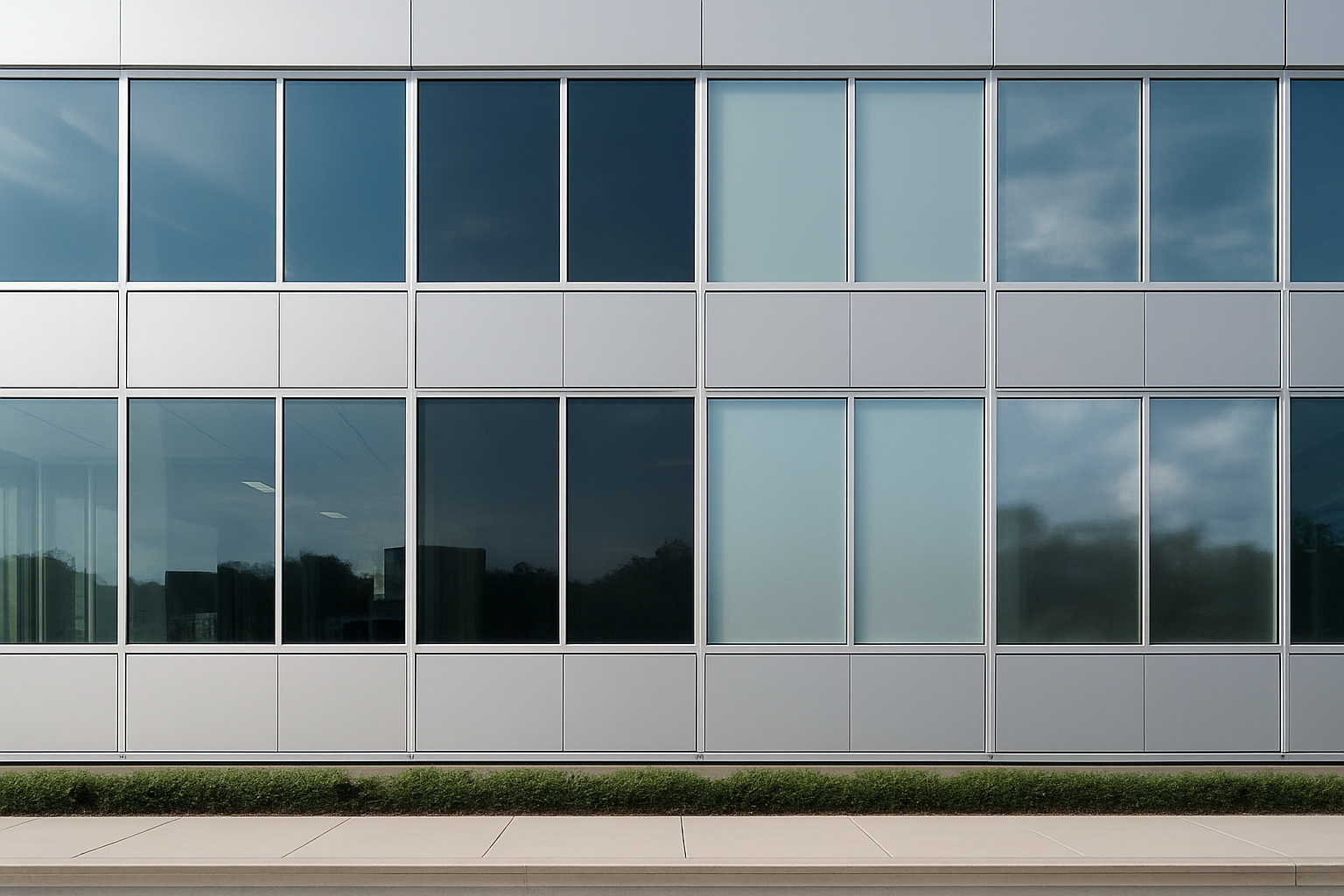
Privacy films serve as essential solutions for maintaining confidentiality in modern office spaces. Frosted window film stands out as the most popular choice for office environments, offering an opaque appearance that diffuses light while increasing privacy both in and out of glass surfaces. This film type provides an effective barrier without drastically altering the visual appeal of your workspace.
For conference rooms requiring complete confidentiality, blackout window film delivers total privacy by blocking all views through glass surfaces. This solution creates the appearance of black glass at a fraction of the cost of replacing existing windows. Alternatively, whiteout window film offers full privacy while maintaining a bright, inviting atmosphere in the room, making it ideal for storefronts or conference spaces where complete privacy is needed without sacrificing natural light.
Milano window film, part of 3M’s Fasara line, provides another sophisticated option with its milky crystal appearance. Similar to frosted film, Milano controls both light transmission and privacy levels effectively. American Window Film frequently installs these privacy solutions on cubicle glass, private office windows, and conference room surfaces to enhance confidentiality throughout office environments.
Solar Control Films for Maximum Energy Savings
Now that we’ve covered privacy solutions, solar control films represent a crucial category for offices dealing with heat, glare, and energy efficiency challenges. These films specifically address temperature control issues that impact both employee comfort and operational costs.
Reflective window film provides excellent solar heat rejection while maintaining visibility from inside the building. Neutral window film offers similar benefits with a more subtle appearance that preserves the building’s aesthetic appeal. For enhanced performance, dual-reflective window film combines the benefits of both interior and exterior reflection properties.
Ceramic window tint delivers superior performance without the metallic appearance of traditional films, making it suitable for professional environments where aesthetics matter. These solar control solutions effectively reduce cooling costs by blocking significant amounts of solar heat before it enters the building, while also protecting interior furnishings from UV damage and reducing glare on computer screens.
Security Films for Break-in and Vandalism Protection
With energy efficiency addressed, security films provide essential protection for office buildings against break-ins and vandalism attempts. These specialized films strengthen glass surfaces, making them significantly more resistant to impact and forced entry attempts.
Security window films hold glass fragments together when breakage occurs, preventing dangerous shards from scattering throughout the workspace. This safety feature protects employees from injury while also deterring potential intruders who rely on quick, easy access through standard glass windows.
The installation of security films creates a protective barrier that can delay break-in attempts long enough for security systems to activate and authorities to respond. This added layer of protection becomes particularly valuable for ground-level offices, storefronts, and buildings in areas with higher crime rates.
Decorative Films for Professional Aesthetic Appeal
Previously, we’ve discussed functional benefits, but decorative films also enhance the professional appearance of office spaces. Patterned window films offer creative design options including dots, stripes, and lines in various opacities and sizes, allowing offices to achieve unique aesthetic appeal while maintaining functionality.
Decorative films provide the flexibility to customize glass surfaces with subtle designs that complement existing office décor. These solutions can be applied to entire glass surfaces or partially, depending on specific design requirements and privacy needs.
The variety of patterns and opacity levels available allows for creative solutions that distinguish one office environment from another. Whether seeking subtle enhancement or bold design statements, decorative films offer professional-grade options that elevate the visual appeal of commercial spaces.
Low-E Films for Superior Temperature Control
With aesthetic considerations covered, Low-E (low-emissivity) films represent advanced technology for superior temperature control in office environments. These films feature specialized coatings that reflect infrared heat while allowing visible light to pass through, creating optimal indoor climate conditions.
Low-E films excel at maintaining consistent indoor temperatures by preventing heat loss during winter months and blocking excessive heat gain during summer periods. This year-round performance makes them particularly valuable for large office buildings where temperature control significantly impacts energy consumption.
The advanced technology in Low-E films provides exceptional insulation properties without compromising natural light transmission. This balance ensures comfortable working conditions while reducing HVAC system strain and associated energy costs throughout the year.
Professional vs DIY Installation: Why Expertise Matters
Precision Application and Bubble-Free Results
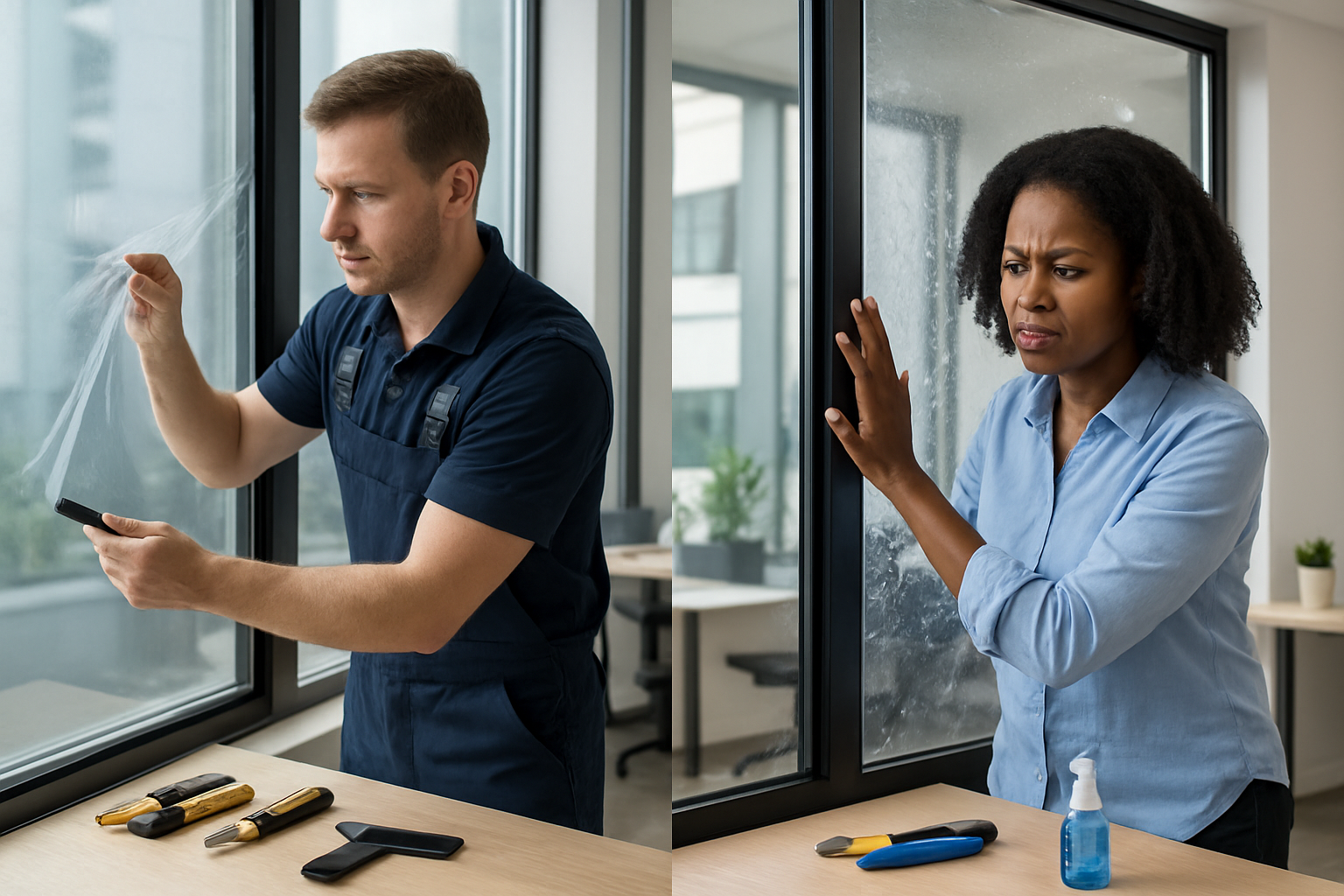
Professional installers possess the specialized expertise necessary to achieve bubble-free, seamless window film applications that DIY attempts rarely match. The precision required for proper film installation demands years of experience working with various glass surfaces and environmental conditions. Professional installation teams have developed techniques to ensure films adhere properly without air bubbles, wrinkles, or edge lifting that commonly plague amateur installations.
The quality difference becomes apparent immediately upon completion. Professional installations feature perfectly aligned edges, uniform appearance across all windows, and flawless surface contact that maximizes the film’s performance characteristics. These experts understand how to work with different glass types, architectural features, and environmental factors that can affect installation quality.
Warranty Coverage and Long-Term Protection
Choosing professional installation provides significant warranty advantages that protect your investment long-term. Professional window film companies typically offer comprehensive warranty coverage that extends beyond the manufacturer’s film warranty to include installation quality guarantees. This dual protection ensures both material defects and installation issues are covered.
DIY installations often void manufacturer warranties entirely, leaving property owners responsible for any performance issues or premature failures. Professional installers stand behind their work with service guarantees, meaning they’ll return to address any installation-related problems at no additional cost. This warranty coverage provides peace of mind and protects the substantial investment in quality window film systems.
Time Efficiency and Quality Assurance
Professional installation teams complete projects significantly faster than DIY attempts while maintaining superior quality standards. Their experience allows them to work efficiently without sacrificing precision, minimizing business disruption during commercial installations. What might take an inexperienced person days to complete poorly, professionals accomplish in hours with exceptional results.
Quality assurance protocols ensure every installation meets industry standards before completion. Professional teams conduct thorough inspections, verify proper adhesion, and confirm all performance specifications are met. This systematic approach eliminates the trial-and-error process common with DIY installations.
Proper Tools and Techniques for Optimal Performance
Professional installers utilize specialized tools and proven techniques unavailable to most DIY enthusiasts. These tools include professional-grade squeegees, precision cutting instruments, heat guns, and application solutions specifically formulated for different film types. The combination of proper equipment and expert technique ensures optimal film performance and longevity.
Advanced installation techniques, such as proper surface preparation, controlled application environments, and post-installation curing processes, require professional knowledge to execute correctly. These methods directly impact the film’s ability to deliver its intended benefits, whether security, energy savings, or UV protection.
The Complete Professional Installation Process
Initial Consultation and Needs Assessment
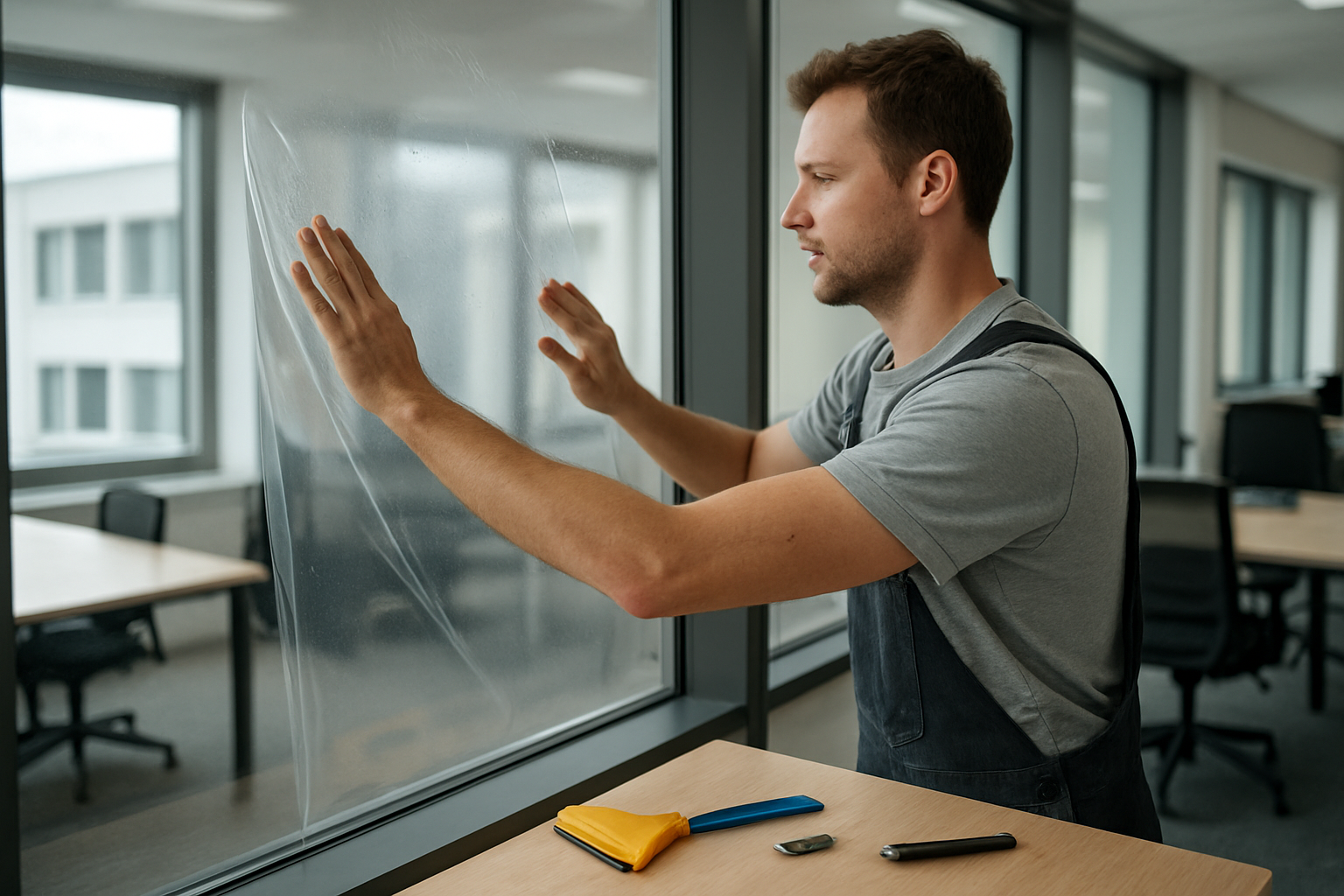
Professional window film installation begins with a comprehensive consultation where experts assess your specific office requirements. During this phase, installers evaluate factors such as heat control needs, glare reduction requirements, privacy concerns, and decorative preferences. For offices dealing with television and computer screen glare, specialists will recommend glare-control films that enhance viewing comfort while blocking UV rays. Heat-control films may be suggested for spaces requiring improved energy efficiency, as these can reflect the sun’s heat and reduce overall heat gain, leading to lower cooling costs.
Thorough Window Cleaning and Surface Preparation
Before any film application begins, professional installers ensure windows are meticulously cleaned and prepared. This critical step involves removing all dust, debris, and contaminants that could compromise film adhesion. The preparation process includes creating an optimal work environment where dust particles are minimized, as even small particles can create imperfections in the final installation. Professionals use specialized cleaning solutions and techniques to achieve a perfectly clean surface that will allow the film to adhere properly.
Precise Measurement and Custom Cutting
Expert installers take exact measurements of each window and cut the film with precision using sharp, new blades for every cut. The cutting process requires exceptional accuracy, as even slightly blunt tools can cause the film to tear, necessitating replacement material. Professionals typically cut film 1 inch wider than needed on all sides to allow for proper positioning and trimming. They use rulers and spirit levels as guides to ensure straight cuts while being careful not to damage window seals. The thickness of cutting guides provides better angle control, ensuring clean, professional results.
Expert Application and Smoothing Techniques
The application process involves several sophisticated techniques that distinguish professional installation from DIY attempts. Installers remove the entire backing film before application, working methodically to prevent the underlying film from crinkling. They apply generous amounts of soapy water solution to both the window and the film itself, creating the necessary lubrication for proper positioning. The water adds weight to the film, preventing curling and making it easier to handle.
Professional installers use a systematic approach, starting from the center and working toward the edges with specialized squeegees. They understand that the goal is to push out air first, then water second, using gentle, wide strokes to avoid premature adhesion. When small bubbles appear near the center, experts know precisely how much pressure to apply and how many strokes are needed to eliminate them without damaging the film.
Final Quality Inspection and Testing
Once the film is properly positioned and smoothed, professionals conduct a thorough quality inspection. They examine the installation for any remaining air bubbles, which they address using fine needles to pop tiny bubbles and smooth them flat. The final inspection ensures complete water removal from under the film and verifies that all edges are properly sealed. Professionals also test the film’s performance characteristics, confirming that privacy, heat control, or glare reduction features are functioning as intended. This comprehensive quality check guarantees that the installation meets professional standards and will provide long-term performance for your office environment.
Selecting the Right Film for Your Office Requirements
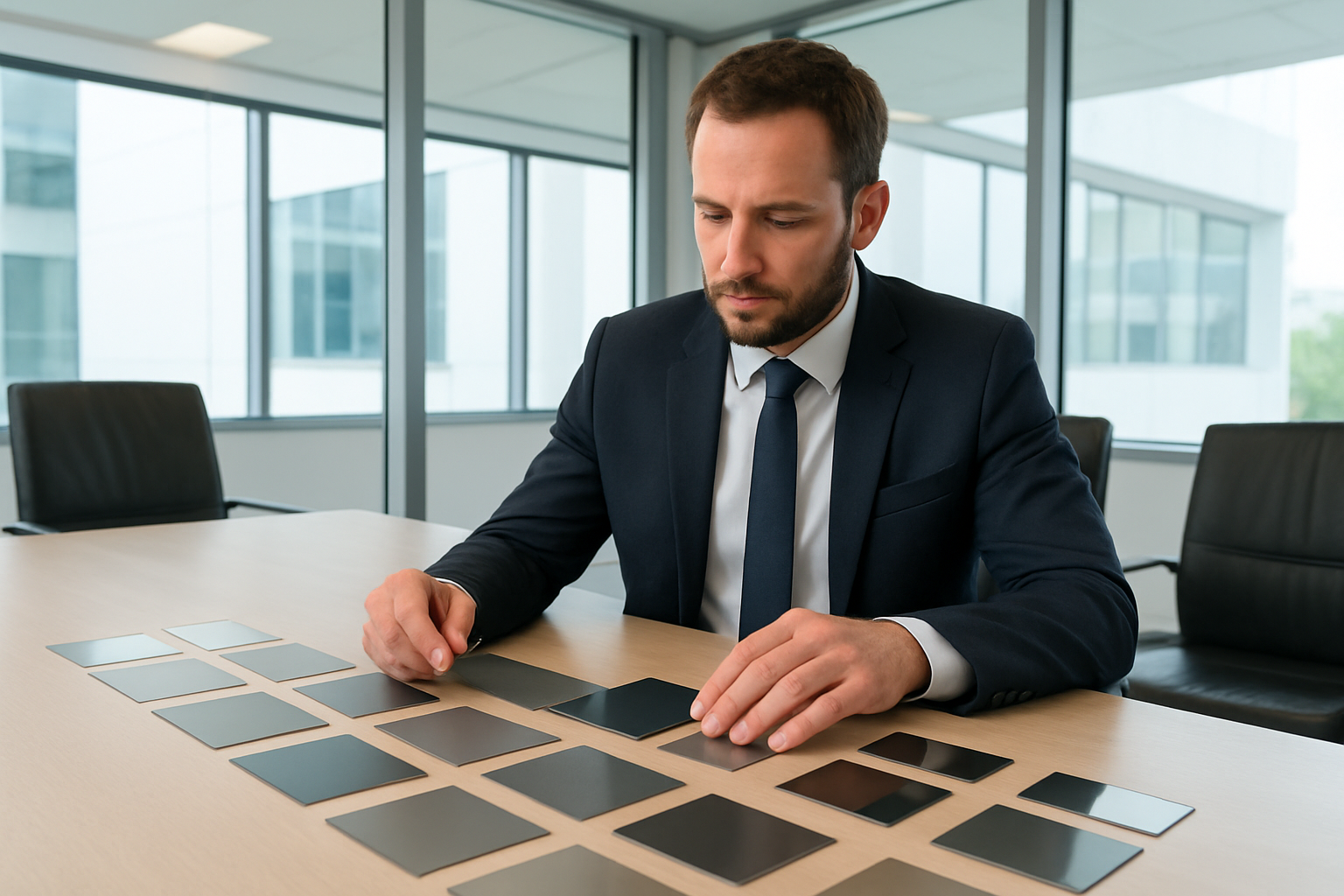
Evaluating Privacy and Opacity Needs
When determining privacy requirements for your office space, consider the specific functions of each area and the level of confidentiality required. Conference rooms and HR departments handling sensitive discussions benefit from frosted or decorative window films that allow natural light to filter through while blurring views from the outside. These solutions maintain an open feeling without compromising discretion.
One-way mirrored privacy film offers an excellent solution for exterior windows, allowing employees to see outside while blocking interior views from external observers. This type of film provides daytime privacy by reflecting ambient light, though it becomes less effective at night when interior lighting is brighter than outside conditions.
For maximum privacy regardless of lighting conditions, two-way mirror privacy film blocks 95% of light and offers high-level opacity with reflection, making it nearly impossible to see through. Different window films provide varying privacy levels, so assess your specific needs based on the sensitivity of work conducted in each space and the time of day when privacy is most critical.
Balancing Energy Efficiency with Visibility
Energy efficiency considerations must be carefully balanced with maintaining adequate natural light and visibility. Low-emissivity (low-E) window films excel at reducing heat loss during colder months while blocking excess heat in warmer periods, creating year-round energy savings without significantly impacting visibility.
Reflective tints prove particularly valuable in sunny climates where air conditioning costs escalate during summer months. These films reduce indoor heat gain and help control cooling expenses while allowing employees to maintain clear outdoor views. The key lies in selecting films that optimize energy performance without making spaces feel overly dim or closed off.
For offices requiring abundant natural light to maintain an open, airy aesthetic, lightly tinted or neutral films provide the ideal compromise. These options deliver energy benefits while preserving the workspace’s brightness and visual appeal. Consider your office’s orientation, local climate conditions, and cooling system efficiency when determining the appropriate balance between energy savings and natural illumination.
Considering Security and Safety Requirements
Security window films must meet specific safety performance standards while providing protection against break-ins and accidents. When evaluating security options, consider the shatter resistance properties of different films and their ability to hold glass fragments together upon impact.
Building codes often mandate specific safety requirements for commercial window treatments, particularly regarding emergency visibility and egress. Some regulations ensure window films don’t compromise visibility during emergencies such as fires or evacuations, while others specify requirements for film reflectivity to prevent glare that could impact surrounding buildings or traffic.
Professional consultation becomes essential to ensure compliance with local ordinances and safety standards. Many jurisdictions require permits for certain window modifications and have strict guidelines about reflectivity levels to prevent disturbances to neighboring properties. Working with experienced installers familiar with local requirements helps navigate these regulatory considerations while achieving optimal security benefits.
Matching Aesthetic Goals with Brand Image
The visual impact of window films should align with both interior décor and exterior architecture to create a cohesive professional appearance. Neutral or gray tints provide timeless, professional aesthetics suitable for corporate environments, seamlessly complementing minimalist furniture and clean architectural lines.
Decorative window films offer opportunities to inject personality and reinforce brand identity through custom patterns, designs, or company motifs. Creative agencies and coworking spaces often leverage frosted films with etched patterns or brand elements to add visual interest while maintaining functionality.
For businesses requiring sophisticated branding, frosted panels with reverse cut-out corporate logos create professional impressions while providing necessary privacy. Banks and similar institutions benefit from etched glass appearances that convey the professionalism consumers expect while maintaining operational discretion.
Consider how lighting conditions throughout the day will affect the film’s appearance and whether darker tints might make spaces feel too enclosed for your desired ambiance. The chosen aesthetic should enhance workplace comfort and productivity while reflecting your company’s professional image and values.
Common Installation Mistakes That Reduce Effectiveness
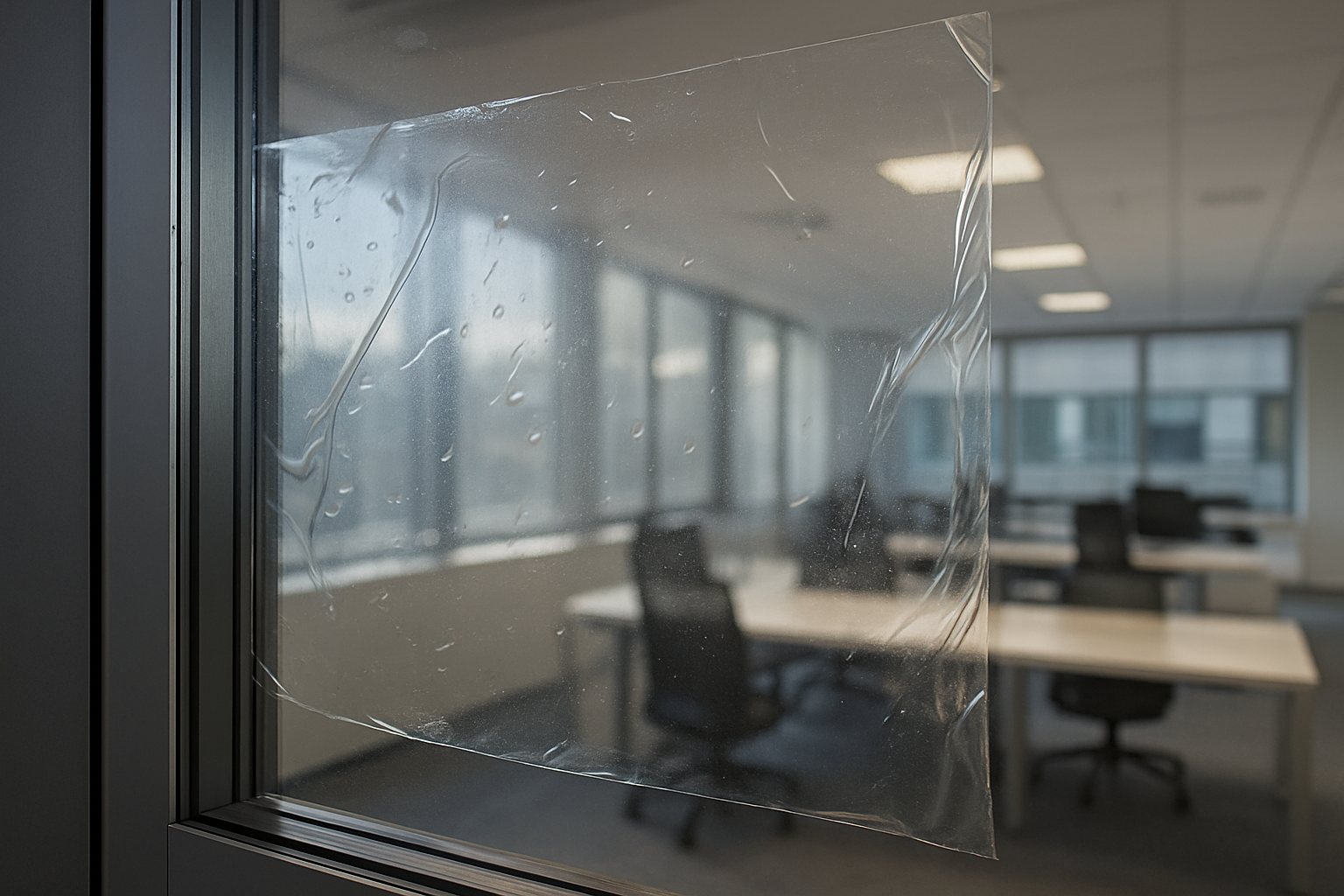
Inadequate Surface Preparation and Cleaning
Poor surface preparation stands as one of the most critical mistakes that can compromise the entire installation process. When glass surfaces aren’t thoroughly cleaned and degreased, the film simply cannot achieve proper adhesion to the window. This technical oversight creates a cascade of problems that significantly reduce the film’s effectiveness and longevity.
An inadequately prepared surface leads to several serious consequences. Formation of bubbles and wrinkles becomes inevitable when dirt, grease, or residue prevents the adhesive from making complete contact with the glass. These imperfections not only create an unprofessional appearance but also compromise the film’s energy efficiency. More concerning is the risk of premature film detachment, which can occur weeks or months after installation, requiring costly replacement and potentially damaging the company’s reputation.
To ensure optimal results, professionals must use non-abrasive cleaners specifically designed for glass surfaces. The cleaning process requires meticulous attention to detail, using microfiber cloths to eliminate every trace of dust, grease, and fingerprints. Any particles left on the surface will create visible imperfections and weak points in the adhesive bond.
Incorrect Measurement and Cutting Errors
Precision in measurement and cutting represents a fundamental skill that separates professional installations from amateur attempts. Inaccurate film cutting results in improper margins and poor fit, creating an unattractive finish that undermines the entire project’s quality. These errors often stem from rushing the preparation phase or using inadequate measuring techniques.
The consequences of cutting mistakes extend beyond aesthetics. Improperly sized film creates risks of chipping along the edges, where the material may not adequately cover the glass surface or may overlap onto window frames inappropriately. This poor fit also reduces the film’s protective performance, as gaps or inadequate coverage allow UV rays and heat to penetrate around the edges.
Professional installers must measure glass accurately before cutting, accounting for window frame irregularities and ensuring proper coverage. Using professional utility knives designed specifically for window film ensures optimal precision and clean edges. The industry standard recommends adding approximately one inch to both width and height measurements to allow for final trimming at the window, which accommodates any variations in frame squareness and ensures perfect fit.
Improper Tool Usage and Application Pressure
The selection and proper use of installation tools directly impacts the quality and durability of window film installations. Using inadequate or low-quality tools represents a false economy that often results in scratches, marks, and uneven application. Professional-grade tools specifically designed for film installation are essential for achieving optimal results.
Scratches and marks on the film surface occur when installers use tools that are too hard or not designed for delicate film materials. These imperfections not only affect the appearance but can also compromise the film’s structural integrity. Inaccurate cuts result from dull or inappropriate cutting implements, while uneven installation stems from using squeegees with incorrect hardness levels.
Quality squeegees represent the installer’s most critical tool for removing air bubbles and excess moisture. Squeegees that are too soft fail to adequately remove water and air, while those that are too hard can scratch or damage the film surface. Professional installation requires tools specifically engineered for window film application, including appropriate squeegees, professional utility knives, and proper sprayers for application solution.
The squeegeeing technique itself requires consistent, firm, even strokes to push excess moisture to the film’s edges. Inconsistent pressure or improper technique leaves water trapped beneath the film, creating bubbles that may become permanent if the adhesive sets before proper removal.
Insufficient Curing Time for Optimal Adhesion
Respecting proper drying and curing times represents a critical factor that many installers underestimate or ignore due to project timeline pressures. The curing process allows the adhesive to fully bond with the glass surface, creating the permanent attachment necessary for long-term performance. Rushing this phase or handling the film too quickly after application can compromise the entire installation’s effectiveness.
When installers don’t respect recommended drying times, several problems emerge. Partial film detachment can occur if the adhesive hasn’t fully set before the film experiences stress from handling or environmental factors. Persistent formation of bubbles or marks may result from premature cleaning or touching the film surface. Perhaps most significantly, the film’s overall lifespan becomes reduced when the curing process is interrupted or inadequate.
Manufacturers typically recommend drying times between 24 to 48 hours, during which the film must remain undisturbed. During this critical period, any handling, cleaning, or environmental stress can disrupt the adhesive bonding process. Professional installers understand that patience during this phase ensures optimal adhesion and long-term performance that meets or exceeds client expectations.
Maintenance Best Practices for Long-Term Performance
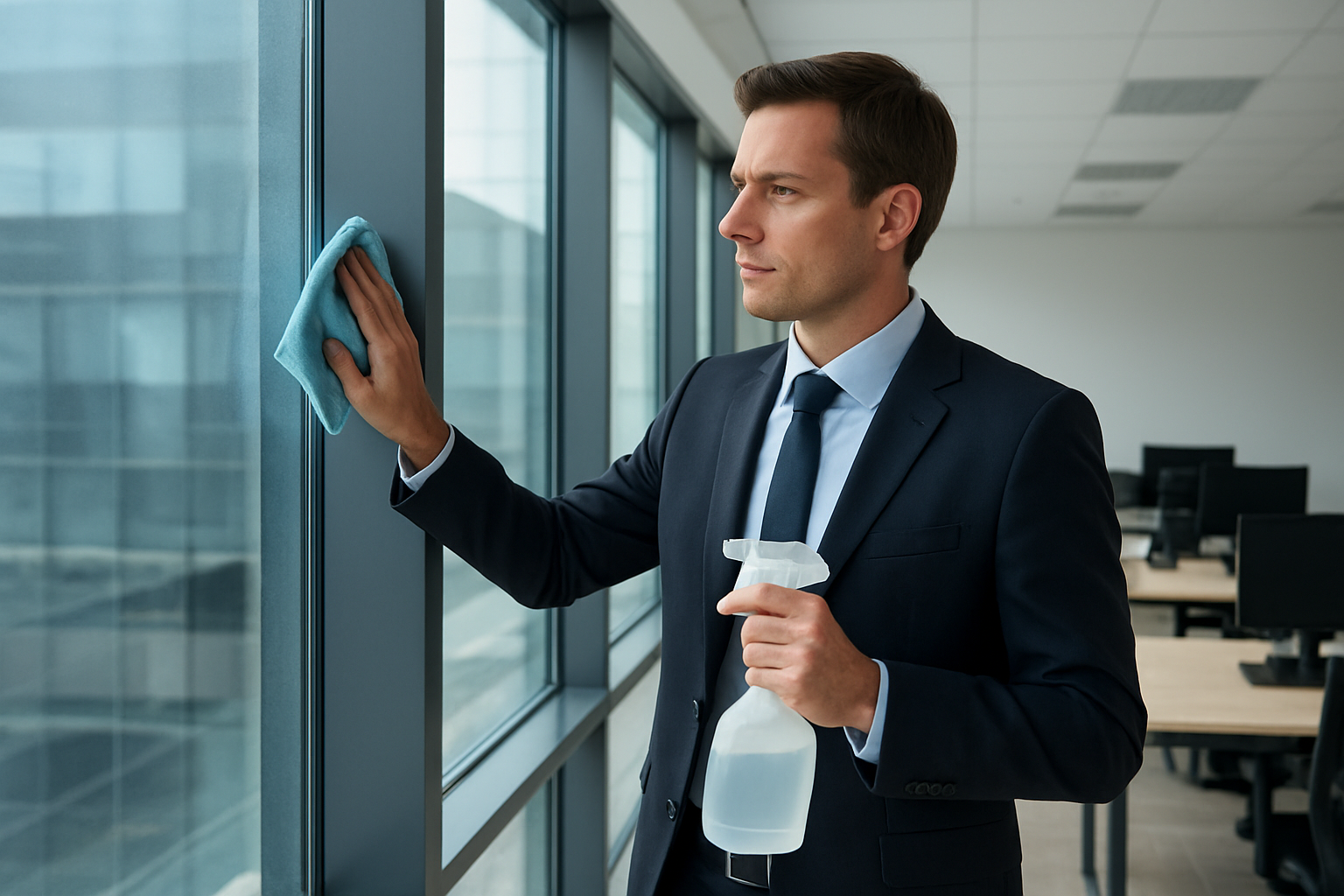
Safe Cleaning Techniques and Approved Products
Window film requires specialized cleaning approaches that differ significantly from standard glass cleaning methods. The most critical rule is to avoid ammonia-based cleaners, which can break down the adhesive layer and cause permanent damage to the film. Instead, use a simple solution of mild dishwashing detergent mixed with water, which effectively removes most pollutants without compromising the film’s integrity.
The cleaning process should always be performed during cooler times of day, preferably early morning or evening, when the glass is not heated by direct sunlight. This prevents cleaning solutions from drying too quickly and leaving streaks or water spots. For optimal results, use only soft cloths or chamois to wipe off cleaning solutions rather than paper towels, which can create fine scratches in the film surface.
Commercial window film cleaners are available from professional suppliers and provide a safe alternative for tinted or coated films. For tough spots, a diluted solution of distilled water and vinegar in a 1:3 ratio can be effective without harming the surface. Always test any cleaning product on a small corner before applying it to the entire window to ensure compatibility.
When cleaning, spray the solution lightly and avoid oversaturating the window. Use smooth, overlapping strokes in one consistent direction rather than circular motions, which can leave swirl marks. Immediately dry the surface with a clean microfiber cloth or rubber squeegee to prevent water spotting.
Regular Inspection for Early Problem Detection
Conducting systematic inspections every 6 to 12 months helps identify potential issues before they become costly problems. During these inspections, examine the film for any bubbles, loose edges, discoloration, or fading that may indicate deterioration or environmental damage.
Pay particular attention to the edges, as this is where most film failures begin. Look for any lifting, curling, or uneven seals around the perimeter. Check the surface for bubbles, streaks, or dust particles that may have accumulated over time. Small bubbles that appear after installation are normal and typically settle as the adhesive cures, but persistent or large bubbles may indicate trapped moisture or poor adhesion.
Document your findings with photos for reference or warranty purposes. This documentation proves valuable if you need to contact your installer or manufacturer for support. Monitor color consistency across the entire film surface, as uneven toning may indicate excessive UV exposure or early aging of the film material.
Early detection allows for repair rather than replacement, which is significantly more cost-effective. Small issues like minor peeling or beginning edge separation can often be addressed with professional touch-ups, while ignoring these problems typically leads to complete film failure requiring full replacement.
Following Manufacturer Guidelines for Warranty Protection
Adhering to manufacturer specifications is essential for maintaining warranty coverage and ensuring optimal performance throughout the film’s lifespan. Most window films require a curing period of 7 to 30 days after installation, during which cleaning should be avoided completely to allow proper adhesive bonding.
During the initial curing phase, it’s normal to see slight haziness or fogginess in the film due to minute amounts of moisture trapped during installation. This appearance will disappear naturally as weather conditions allow the moisture to evaporate. Avoid touching or pressing the film during this period, even if temporary bubbles appear.
Manufacturer guidelines typically specify approved cleaning products and methods. Using unauthorized cleaning solutions or techniques can void warranty protection, leaving you responsible for replacement costs. Keep documentation of your maintenance routine and any professional services performed, as this information may be required for warranty claims.
Different film types have varying warranty periods and conditions. Decorative films may have shorter coverage periods of 5-8 years, while solar control and safety films often carry warranties extending 10-20 years. Understanding your specific warranty terms helps you plan appropriate maintenance schedules and professional inspections.
Professional Care Recommendations for Extended Lifespan
While routine maintenance can be performed by facility staff, professional cleaning and inspection services provide specialized expertise that extends film life significantly. Professional technicians understand the specific requirements of different film types and can identify early warning signs that untrained eyes might miss.
For interior films, professionals may recommend occasional application of silicone polish products like Vuplex to provide a lustrous surface and additional protection against unexpected scratching or burnishing. This treatment creates a protective barrier that maintains film appearance and extends functional life.
Professional services become particularly valuable for large glass areas or specialty films where mistakes could be costly. Scheduling professional cleaning once or twice annually ensures that your investment continues providing energy efficiency, privacy, and safety benefits without premature deterioration.
When adhesive tape has been inadvertently applied to the film, professional removal techniques prevent damage. Technicians can safely remove residual adhesive using appropriate solvents like mineral spirits or alcohol without compromising the film’s integrity. Attempting DIY removal of stubborn adhesives often results in film damage requiring expensive repairs or replacement.
Professional maintenance also includes edge resealing services when minor lifting occurs, preventing moisture infiltration that could compromise the entire installation.
Maximizing Security with Comprehensive Protection Strategies
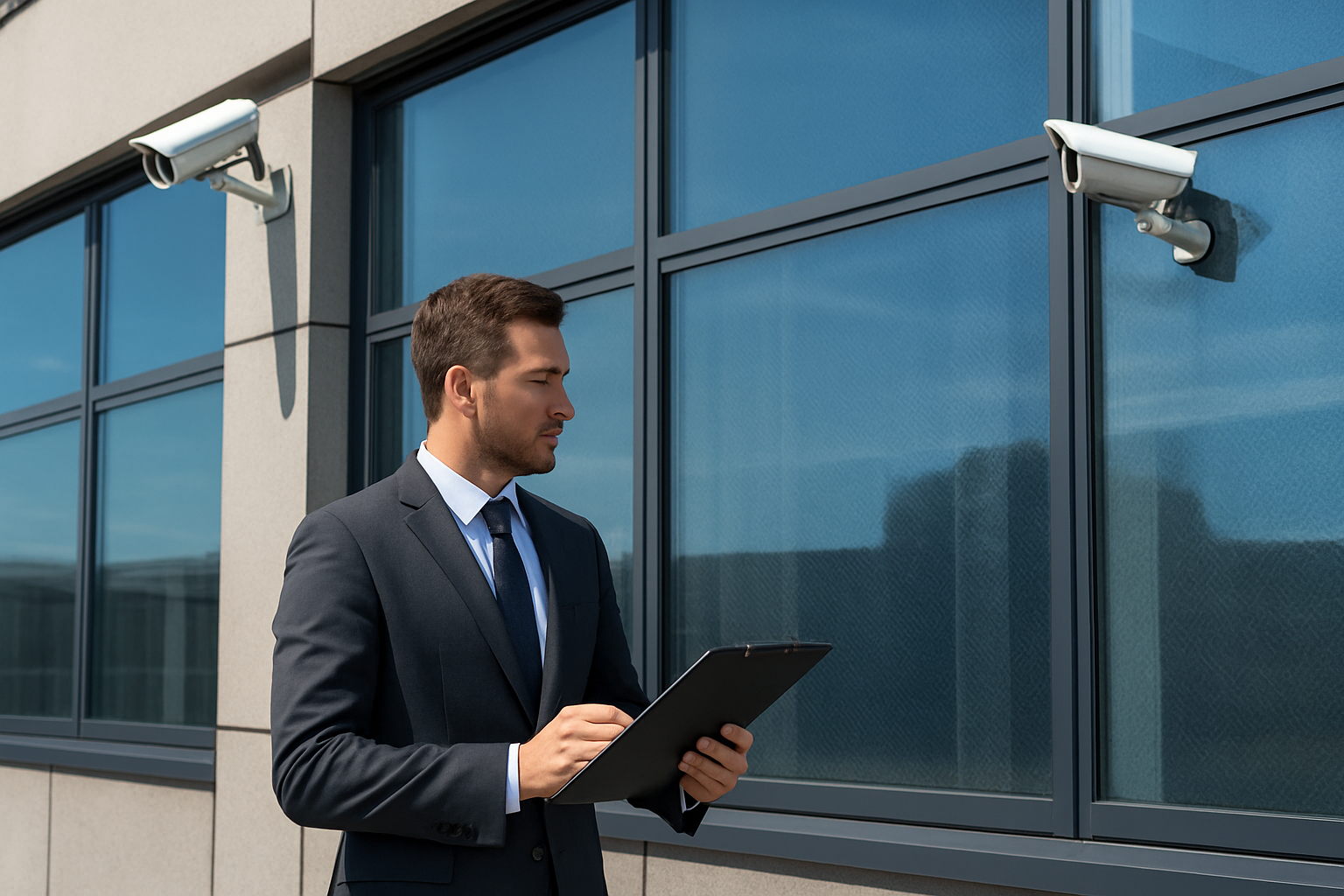
Combining Films with Reinforced Locking Systems
While window security films provide a crucial first line of defense against break-ins, their effectiveness multiplies when integrated with reinforced locking mechanisms. Security films work by holding glass fragments together upon impact, creating a barrier that delays intruders and prevents immediate entry. However, as noted in professional security guidelines, these films alone do not prevent property damage or stop determined intruders entirely.
The most effective approach combines high-quality security films with robust window and door frame reinforcements. Quality frames play a critical role in the overall security system, as weak frames can be easily compromised regardless of film strength. When selecting locking systems, consider multi-point locks for doors and reinforced strike plates that distribute force across the entire frame structure.
Integration with Alarm Systems and Glass Break Sensors
Previously established security films gain significant enhancement when paired with sophisticated alarm systems. Glass break sensors work synergistically with security films by detecting the initial impact or vibration patterns that occur when someone attempts to breach protected windows. While the film delays entry by holding glass fragments together, the sensors immediately trigger alarm protocols.
Modern glass break detection technology can differentiate between accidental impacts and deliberate break-in attempts. When coordinating with security professionals, ensure that sensor placement accounts for the film’s sound-dampening properties, as some security films may slightly alter the acoustic signature of breaking glass. This integration creates a comprehensive detection and delay system that maximizes response time for security personnel or law enforcement.
Coordinating with Surveillance and Lighting Solutions
Now that we have covered the foundational security elements, surveillance integration becomes essential for complete protection. Security cameras positioned to monitor film-protected windows should account for potential glare or reflection changes that window films might create. Professional installers recommend testing camera angles and lighting conditions after film installation to ensure optimal surveillance coverage.
Lighting solutions work hand-in-hand with security films to eliminate blind spots and deter potential intruders. Motion-activated lighting around protected windows creates psychological deterrence while ensuring that surveillance equipment captures clear footage. The proximity of impact occurrence, as referenced in security specifications, affects the overall effectiveness of these coordinated systems.
Using Deterrent Signage and Preventative Measures
With this comprehensive approach in mind, deterrent signage serves as the final layer of psychological protection. Clearly visible signs indicating the presence of security film, alarm systems, and surveillance equipment often discourage opportunistic intruders before they attempt entry. Professional security assessments recommend positioning signage where it’s immediately visible to potential threats while maintaining the aesthetic appeal of the office environment.
Preventative measures extend beyond visible deterrents to include regular maintenance protocols and staff training. Security professionals emphasize that the combination of physical barriers, detection systems, and human awareness creates the most robust protection strategy. Regular inspection of film integrity, alarm system functionality, and surveillance equipment ensures that all components work together effectively to protect your office investment.
Window film installation for offices offers significant advantages that extend far beyond simple aesthetics. From reducing energy bills by up to 30% to enhancing privacy and security, professional installation ensures optimal performance and longevity. Understanding the different types of films available—whether for solar control, privacy, or security—allows businesses to select solutions that address their specific needs while maximizing return on investment.
The key to successful window film implementation lies in professional expertise and proper maintenance practices. While DIY installation might seem cost-effective, professional services provide precision application, warranty protection, and the technical knowledge to avoid common mistakes that reduce film effectiveness. By choosing the right film type, ensuring expert installation, and following proper care guidelines, offices can transform their work environment while achieving substantial energy savings and improved comfort for years to come.