
Nigerian homeowners face serious security and financial risks that most don’t realize until it’s too late. Your home’s windows are essentially open invitations to criminals and costly damage from Nigeria’s harsh climate conditions.
This guide is for property owners, security-conscious families, and anyone looking to protect their investment in Nigerian real estate. You’ll discover why window film isn’t just a luxury upgrade but a necessity for home protection.
We’ll break down the most common ways burglars target unprotected windows in Nigerian neighborhoods and how our extreme weather patterns can destroy your glass windows and everything inside. You’ll also learn how window film works as a multi-layer shield that stops both security threats and climate damage before they cost you thousands of naira in repairs and replacements.
Security Vulnerabilities in Nigerian Homes
Lack of Privacy Protection from Prying Eyes
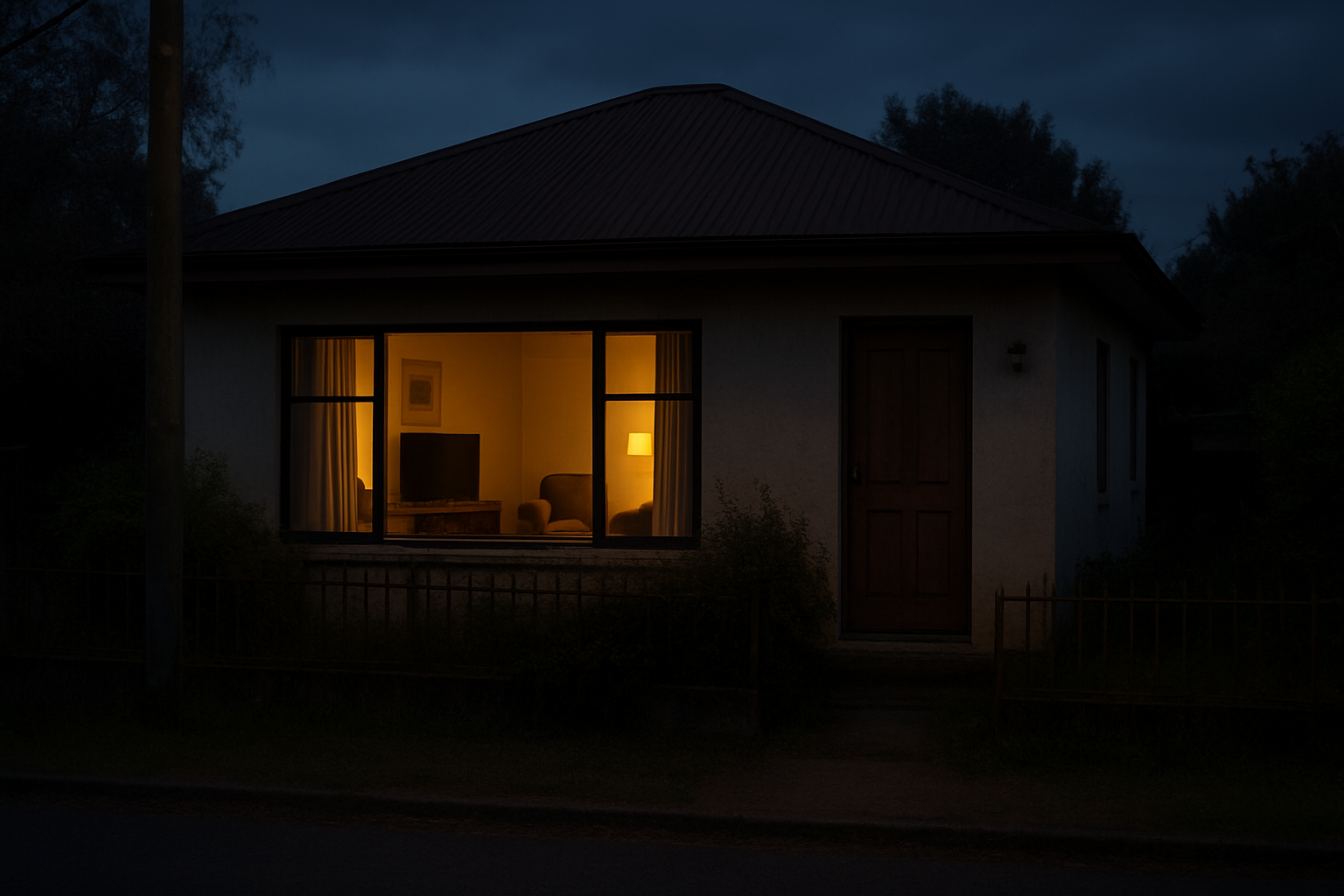
Nigerian homes with unfilmed windows become open books for anyone walking by. Picture this: you’re relaxing in your living room after a long day, and neighbors, delivery personnel, or complete strangers can see everything you’re doing. This constant exposure creates an uncomfortable living environment where families never truly feel secure in their own space.
The problem gets worse in densely populated areas common across Nigerian cities like Lagos, Abuja, and Port Harcourt. Multi-story buildings and closely spaced homes mean your windows face directly into other properties. Without protective window film, your daily routines become entertainment for others. Children playing, family meals, and private conversations all happen under unwanted observation.
This visibility issue particularly affects ground-floor apartments and bungalows where windows sit at eye level. Passersby can easily peer inside during both day and night hours. Many homeowners resort to keeping curtains drawn constantly, which blocks natural light and makes homes feel cramped and dark.
Easy Visibility of Valuable Items from Outside
Clear, unprotected windows turn your home into a showcase for burglars shopping for their next target. Electronics, jewelry, artwork, and other valuable possessions become clearly visible to anyone with bad intentions. That new flat-screen TV positioned perfectly in your living room? It’s like putting up a billboard advertising what’s worth stealing.
Nigerian households often display status symbols in main living areas – expensive furniture, imported appliances, or decorative items that signal wealth. Without window film to obscure these views, criminals can conduct detailed surveillance from the street. They can map out your home’s layout, identify entry points, and plan their approach without ever stepping foot on your property.
The risk multiplies when considering seasonal patterns. During harmattan season when dust settles on windows, the contrast actually makes interior lighting and objects more visible from outside during evening hours. Burglars use this enhanced visibility to time their break-ins when valuable items are most accessible.
Weak Points in Home Security Systems
Even homes equipped with security cameras, alarms, and gates have a critical weakness: unprotected windows create visual access points that compromise the entire security setup. Criminals can observe camera positions, study alarm panel locations, and identify security blind spots simply by looking through clear glass.
Standard security measures like burglar bars and window grilles provide physical protection but do nothing to prevent visual reconnaissance. Smart criminals spend time studying potential targets, learning family schedules and identifying when homes are most vulnerable. Unfilmed windows give them all the intelligence they need.
The combination of visible interiors and observable security equipment creates a perfect storm for home invasions. Burglars know exactly what they’re after, where to find it, and how to avoid detection systems. This advance knowledge dramatically increases their success rates and reduces the time they need to spend inside your home.
Increased Risk During Daylight Hours
Most homeowners assume break-ins happen under cover of darkness, but Nigerian crime statistics tell a different story. Daylight burglaries are increasingly common because criminals can see clearly into homes and verify when properties are empty. School hours and typical work schedules create predictable windows of opportunity.
During bright daytime hours, unfilmed windows offer crystal-clear views of empty homes. Criminals can confirm nobody’s home, identify the most valuable items, and plan efficient entry and exit strategies. This visual confirmation reduces their risk of encountering resistance or getting caught in the act.
The problem intensifies in neighborhoods where domestic staff, delivery personnel, and service providers have regular access. These individuals, while often trustworthy, may inadvertently share information about home layouts, valuable possessions, or family schedules with others. Clear windows make it easy for anyone to verify and update this intelligence.
Weekend patterns also create vulnerability. Many Nigerian families travel to visit relatives or attend social events, leaving homes empty for extended periods. Unprotected windows make it obvious when these absences occur, practically inviting criminal activity during what should be rest and relaxation time.
Common Break-in Methods Targeting Unprotected Windows
Window Smashing for Quick Entry
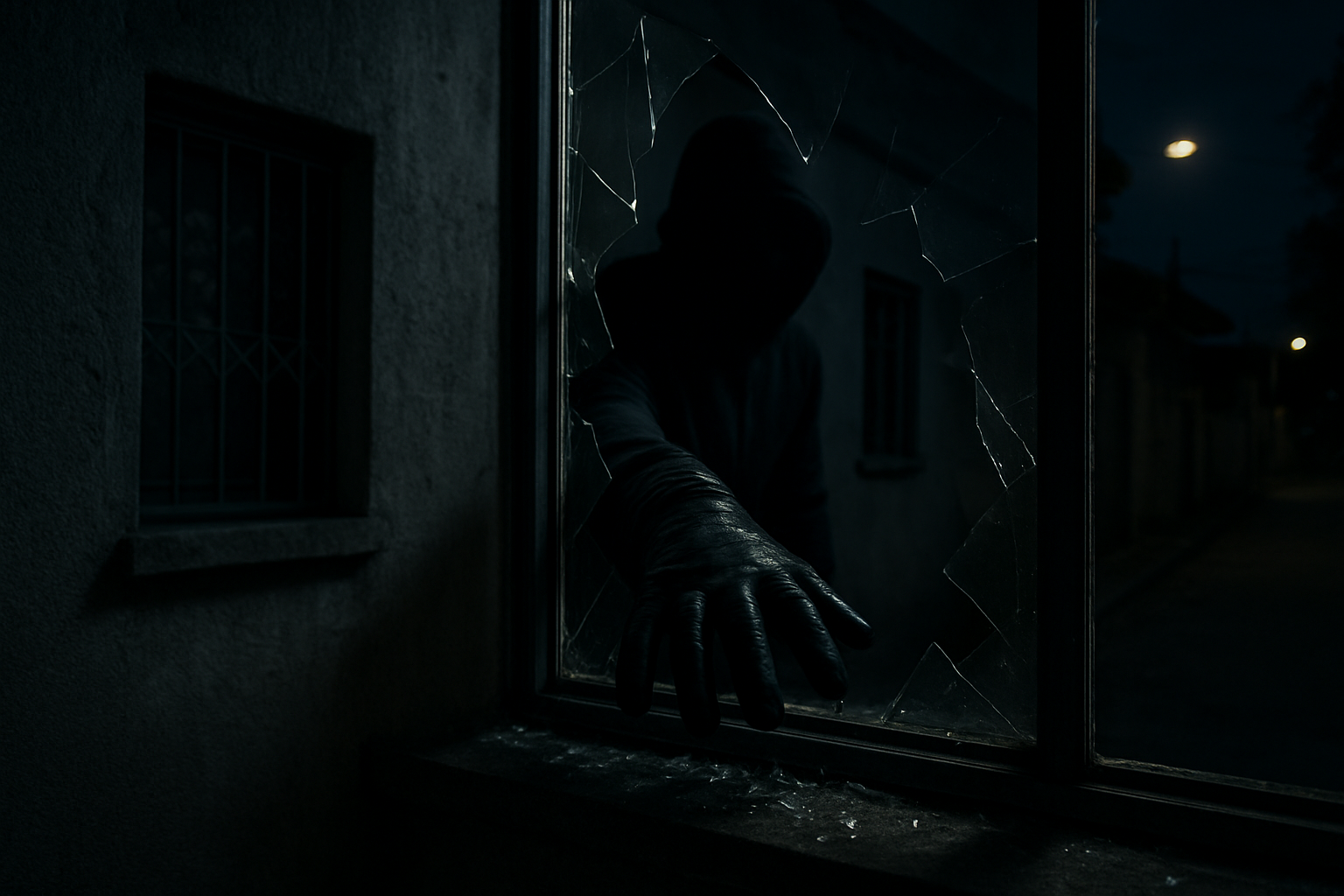
Burglars in Nigeria have refined window smashing into a quick, effective entry method that takes advantage of standard glass vulnerability. Most Nigerian homes use regular float glass or basic tempered glass that shatters into large, sharp fragments when struck with force. Criminals typically target windows on ground floors, especially those hidden from street view or neighbor observation.
The technique involves using everyday objects like rocks, hammers, or metal tools to create an opening large enough to climb through. Professional thieves often carry specialized tools like spring-loaded center punches or ceramic fragments that can break glass quietly with minimal effort. These tools create spider-web cracks that spread quickly across the entire window surface.
Security footage from Nigerian residential areas shows that experienced intruders can break a standard window and enter a home in under 30 seconds. They target specific areas like bathroom windows, back bedroom windows, or kitchen windows that homeowners often leave unprotected. The speed of entry means that even homes with security alarms may be compromised before help arrives.
Glass Cutting Techniques Used by Intruders
Sophisticated burglars employ glass cutting methods that create silent, controlled entry points without triggering noise-based security systems. Professional glass cutters, originally designed for legitimate glazing work, have become common tools in break-ins across Lagos, Abuja, and other major Nigerian cities.
The cutting process involves scoring the glass surface with a diamond-tipped or carbide wheel cutter, then applying pressure to create a clean break. Skilled intruders can remove entire window sections, creating large openings while leaving the window frame intact. This method proves particularly effective on older Nigerian homes with single-pane windows or poorly maintained double glazing.
Thieves often use suction cups to prevent glass pieces from falling and making noise during the cutting process. They target windows in quiet residential areas during daytime hours when neighbors assume any glass-related sounds come from legitimate construction or maintenance work.
Surveillance Through Clear Glass Before Attacks
Unprotected windows provide criminals with perfect observation points to study household routines, security measures, and valuable items before planning their attacks. Clear glass windows act like one-way mirrors during daylight hours, allowing outside observers to see everything inside while remaining virtually invisible to occupants.
Criminal surveillance teams often position themselves in vehicles or nearby locations to monitor homes through exposed windows. They track family schedules, identify when homes are empty, locate security cameras, and spot valuable electronics, jewelry, or cash. This intelligence-gathering phase can continue for days or weeks before an actual break-in attempt.
Nigerian homes with large windows facing streets or compounds become particularly vulnerable to this surveillance method. Criminals can observe daily routines like children leaving for school, adults departing for work, and domestic staff schedules. They also identify security blind spots and determine the best times for entry when detection risks are lowest.
Modern smartphones with zoom capabilities have made window-based surveillance even more effective, allowing criminals to photograph home interiors and security setups from significant distances without drawing attention.
Climate-Related Risks for Exposed Glass Windows
Intense UV Radiation Damage to Interiors
Nigeria’s proximity to the equator means homes face relentless ultraviolet radiation year-round. The sun’s rays penetrate unprotected glass windows with devastating effects on interior furnishings, flooring, and artwork. Leather furniture begins cracking within months, while wooden surfaces fade and warp from constant UV exposure. Carpets lose their vibrant colors, turning dull and patchy in areas where sunlight hits directly.
The damage extends beyond aesthetics. UV rays break down the molecular structure of fabrics, causing curtains and upholstery to become brittle and tear easily. Electronics suffer too – TV screens develop dead pixels, and plastic components yellow and become fragile. Family photographs displayed near windows fade beyond recognition, erasing precious memories forever.
Without protective window film, Nigerian homeowners face constant replacement costs for deteriorated furnishings. A single unfiltered window can cause thousands of naira in damage annually, making UV protection not just about comfort but financial preservation.
Extreme Heat Penetration Increasing Cooling Costs
Unfilmed windows transform homes into furnaces during Nigeria’s scorching dry seasons. Glass surfaces absorb and radiate heat throughout the day, creating unbearable indoor temperatures that force air conditioning systems to work overtime. The greenhouse effect becomes particularly pronounced in rooms with large windows or glass doors.
Electricity bills skyrocket as cooling systems struggle against the constant heat invasion. Many Nigerian families spend up to 70% of their monthly energy budget on air conditioning alone. Split units burn out faster under the strain, requiring expensive repairs or replacements. Fans become ineffective against the radiant heat, merely circulating hot air around rooms.
The thermal stress affects more than comfort. Electronic devices overheat and malfunction, reducing their lifespan significantly. Food spoils faster in kitchens with unprotected windows, leading to waste and health concerns. Sleep quality deteriorates in bedrooms where temperatures remain elevated well into the night.
Sudden Weather Changes Causing Glass Stress
Nigeria’s climate brings rapid temperature fluctuations that create dangerous stress on unprotected glass surfaces. Morning temperatures can soar from cool dawn conditions to blazing midday heat within hours. This thermal shock causes expansion and contraction cycles that weaken glass integrity over time.
The stress manifests as hairline cracks that spread gradually, compromising window structural strength. During rainy seasons, the contrast between hot glass surfaces and cold rainwater creates additional thermal shock. Windows become vulnerable to complete failure during storms or strong winds.
Regional weather patterns add complexity. Coastal areas experience salt-laden humidity that corrodes window frames while inland regions face dust storms that sandblast glass surfaces. These conditions accelerate deterioration and increase replacement frequency.
Harmattan Season Debris Impact Risks
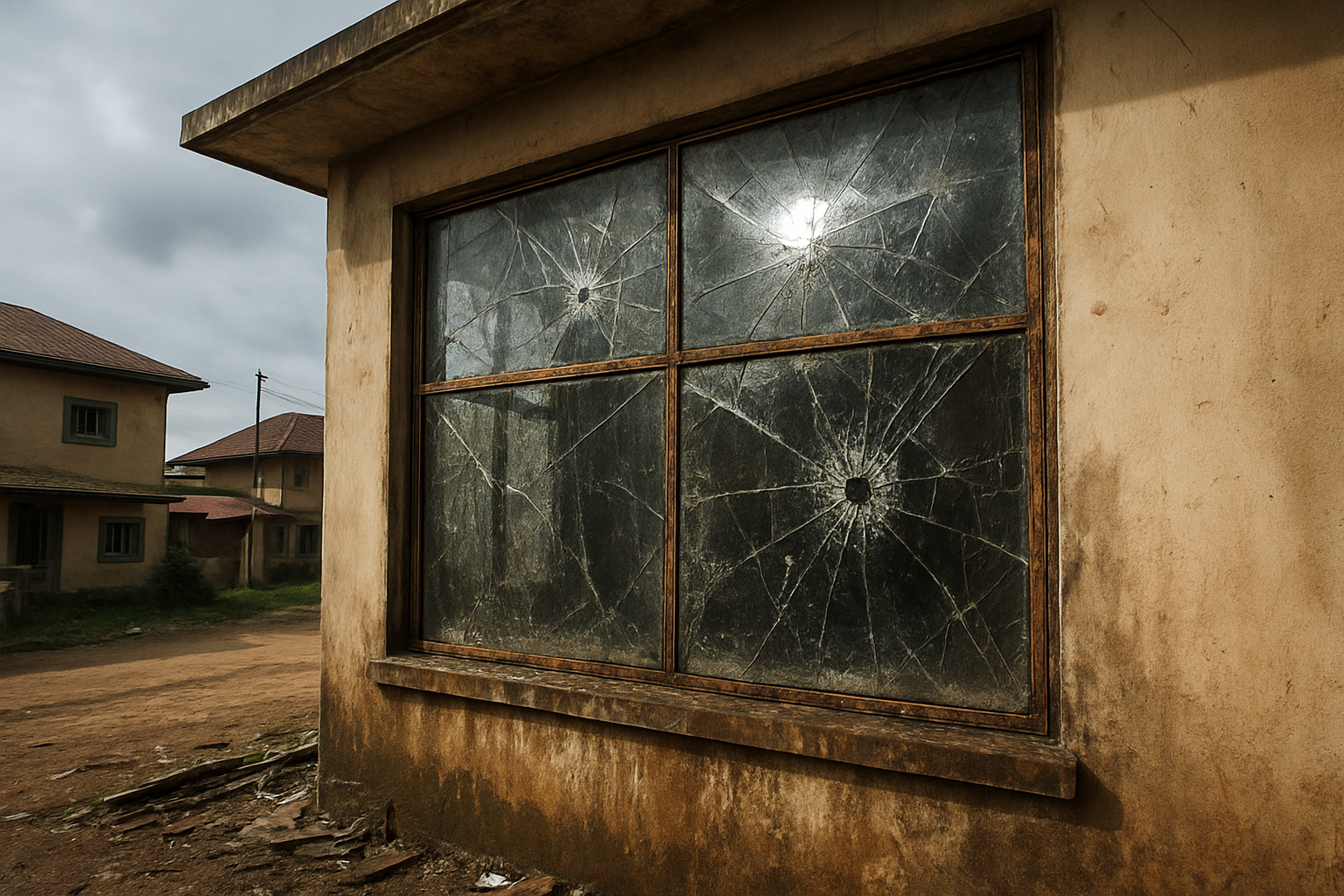
The annual Harmattan winds bring more than dry air – they carry sand, dust, and debris at high velocities across Nigeria. Unprotected windows face constant bombardment from airborne particles that create micro-scratches and pitting on glass surfaces. Over time, this sandblasting effect reduces visibility and weakens structural integrity.
Flying debris during Harmattan season poses serious safety risks. Tree branches, roofing materials, and construction debris become projectiles during strong wind episodes. Unfilmed glass offers minimal protection, shattering into dangerous shards that can cause severe injuries to occupants.
The economic impact extends beyond window replacement. Cleanup costs after debris strikes can be substantial, especially when glass fragments scatter throughout rooms. Insurance claims often exclude Harmattan-related damage, leaving homeowners to bear full replacement costs for windows, damaged furnishings, and property repairs.
Financial Losses from Unfilmed Windows
Higher Electricity Bills from Excessive Heat Gain
Windows without protective film turn Nigerian homes into energy-sucking furnaces. Direct sunlight streaming through unfiltered glass forces air conditioning systems to work overtime, especially during the scorching dry season. A typical 3-bedroom home can see electricity bills spike by 30-40% when windows lack proper UV and heat protection.
The science is straightforward: unfilmed windows allow up to 85% of solar heat to enter your home. This heat builds up throughout the day, making indoor temperatures unbearable and pushing cooling systems beyond their limits. NEPA bills become particularly painful during peak summer months when outdoor temperatures regularly exceed 35°C.
Quality window film blocks up to 80% of heat-causing infrared rays while still allowing natural light to brighten your space. Homeowners who invest in professional window filming typically recover their costs within 18-24 months through reduced energy consumption alone.
Furniture and Electronics Damage from UV Exposure
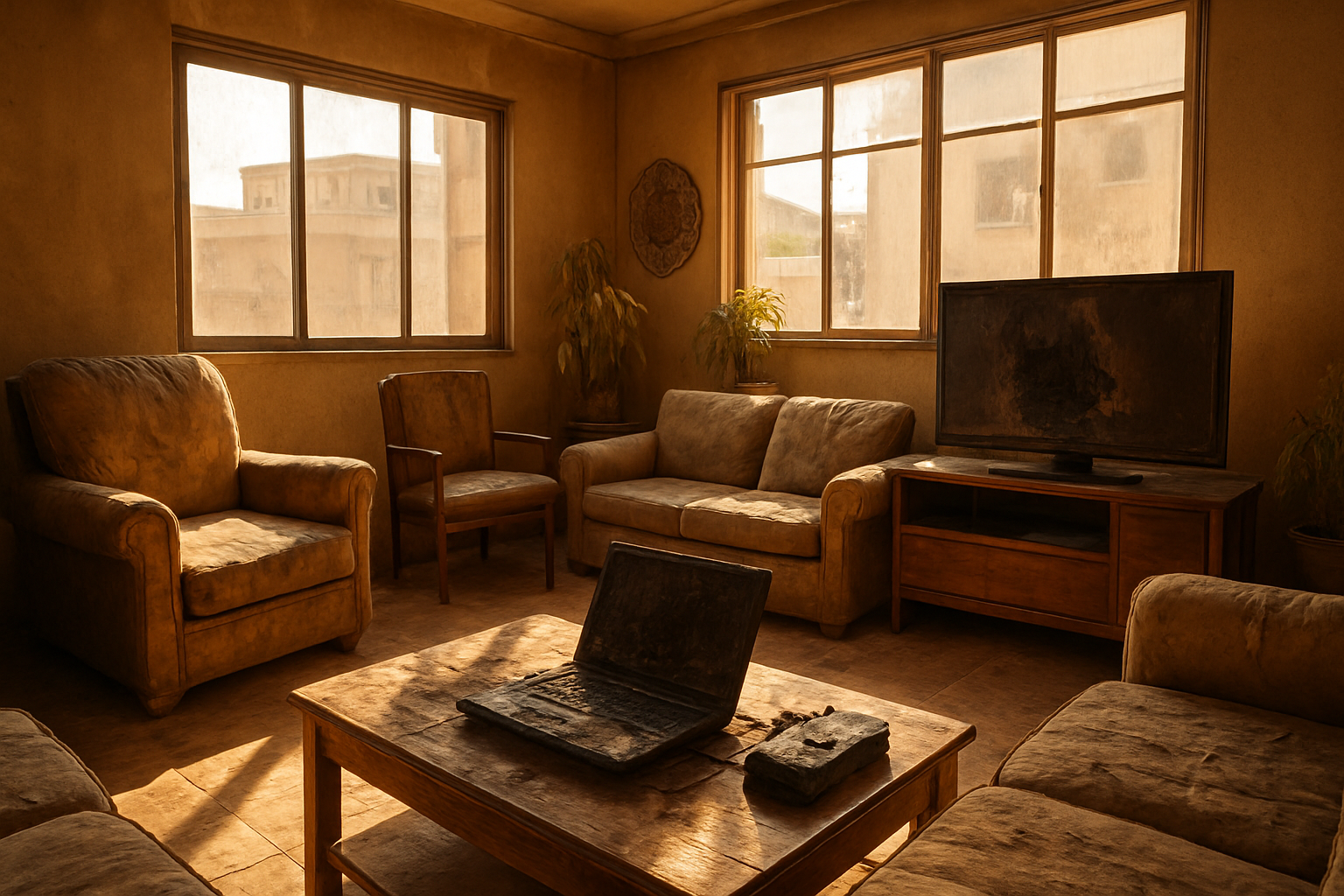
Ultraviolet rays silently destroy valuable household items every day. That expensive leather sofa, imported wooden dining set, or plasma TV gradually fades and deteriorates when exposed to direct sunlight through unprotected windows. UV damage is permanent and often goes unnoticed until significant deterioration has already occurred.
Electronics suffer particularly severe damage in Nigeria’s intense sunlight. LCD screens develop dead pixels, plastic components become brittle and crack, and internal circuits overheat more frequently. A ₦500,000 entertainment system can lose half its value within two years of constant UV exposure.
Textiles and fabrics face similar threats. Curtains, carpets, and upholstery fade unevenly, creating unsightly patches that force premature replacement. Premium fabrics imported from abroad become especially costly to replace when UV damage sets in.
Theft Losses Due to Visible Valuables
Crystal-clear windows create perfect display cases for criminals casing neighborhoods. Expensive electronics, jewelry, artwork, and other valuables become easily visible from the street, essentially advertising potential theft targets. This visibility problem becomes particularly acute in Nigerian urban areas where property crime rates continue climbing.
Professional burglars often spend days or weeks observing target homes, noting valuable items visible through windows and tracking residents’ daily routines. Unfilmed windows make this surveillance effortless and increase the likelihood of targeted break-ins.
Window film provides crucial privacy protection while maintaining natural light levels. Reflective and tinted films create one-way visibility, allowing homeowners to see out while preventing outsiders from peering in. This simple modification removes the visual incentive that draws criminals to specific properties.
Costly Window Replacements After Break-ins
Standard residential glass offers minimal security against determined intruders. A single well-placed blow from a hammer, stone, or metal bar can shatter most home windows within seconds. Replacement costs for quality windows in Nigeria range from ₦25,000 to ₦100,000 per window, depending on size and glass type.
Security window films significantly increase glass strength and shatter resistance. When properly installed, these films hold glass fragments together even after impact, making forced entry much more difficult and time-consuming. The extra seconds or minutes required to breach filmed windows often deter criminals who prefer quick, silent entries.
The psychological deterrent effect proves equally valuable. Criminals recognize security film installations and typically move on to easier targets rather than risk extended exposure while attempting to breach protected windows.
How Window Film Creates Multi-Layer Protection
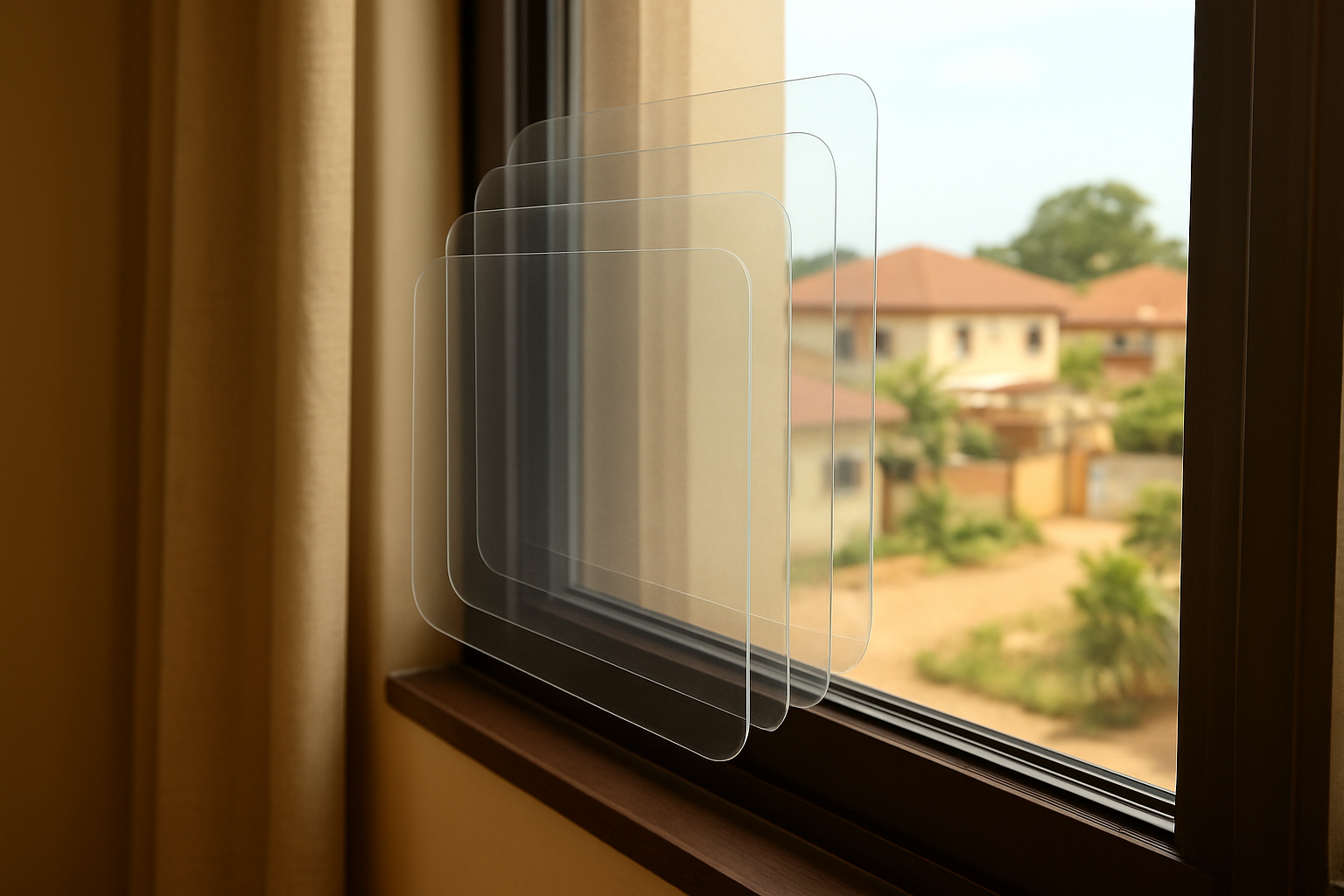
Enhanced privacy without blocking natural light
Window film offers the perfect balance between privacy and brightness that Nigerian homeowners desperately need. Unlike heavy curtains or blinds that block out precious natural light, quality window films create a one-way visibility effect during daytime hours. People inside can see out clearly while outsiders struggle to peer into your home, even when standing close to the glass.
This privacy protection works especially well for ground-floor windows, bathroom windows, and rooms facing busy streets. The film’s reflective properties mirror the outside environment, making it nearly impossible for potential intruders to scout your home’s interior layout or identify valuable items. Many Nigerian families report feeling more comfortable leaving their curtains open during the day, allowing natural light to flood their living spaces without compromising security.
The technology behind privacy films has advanced significantly, offering various opacity levels to match different needs. You can choose frosted films for complete privacy in bathrooms, or lightly tinted versions that maintain clear views while reducing visibility from outside.
Reinforced glass strength against impact
Security window films transform ordinary glass into a formidable barrier against forced entry attempts. The polyester-based films bond directly to glass surfaces, creating a flexible yet incredibly strong membrane that holds shattered pieces together even under severe impact.
When someone tries to break a filmed window with a hammer, rock, or other blunt object, the glass may crack but won’t fall apart into dangerous shards. Instead, the film keeps everything intact, creating a spider web effect that maintains the window’s structural integrity. This gives homeowners precious extra time to respond to break-in attempts and makes thieves think twice about continuing their efforts.
Testing shows that security films can withstand impacts of up to 400 foot-pounds of force – equivalent to someone swinging a sledgehammer with considerable strength. The film stretches and absorbs energy rather than allowing immediate penetration, buying you minutes that could mean the difference between a successful break-in and a failed attempt.
Professional-grade security films also resist cutting and tearing, making it extremely difficult for intruders to create entry points even with knives or sharp tools.
UV filtering preserves interior investments
Nigeria’s intense tropical sun produces harmful ultraviolet rays that silently destroy your home’s interior furnishings year-round. Without protection, expensive furniture, artwork, carpets, and fabrics fade and deteriorate rapidly, forcing costly replacements every few years.
Quality window films block up to 99% of UV radiation while allowing visible light to pass through normally. This invisible protection preserves the vibrant colors of your sofa sets, prevents wooden furniture from cracking and warping, and keeps family photographs from yellowing over time.
The financial benefits add up quickly. A leather sofa that might last 15 years with UV protection could need replacement in just 5-7 years under direct sun exposure. Imported hardwood furniture, popular in Nigerian homes, maintains its rich appearance and structural integrity much longer when shielded from UV damage.
Skin protection represents another crucial benefit often overlooked. UV rays penetrate regular glass and contribute to premature aging and skin cancer risk, especially for family members who spend time near windows during peak sun hours.
Heat reduction improves energy efficiency
Nigerian households face mounting electricity bills largely due to air conditioning costs during hot seasons. Window film dramatically reduces solar heat gain, cutting cooling expenses by 15-30% in typical homes.
The film works by reflecting infrared radiation before it enters your home, preventing the greenhouse effect that turns rooms into ovens during midday hours. Rooms stay noticeably cooler even without air conditioning running, making living spaces more comfortable for families on tight budgets.
Different film types offer varying heat rejection levels. Ceramic films provide excellent heat reduction without interfering with mobile phone signals or GPS devices, while metallic films offer maximum cooling benefits for rooms with intense sun exposure.
Smart homeowners calculate the payback period for window film installation through energy savings alone – typically recovering their investment within 2-3 years through reduced electricity bills.
Professional appearance increases property value
Well-installed window film enhances your home’s curb appeal with a sleek, uniform appearance that suggests quality and attention to detail. Properties with professional window treatments consistently command higher market values and attract more serious buyers.
The clean lines and consistent tinting across all windows create an upscale aesthetic that neighbors notice immediately. This professional look signals that the property has been well-maintained and upgraded thoughtfully, increasing perceived value beyond the actual installation cost.
Real estate professionals report that homes with security features like window film sell faster and often receive multiple offers. Buyers appreciate the immediate benefits and lower ongoing costs associated with energy-efficient, secure properties.
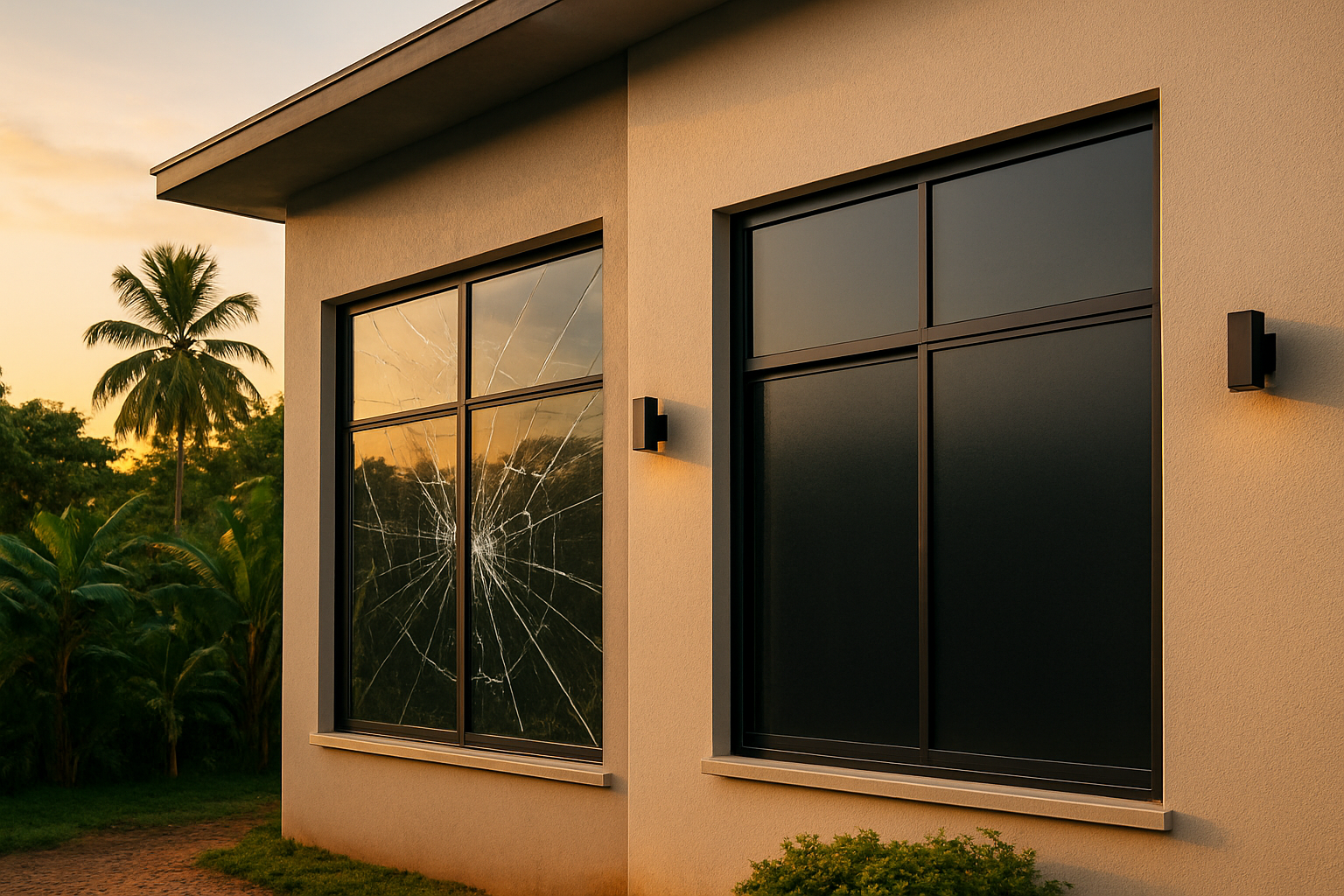
Most Nigerian homes remain sitting ducks for burglars and harsh weather conditions because their windows lack basic protection. Glass windows without film make it incredibly easy for intruders to scope out valuables inside, break in quickly, and escape undetected. The scorching sun and unpredictable weather patterns also wreak havoc on furniture, electronics, and flooring, leading to costly replacements that could have been avoided.
Window film transforms your home into a fortress that deters criminals while shielding your belongings from damaging UV rays and extreme temperatures. The investment in quality window film pays for itself through reduced energy bills, protected furnishings, and most importantly, the peace of mind that comes with knowing your family and property are secure. Don’t wait until you become another break-in statistic – protect your home with window film today.