
Building owners across the country are quietly upgrading their windows with blast-proof window film — and for good reason. This advanced security technology protects commercial properties, schools, and government buildings from explosive threats while remaining virtually invisible to occupants and visitors.
This guide is for building owners, facility managers, and security professionals who need practical information about anti-blast window film solutions.
We’ll walk you through the essential security benefits that make this film a smart investment for property protection. You’ll also learn about the professional installation process and specific requirements that ensure maximum effectiveness. Finally, we’ll break down the cost comparison between window film and other security upgrades to help you make an informed decision for your building.
Understanding Anti-Blast Window Film Technology
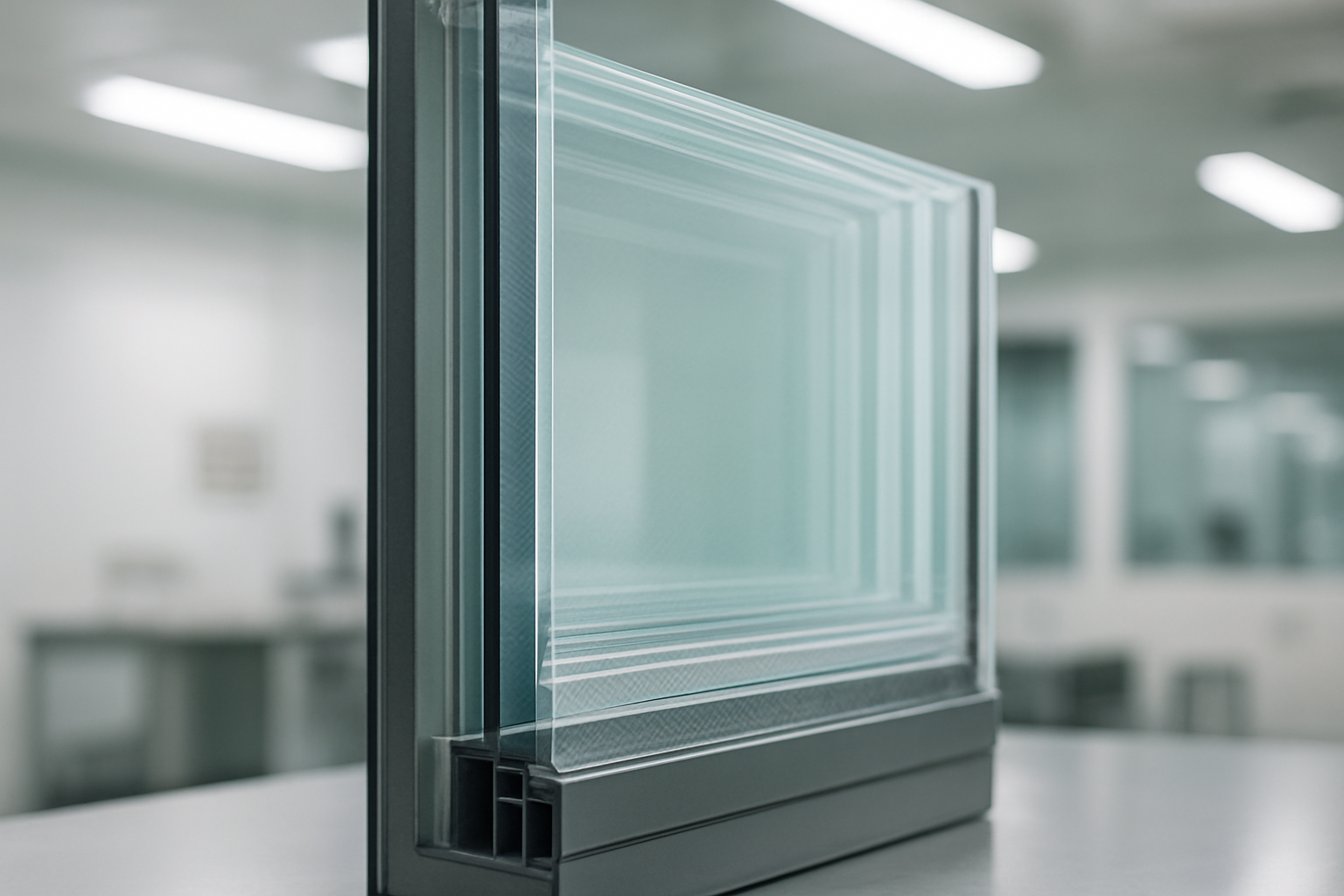
How blast-resistant films absorb and redistribute impact energy
Anti-blast window films work on a brilliant principle: instead of letting glass shatter into dangerous projectiles, they hold everything together while spreading the force across the entire window surface. When an explosion or impact hits a window, the film acts like a safety net that catches the glass fragments and keeps them bonded to the protective layer.
The energy absorption happens through controlled deformation. The film stretches and flexes under pressure, converting destructive kinetic energy into manageable elastic energy. This process significantly reduces the peak force that would normally cause catastrophic glass failure. The film essentially transforms a violent, instant fracture into a slower, more controlled response that maintains the window’s structural integrity.
What makes this technology particularly effective is how it redistributes impact forces away from the initial point of contact. Instead of concentrating all the energy in one spot, the film spreads it across the entire glazed area and transfers loads to the window frame. This redistribution prevents the typical failure pattern where glass explodes inward, creating deadly shards that can cause severe injuries or property damage.
Multi-layer construction and adhesive bonding systems
Modern blast-resistant films feature sophisticated multi-layer construction that combines different materials for maximum protection. The base layer typically consists of polyester (PET) films that provide tensile strength and optical clarity. These layers are precisely engineered with varying thicknesses, usually ranging from 7 to 15 mils, depending on the required protection level.
The adhesive system represents the most critical component of the entire assembly. Premium films use pressure-sensitive adhesives (PSA) that create molecular bonds with the glass surface. These adhesives must maintain their grip under extreme conditions while allowing for the controlled energy absorption that makes the system effective. Some advanced systems incorporate multiple adhesive layers with different properties – some designed for initial bonding, others for maintaining cohesion under stress.
Manufacturing these films requires precise lamination processes that eliminate air bubbles and ensure uniform adhesion between layers. The outer surface often includes specialized coatings that provide UV protection, scratch resistance, and easy maintenance. Some high-end products feature metalized layers that add solar heat rejection properties, making them dual-purpose security and energy efficiency solutions.
| Film Component | Material | Primary Function |
|---|---|---|
| Base Layer | Polyester (PET) | Structural strength |
| Adhesive System | Pressure-sensitive adhesive | Glass bonding |
| Protective Coating | Specialized polymers | UV/scratch protection |
| Optional Features | Metal oxides | Solar control |
Key performance standards and certification requirements
The security film industry operates under strict testing protocols that simulate real-world blast conditions. The most recognized standard comes from the General Services Administration (GSA), which developed FS-3027 specifications for glazing systems in federal buildings. These tests subject film-protected windows to explosive charges at controlled distances and measure the resulting damage and debris patterns.
ASTM standards also play a major role in certification, particularly ASTM F1233 for security glazing materials and ASTM F2248 for ballistic-resistant protective materials. These standards define specific test methods, performance criteria, and classification systems that help building owners select appropriate protection levels for their specific threat assessments.
International standards like EN 13541 provide additional frameworks for European markets, while military specifications such as MIL-DTL-3027 establish requirements for defense applications. Each standard addresses different aspects of performance:
- Blast resistance: Measured by explosive equivalent and standoff distance
- Fragment retention: Percentage of glass pieces that remain attached to the film
- Penetration resistance: Ability to prevent projectile breakthrough
- Optical properties: Light transmission and clarity requirements
- Durability: Long-term performance under environmental stress
Certification involves rigorous testing at accredited laboratories where windows are subjected to controlled explosions or high-velocity impacts. The results determine the film’s protection classification and help specify appropriate applications for different security levels.
Essential Security Benefits for Property Protection
Prevents glass fragmentation during explosions
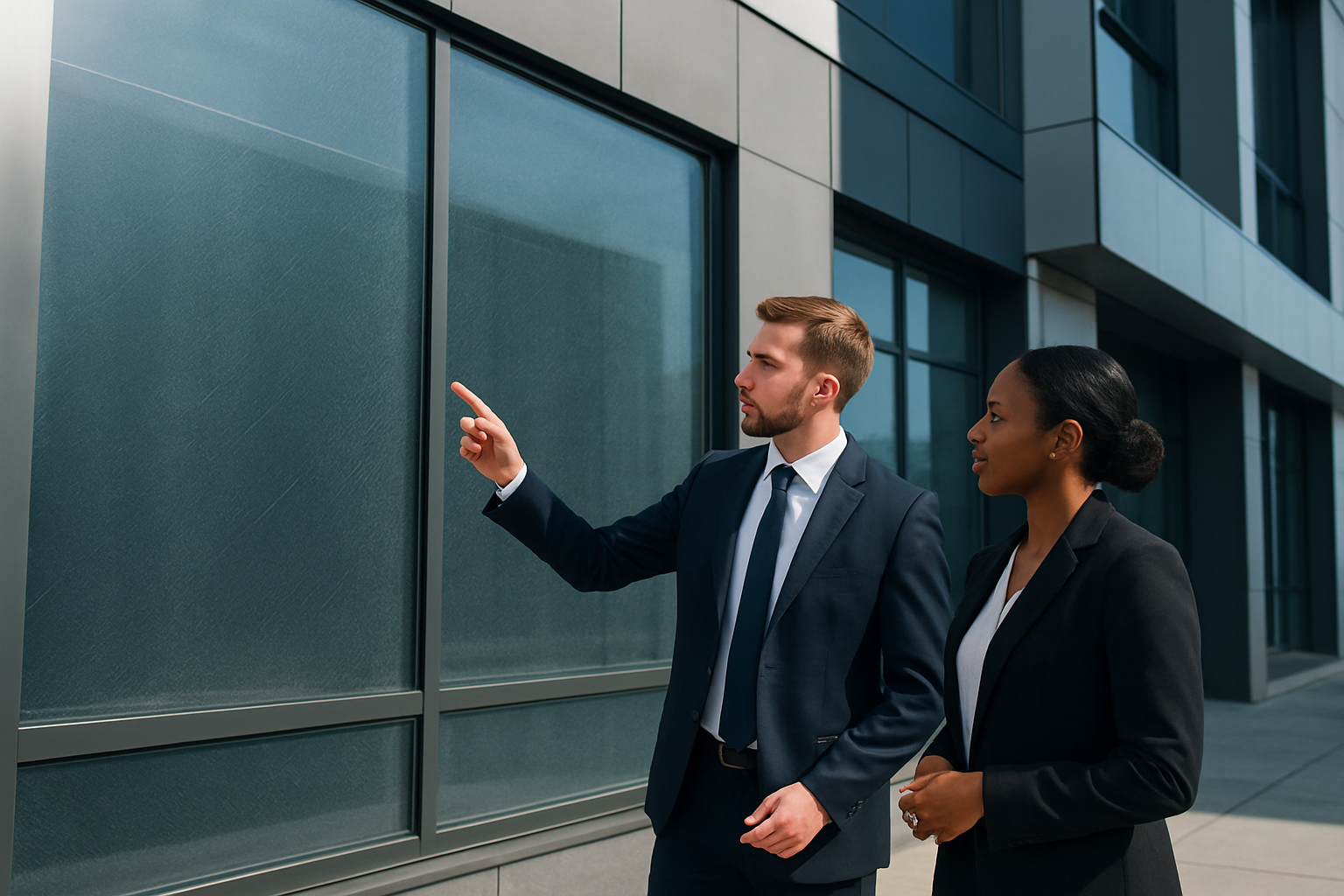
When an explosion occurs near a building, traditional glass windows become deadly projectiles that can cause catastrophic injuries and property damage. Anti-blast window film creates a powerful adhesive bond with the glass surface, keeping shattered pieces together even under extreme force. The film’s polymer composition acts like a safety net, capturing glass fragments that would otherwise become high-velocity missiles.
Standard windows typically explode outward or inward during blast events, sending razor-sharp shards flying at dangerous speeds. The specialized film technology transforms this deadly scenario by maintaining the glass in a cohesive sheet, dramatically reducing the number of individual fragments that can cause harm. This protective barrier works immediately upon impact, requiring no activation time or special conditions to function effectively.
Maintains structural integrity under extreme pressure
The reinforced film system strengthens window assemblies beyond their original design specifications. When blast pressure waves hit protected windows, the film distributes the force across the entire glass surface rather than allowing concentrated stress points to develop. This load distribution prevents catastrophic failure modes that typically occur in unprotected glazing systems.
Professional-grade films can withstand pressure differentials exceeding 10 PSI, equivalent to forces generated by significant explosive events. The film’s elasticity allows windows to flex and absorb energy without completely failing, maintaining their role as building envelope components even after sustaining impact. This structural preservation helps maintain climate control and prevents secondary damage from weather exposure.
Reduces injury risk from flying glass debris
Emergency room statistics show that flying glass causes up to 75% of blast-related injuries in building incidents. Anti-blast film directly addresses this primary threat by eliminating the source of most projectile injuries. The film keeps glass fragments contained within the window frame or causes them to fall as larger, less dangerous pieces rather than sharp individual shards.
Medical professionals consistently report that victims in film-protected buildings experience significantly fewer lacerations and penetrating injuries during blast events. The reduction in airborne glass debris also improves evacuation safety, allowing occupants to move through affected areas without navigating fields of broken glass. This protection extends beyond the immediate blast zone, preventing secondary injuries that occur when people step on or contact scattered glass fragments during emergency response activities.
Provides continued barrier protection after impact
Unlike traditional windows that completely fail after blast exposure, film-protected glazing maintains its barrier function even after sustaining damage. The film holds the glass assembly in place, continuing to provide weather protection and security against unauthorized entry. This ongoing protection proves especially valuable during the critical hours following an incident when buildings remain vulnerable to additional threats.
The maintained barrier also preserves interior environmental conditions, preventing damage to sensitive equipment, documents, or inventory from weather exposure. Emergency responders appreciate this continued protection because it allows them to focus on life safety operations rather than immediate building security concerns. Property owners benefit from reduced secondary damage costs and faster recovery times when their glazing systems remain partially functional after blast events.
Professional Installation Process and Requirements
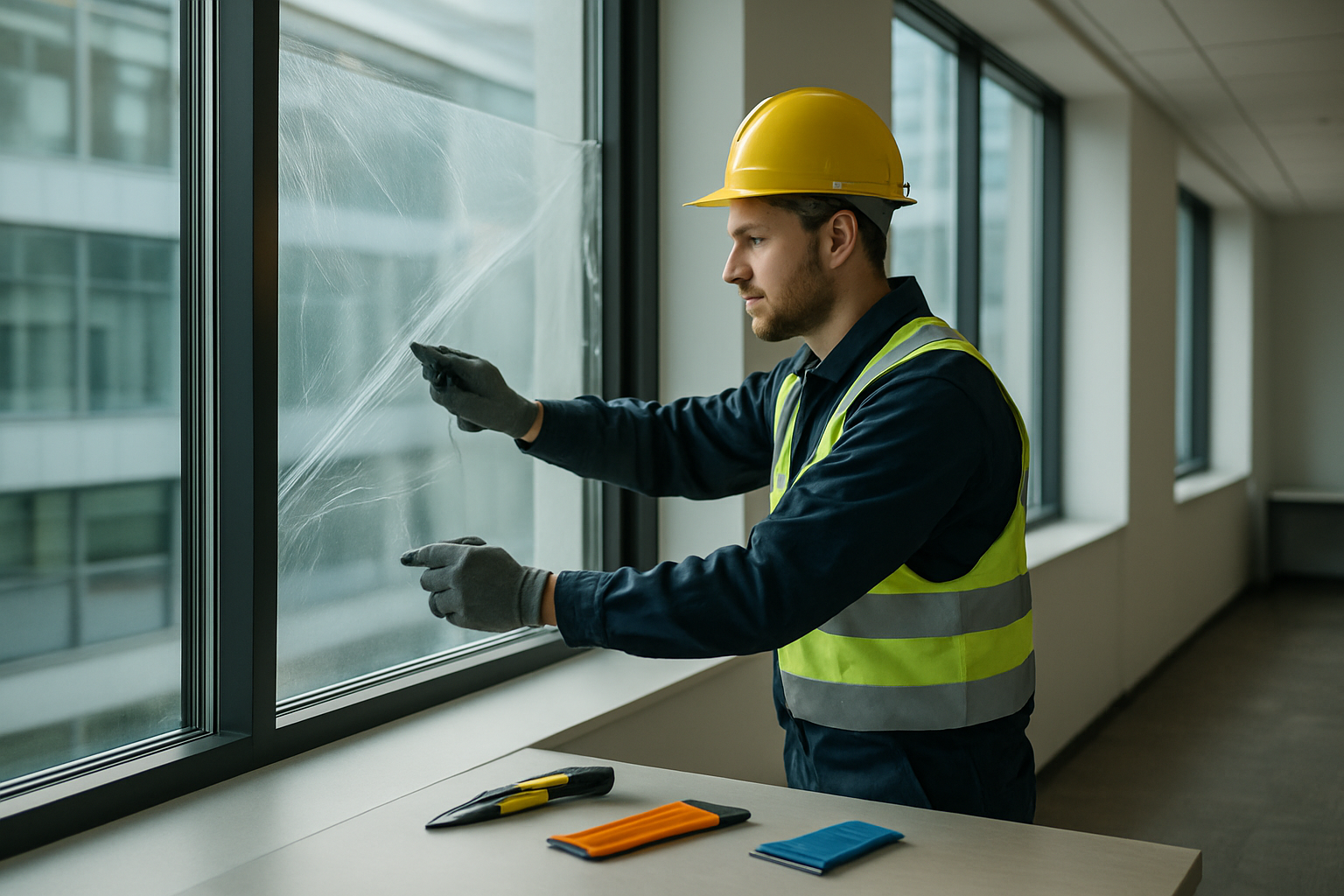
Surface Preparation and Cleaning Protocols
The foundation of effective blast-resistant window film installation begins with meticulous surface preparation. Professional installers start by examining the glass for existing damage, scratches, or imperfections that could compromise adhesion. Any cracks or chips must be addressed before film application, as these weak points can become failure zones under blast pressure.
The cleaning process involves multiple steps using specialized solutions. Installers remove all traces of dirt, oils, adhesive residues, and soap films using a combination of degreasing agents and lint-free cleaning tools. Even microscopic contaminants can create air bubbles or reduce the film’s bonding strength. The glass receives a final cleaning with distilled water to eliminate any chemical residues that might interfere with the adhesive bond.
Temperature and humidity control during this phase is critical. The work environment must maintain optimal conditions—typically between 65-75°F with humidity levels below 50%—to ensure proper adhesive activation and prevent condensation formation between the film and glass surface.
Precise Measurement and Cutting Techniques
Accurate measurements separate professional installations from amateur attempts. Certified installers use laser measuring tools and templates to ensure precise dimensions, accounting for thermal expansion and structural tolerances. Each window requires individual measurement, as even windows in the same building can vary by several millimeters.
The cutting process demands specialized equipment and techniques. Professional-grade plotters and cutting tables ensure clean, straight edges without creating stress points that could propagate under blast conditions. Installers must account for overlap requirements and proper edge sealing to maintain the film’s protective integrity.
Pattern matching becomes crucial for multi-pane installations. Each section must align perfectly to create a continuous protective barrier without gaps or overlaps that could create weak points during an explosive event.
Expert Application Methods for Maximum Effectiveness
The application process requires years of training to master properly. Professional installers use specific techniques to eliminate air bubbles and ensure complete adhesion across the entire surface. They work systematically from center outward, using specialized squeegees designed for security film applications.
Wet application methods allow for repositioning during initial placement, but the installer must carefully manage solution concentration and removal timing. Too much moisture delays bonding, while insufficient lubrication can cause adhesive failure or surface scratching.
Edge sealing receives particular attention in blast-resistant installations. Professional installers apply structural glazing compounds or specialized edge sealants to prevent film lifting under pressure differentials created by explosive forces. This sealing process often extends beyond the visible film edge to anchor into the window frame structure.
Quality Control Inspection and Testing Procedures
Professional installations include comprehensive quality assurance protocols that amateur applications cannot match. Installers perform detailed visual inspections using specialized lighting to detect any imperfections, bubbles, or contamination that could compromise performance.
Adhesion testing involves controlled pull tests at sample points to verify proper bonding strength. These tests simulate the forces the film will experience during an actual blast event, ensuring the installation meets or exceeds manufacturer specifications.
Post-installation documentation includes detailed photographs, measurement records, and certification that the work complies with relevant security standards. Many professional installers provide warranties that guarantee performance under specified blast conditions, something only possible through proper installation techniques and quality control measures.
Professional installers also conduct final testing of the glazing system’s integrity, checking for proper edge sealing and verifying that the film maintains optical clarity without distortion. This attention to detail ensures the security enhancement doesn’t compromise the building’s normal operations or occupant comfort.
Choosing the Right Film Specifications for Your Needs

Thickness Options and Their Corresponding Protection Levels
Anti-blast window films come in various thickness measurements, typically ranging from 4 mil to 15 mil, with specialized applications requiring even thicker options. The 4-7 mil range provides basic protection against glass fragmentation and minor blast effects, making them suitable for low-risk commercial buildings and residential properties. These thinner films offer excellent cost-effectiveness while delivering meaningful safety improvements.
Mid-range films between 8-12 mil represent the sweet spot for most commercial applications. They provide robust protection against moderate explosive forces while maintaining reasonable installation costs. Buildings in urban areas, government facilities, and high-profile commercial properties often select this range for optimal security performance.
Heavy-duty films exceeding 12 mil thickness deliver maximum blast resistance and fragment retention. These films can withstand significant explosive forces and are mandatory for critical infrastructure, military installations, and high-security facilities. The trade-off comes in higher material costs and more complex installation requirements.
| Film Thickness | Protection Level | Typical Applications |
|---|---|---|
| 4-7 mil | Basic | Residential, low-risk commercial |
| 8-12 mil | Moderate | Standard commercial, schools |
| 12+ mil | High | Government, critical infrastructure |
Optical Clarity Versus Security Performance Considerations
The relationship between film thickness and optical clarity presents a critical decision point for building owners. Thinner films naturally offer superior clarity, maintaining near-perfect transparency that preserves the building’s aesthetic appeal. However, this clarity comes at the expense of maximum security performance.
Newer film technologies have significantly improved this balance. Premium films now incorporate advanced adhesive systems and optical-grade materials that maintain excellent clarity even at higher thicknesses. Some manufacturers achieve 99% visible light transmission while delivering substantial blast protection.
Color tinting affects both security and aesthetics. Clear films provide maximum light transmission but may show stress patterns under certain lighting conditions. Lightly tinted options can mask these patterns while adding privacy benefits, though they reduce natural light penetration.
Building use determines the optimal balance. Office buildings prioritize natural light and views, making high-clarity films essential. Security-focused facilities can accept slight optical compromises for enhanced protection levels. Retail establishments need to balance security with customer visibility and storefront appeal.
Compatibility With Different Glass Types and Window Systems
Standard annealed glass works well with most anti-blast films, though structural considerations become important with thicker applications. The film-glass system must work together to prevent catastrophic failure during blast events. Professional structural analysis ensures the window frame can handle the additional stress loads.
Tempered glass presents unique challenges because it’s designed to shatter completely when broken. Anti-blast films help contain these fragments, but the glass type affects film selection. Thicker films provide better fragment retention but require careful edge preparation to prevent stress concentration points.
Laminated glass already contains a plastic interlayer, creating compatibility questions with additional film layers. Some combinations create excellent multi-layer protection systems, while others may cause optical distortions or adhesion problems. Manufacturer testing data helps identify proven combinations.
Insulated glass units require special attention to seal integrity and thermal stress management. Films can affect the thermal balance between glass panes, potentially causing seal failure or glass breakage. Low-E coatings interact with certain film types, requiring compatibility verification before installation.
Window frame materials influence installation techniques and long-term performance. Aluminum frames offer excellent stability but require careful sealing to prevent water infiltration. Steel frames provide maximum structural support for heavy-duty applications. Vinyl frames need special consideration for thermal expansion and structural limitations.
Cost-Effective Investment Compared to Alternative Solutions

Lower Installation Costs Than Replacing Entire Window Systems
Anti-blast window film presents a dramatic cost advantage over complete window replacement. While new blast-resistant glazing systems can cost $50-150 per square foot installed, professional-grade security film typically runs $8-25 per square foot. The math becomes even more compelling for large commercial buildings where window replacement could reach hundreds of thousands of dollars.
Traditional blast-resistant windows require structural modifications, frame replacements, and often changes to the building envelope. These projects can shut down operations for weeks and require specialized contractors. Security film installation happens quickly with minimal disruption – most commercial projects complete within days rather than months.
| Solution | Cost per sq ft | Installation Time | Building Disruption |
|---|---|---|---|
| Blast-resistant windows | $50-150 | 2-6 weeks | Major |
| Security film | $8-25 | 1-3 days | Minimal |
Reduced Insurance Premiums Through Enhanced Security Measures
Insurance companies increasingly recognize blast-resistant window film as a legitimate risk mitigation measure. Many commercial property insurers offer premium reductions of 5-15% for buildings with certified security film installations. The savings compound annually, often paying for the film installation within 3-5 years.
Property owners in high-risk areas see even greater benefits. Buildings near government facilities, transportation hubs, or urban centers frequently qualify for substantial discounts. Some insurers require documented proof of installation and annual inspections to maintain reduced rates.
Long-Term Durability Minimizes Maintenance and Replacement Expenses
Quality security films carry 10-15 year warranties and often last 20+ years with proper care. Unlike mechanical security systems that require regular maintenance, calibration, and component replacement, window film operates passively. No moving parts mean no service calls or unexpected repair bills.
The film also protects the underlying glass from scratches, weather damage, and UV degradation. This protection extends window life significantly, delaying expensive glass replacement projects. Many building owners report their filmed windows looking new years after installation while untreated windows show visible wear.
Increased Property Value Through Improved Safety Features
Buildings with documented security enhancements command higher market values and rental rates. Commercial tenants increasingly prioritize workplace safety when selecting office space. Properties with blast-resistant features attract premium tenants willing to pay higher rents for enhanced security.
Appraisers now factor security improvements into property valuations. Buildings with comprehensive protection systems, including window film, typically see 2-5% value increases. This appreciation often exceeds the initial film investment, creating immediate equity gains for property owners while providing ongoing protection benefits.
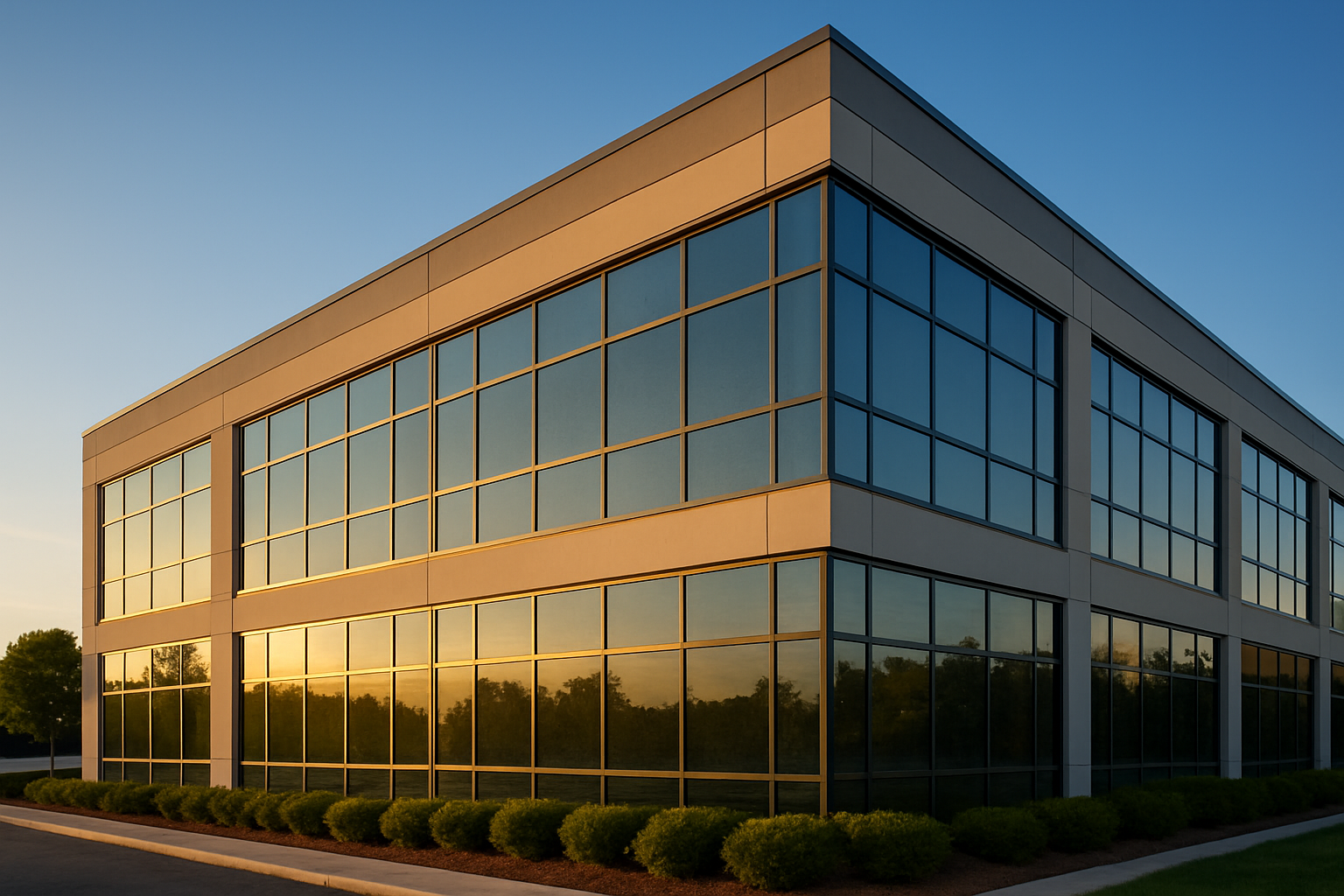
Anti-blast window film has become the smart choice for building owners who want serious protection without breaking the bank. This invisible shield transforms ordinary glass into a powerful barrier against explosions, break-ins, and severe weather while maintaining the natural look of your windows. The technology works by holding glass fragments together during impact, preventing dangerous shards from flying around and causing injuries.
Getting professional installation is key to making sure the film does its job properly. The right specifications depend on your building’s unique needs, threat level, and budget. When you compare the costs to replacing entire window systems or dealing with security incidents, blast-proof film delivers incredible value. Smart building owners aren’t waiting for something bad to happen – they’re protecting their properties, people, and investments right now with this proven technology.