
Window tinting laws exist to keep roads safe by ensuring drivers can see clearly, but these regulations often don’t cover decorative window film. This creates confusion for homeowners, business owners, and vehicle customizers who want to enhance their windows without legal complications.
Unlike standard automotive tint that blocks visibility, decorative film serves different purposes and operates under separate regulations. Many people don’t realize that choosing decorative options can help them avoid the strict transparency requirements that govern traditional window tinting.
We’ll explore how decorative film functions differently than standard tint and examine the legal loopholes that often exempt these products from conventional window tinting restrictions. You’ll also discover the practical benefits that make decorative film an attractive alternative for those seeking window enhancement without regulatory headaches.
Understanding the Legal Distinction Between Window Tinting and Decorative Film
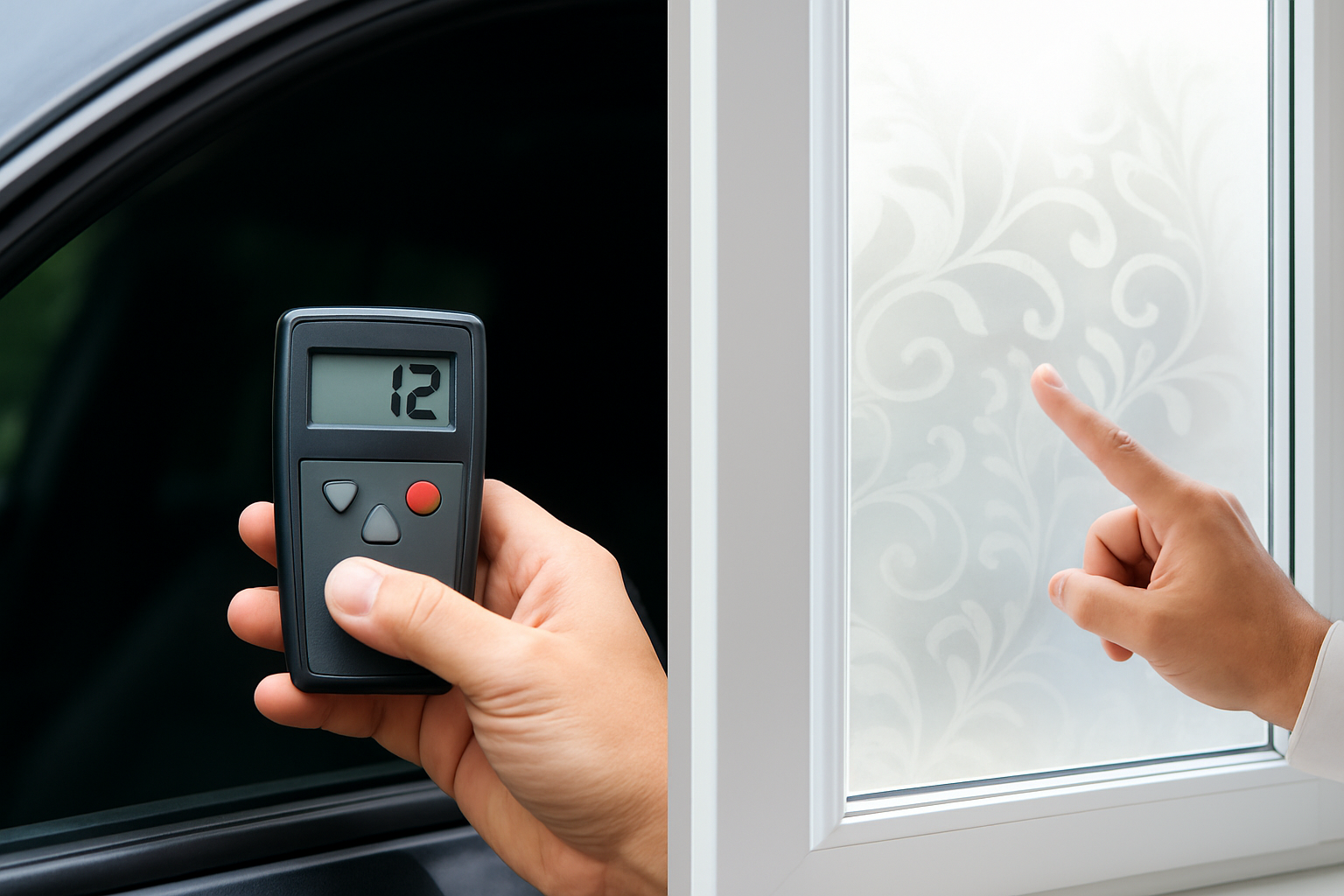
Legal definitions that separate functional tinting from decorative applications
Window tinting and decorative film operate under completely different legal frameworks, even though they might look similar to the casual observer. The law distinguishes between these products based on their primary purpose and functionality. Traditional window tinting gets classified as a functional modification designed to reduce light transmission, block UV rays, or provide privacy. This functional classification triggers specific regulations that govern how dark the tint can be.
Decorative film, on the other hand, gets categorized as an aesthetic enhancement rather than a functional modification. The legal system treats decorative applications like artwork, graphics, or architectural elements rather than automotive modifications. This distinction matters because decorative films often contain patterns, designs, or partial coverage that doesn’t uniformly affect the entire window surface.
| Product Type | Legal Classification | Primary Purpose | Regulatory Category |
|---|---|---|---|
| Window Tint | Functional Modification | Light reduction, UV protection | Automotive safety regulation |
| Decorative Film | Aesthetic Enhancement | Visual appeal, branding | Commercial signage/graphics |
The key difference lies in intent and application. When you apply a uniform dark film across your entire window to reduce glare, that’s functional tinting. When you apply a film with cutouts, patterns, or designs that serves primarily as decoration, the legal system views this as decorative rather than functional.
How decorative film classification bypasses standard tinting regulations
Standard tinting regulations target products that uniformly alter a window’s light transmission properties. These laws assume complete coverage of the window surface with a consistently dark material. Decorative films sidestep these regulations because they don’t fit this regulatory model.
Most decorative films feature perforated designs, partial coverage, or transparent sections that maintain sufficient visibility through the window. The regulations weren’t written to address products that selectively cover portions of a window while leaving other areas completely clear. This creates a regulatory gap that decorative film manufacturers and users can legally exploit.
State motor vehicle codes typically define illegal tinting as “any material that reduces light transmission below specified levels.” Decorative films with strategic openings or partial coverage patterns don’t reduce overall light transmission to prohibited levels because significant portions of the window remain unobstructed.
The classification system also considers the removability and temporary nature of many decorative applications. While permanent tinting modifications fall under automotive safety regulations, temporary decorative applications often get treated more like removable accessories or signage.
Key characteristics that exempt decorative films from VLT requirements
Visible Light Transmission (VLT) requirements don’t apply to decorative films because these products possess specific characteristics that distinguish them from regulated tinting materials. The most important exempting characteristic is partial coverage. Unlike solid tinting that covers the entire window surface, decorative films typically cover only specific areas while leaving substantial portions of the window clear.
Perforated or mesh designs represent another exempting characteristic. These patterns allow light to pass through designated openings, maintaining adequate visibility even when the film appears dark from the outside. The total light transmission through the combination of film and openings often exceeds minimum VLT requirements.
Pattern-based coverage creates additional exemptions because the irregular coverage doesn’t uniformly reduce light transmission across the entire window surface. Instead of creating a consistent level of darkness, these applications create varying levels of transparency that collectively maintain acceptable visibility standards.
Temporary installation methods also contribute to VLT exemptions. Many decorative films use removable adhesives or static cling installation that doesn’t permanently alter the vehicle. Regulators typically focus VLT requirements on permanent modifications rather than temporary applications that can be easily removed.
The aesthetic purpose designation provides another layer of exemption protection. When the primary function is decorative rather than functional light reduction, the application often falls outside the scope of VLT regulations entirely. This purpose-based distinction allows decorative films to achieve visual effects that would be prohibited if classified as functional tinting.
Why Traditional Window Tinting Laws Were Created
Safety concerns regarding driver visibility and law enforcement identification
Window tinting laws first emerged in the 1980s when states recognized serious safety risks posed by heavily tinted vehicle windows. Police officers found themselves unable to see inside vehicles during traffic stops, creating dangerous situations where they couldn’t assess potential threats or identify occupants. This visibility issue became a matter of officer safety and public security.
The main concern centered around the front side windows and windshield, where excessive tint could impair a driver’s vision during nighttime driving or in poor weather conditions. Studies showed that drivers with heavily tinted windows struggled to see pedestrians, cyclists, and other vehicles clearly, especially during dawn and dusk hours when lighting conditions change rapidly.
Law enforcement agencies pushed for regulations after multiple incidents where officers couldn’t determine if drivers were reaching for weapons or if additional passengers posed risks. The inability to make eye contact or observe suspicious behavior through tinted windows created tactical disadvantages during routine stops and emergency situations.
Visibility standards also addressed the need for witnesses and other drivers to see into vehicles during accidents or criminal activities. Clear windows allow bystanders to identify drivers who flee accident scenes or commit traffic violations, supporting accident reconstruction and legal proceedings.
Heat reduction and UV protection regulations for automotive applications
Early window tinting laws struggled to balance legitimate needs for heat reduction and UV protection against safety concerns. Vehicle manufacturers began incorporating factory tint to protect interiors from sun damage and reduce cabin temperatures, but aftermarket modifications often exceeded reasonable limits.
Regulations emerged to standardize which windows could receive tint and how dark that tint could be. Most jurisdictions allowed darker tint on rear windows since these don’t affect driver visibility or law enforcement identification needs. The compromise recognized that passengers benefit from UV protection and heat reduction while maintaining safety standards for critical viewing areas.
Medical exemptions became part of tinting laws when people with certain skin conditions or photosensitivity disorders needed additional UV protection. These exemptions required doctor certification and often came with restrictions on tint darkness levels, creating a framework that balanced individual health needs with public safety requirements.
Standardized light transmission requirements across different jurisdictions
States developed Visible Light Transmission (VLT) percentages to create measurable standards for acceptable tint levels. These percentages indicate how much light passes through the window – higher percentages mean more light transmission and less tint darkness.
| Window Location | Typical VLT Requirements |
|---|---|
| Front Side Windows | 70-50% VLT minimum |
| Rear Side Windows | 35-20% VLT minimum |
| Rear Window | 35-5% VLT minimum |
| Windshield | No tint above AS-1 line |
Different states adopted varying standards based on regional factors like sun intensity and climate conditions. Southern states often allow darker tints due to intense heat, while northern states maintain stricter requirements. This patchwork of regulations created challenges for travelers crossing state lines with legally tinted vehicles.
Enforcement methods evolved alongside these standards, with law enforcement using tint meters to measure VLT percentages during traffic stops. These devices provide objective measurements that support citations and court proceedings, removing guesswork from tint violation determinations.
The standardization effort also addressed commercial vehicles, emergency vehicles, and specialty applications like limousines, creating separate categories with different requirements based on vehicle function and safety considerations.
How Decorative Film Functions Differently Than Standard Tint
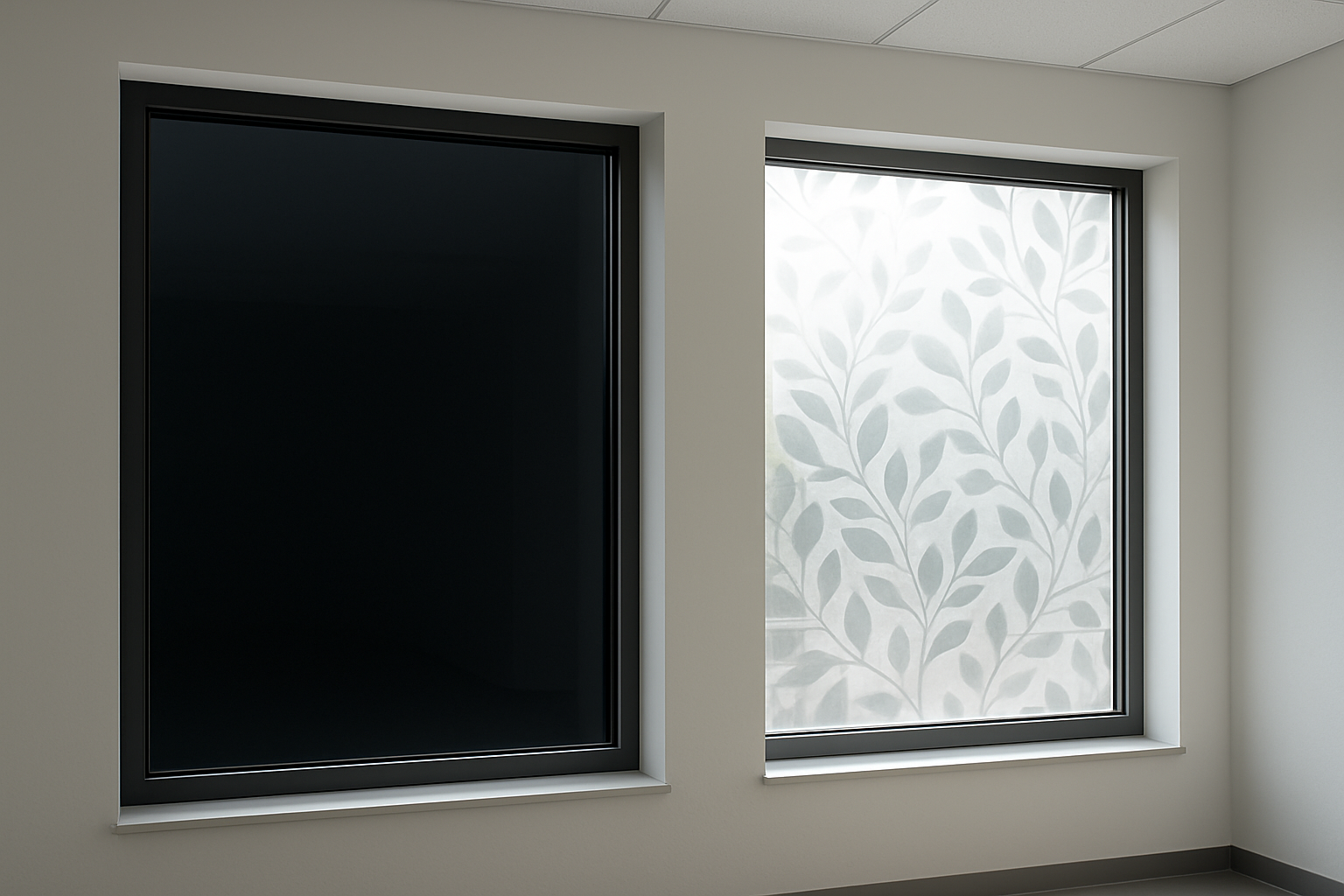
Aesthetic enhancement without significant light transmission reduction
Decorative films work completely differently from traditional window tints when it comes to blocking light. Standard automotive tints are designed to reduce the amount of light passing through windows, often cutting transmission by 50-95%. Decorative films take a different approach – they focus on visual appeal while maintaining most of the window’s original transparency.
The key difference lies in how these films manipulate light. Traditional tints use dyes or metallic particles to absorb or reflect light uniformly across the entire window surface. Decorative films use patterns, textures, or designs that create visual interest without creating a solid barrier to light transmission. Think of it like the difference between wearing sunglasses and looking through a decorative screen door.
Most decorative films maintain 70-85% light transmission, which keeps them well above the legal thresholds that trigger window tinting regulations. Law enforcement officers can easily see through these films during traffic stops, and the films don’t create the safety concerns that led to tinting restrictions in the first place.
Pattern-based designs that maintain required visibility levels
The magic of decorative film lies in its pattern-based approach. Instead of applying a uniform coating across the entire window, these films use geometric patterns, etched designs, or perforated layouts that create visual appeal while leaving plenty of clear space for visibility.
Common pattern types include:
- Dot matrix patterns: Small dots arranged in specific spacing that creates opacity from certain angles while maintaining transparency
- Geometric designs: Squares, diamonds, or hexagonal patterns that break up the window surface without blocking significant light
- Gradient effects: Patterns that fade from opaque to transparent, concentrating design elements in less critical viewing areas
- Perforated films: Tiny holes that allow full light transmission while creating interesting visual textures
These patterns work because human vision adapts to look through the clear spaces rather than focusing on the design elements. Police officers and other observers can still see vehicle occupants and interior details, which satisfies the original intent behind window tinting laws.
Temporary application methods that don’t permanently alter window properties
Unlike traditional window tints that require adhesive application and often permanent modification of the glass, many decorative films use temporary installation methods. Static cling technology, removable adhesives, and magnetic mounting systems allow users to apply and remove these films without leaving residue or permanent changes to the vehicle.
This temporary nature creates an important legal distinction. Window tinting laws typically address permanent modifications to vehicle windows because they represent a lasting change to the vehicle’s safety profile. Temporary decorative films don’t fall into this category because they can be quickly removed if needed.
Installation methods include:
| Method | Permanence | Removal Time | Legal Implications |
|---|---|---|---|
| Static Cling | Temporary | 1-2 minutes | Not considered vehicle modification |
| Removable Adhesive | Semi-permanent | 5-10 minutes | Gray area in most jurisdictions |
| Magnetic | Temporary | Instant | No modification to vehicle |
| Pressure-sensitive | Permanent | Professional removal required | May trigger tinting laws |
The removable nature also means that drivers can quickly comply with law enforcement requests to remove the film during traffic stops, unlike permanent tints that require professional removal services.
Non-automotive specific uses that fall outside vehicle regulations
Vehicle window tinting laws specifically target automotive applications, but decorative films serve multiple purposes beyond vehicles. The same films used on car windows appear on residential windows, commercial storefronts, and architectural applications where no tinting restrictions exist.
Manufacturers market these products primarily for:
- Home privacy: Bathroom and bedroom windows where neighbors might see in
- Office environments: Conference rooms and private offices requiring visual barriers
- Retail displays: Storefront windows that need branding or seasonal decoration
- Architectural design: Buildings using decorative elements as part of their aesthetic
When these same films get used on vehicles, they often fall into regulatory gaps because the laws weren’t written to address multi-purpose decorative products. Vehicle codes focus on products specifically manufactured and marketed for automotive light reduction, not general decorative films that happen to work on car windows.
This creates a situation where the same physical product faces different legal treatment depending on how it’s marketed and sold. A film sold as “automotive tint” might trigger regulations, while an identical film sold as “decorative window treatment” might not.
Legal Loopholes and Regulatory Gaps That Benefit Decorative Film Users

Absence of specific legislation targeting decorative window applications
Most state and federal window tinting regulations were written decades ago when decorative films weren’t a mainstream option. Lawmakers focused on creating rules for automotive and commercial tinting that addressed safety and security concerns. This historical timing created a significant gap in legislation that decorative film users can take advantage of.
Current laws typically define window treatments in terms of functionality rather than appearance. They target films designed to reduce light transmission, block UV rays, or provide privacy through opacity. Decorative films that feature patterns, textures, or artistic designs don’t fall neatly into these traditional categories. Since the original intent was to regulate functional tinting, decorative applications often slip through unnoticed.
Many jurisdictions simply haven’t updated their codes to address decorative window treatments. This means property owners can install elaborate frosted patterns, geometric designs, or even company logos without triggering existing tinting restrictions. The regulatory framework wasn’t built to handle these creative applications.
Focus on light transmission percentage rather than visual design elements
Window tinting laws rely heavily on measurable metrics, particularly Visible Light Transmission (VLT) percentages. This technical approach creates opportunities for decorative film users who understand how to work within these parameters.
| Measurement Focus | Traditional Tint | Decorative Film |
|---|---|---|
| VLT Percentage | Primary concern | Often meets requirements |
| Opacity Level | Secondary factor | Variable by design |
| Reflectivity | Regulated | Usually minimal |
| Color/Pattern | Rarely addressed | Primary feature |
Law enforcement and building inspectors typically carry light transmission meters, not design evaluation tools. They measure how much light passes through the glass, not whether the pattern is aesthetically pleasing or commercially appropriate. A decorative film with 70% light transmission that features intricate etched patterns might pass inspection while achieving the same privacy and design goals as restricted tinting.
Smart decorative film manufacturers design products that meet common VLT requirements while maximizing visual impact. Patterns can be strategically placed to maintain legal light transmission levels while still providing desired privacy and aesthetic benefits.
Commercial and residential exemptions that extend to decorative uses
Many building codes include exemptions for commercial storefronts, residential privacy needs, and artistic installations. These exemptions often cover decorative applications without explicitly mentioning them.
Commercial properties frequently enjoy broader latitude in window treatments for branding and customer experience purposes. Storefronts can display company logos, promotional graphics, and decorative elements that would violate residential tinting restrictions. These commercial exemptions naturally extend to decorative films used for business purposes.
Residential codes often include privacy exceptions for bathrooms, bedrooms, and ground-floor windows facing public areas. Homeowners can install decorative films in these spaces without restriction, claiming legitimate privacy needs rather than purely aesthetic goals.
Historic districts and architectural preservation zones sometimes allow decorative window treatments that complement building character while restricting modern tinting. Property owners in these areas can use period-appropriate decorative films that enhance historical authenticity without triggering tinting violations.
Safety glazing requirements also create opportunities. Windows that need safety film for code compliance can incorporate decorative elements into the protective layer, achieving dual purposes while staying within legal boundaries.
Practical Benefits of Choosing Decorative Film Over Traditional Tinting
Freedom from expensive legal compliance and potential citations
Car enthusiasts who choose decorative film can breathe easy knowing they won’t face the costly consequences that often come with traditional window tinting violations. Standard tint laws carry hefty fines ranging from $50 to $500 per citation, with some states imposing additional court costs and administrative fees that can push total penalties well over $1,000.
Decorative films sidestep these financial pitfalls entirely because they fall outside typical VLT (Visible Light Transmission) regulations. This means no expensive light transmission testing, no legal consultations to verify compliance, and zero risk of being pulled over for tint violations during routine traffic stops.
The peace of mind extends beyond just avoiding tickets. Traditional tint violations often require expensive removal and replacement to meet legal standards, creating a double financial burden for vehicle owners. With decorative film, these compliance headaches simply don’t exist.
Unlimited design options without regulatory restrictions
Traditional window tinting laws severely limit creative expression by focusing solely on light transmission percentages. These regulations leave car owners with basic shade variations in gray or black, offering minimal customization potential.
Decorative films break free from these constraints, opening up a world of design possibilities:
- Frosted and etched patterns that create privacy without darkness
- Gradient designs that transition from clear to decorative elements
- Geometric patterns including stripes, dots, and custom shapes
- Textured finishes that mimic materials like brushed metal or fabric
- Color options beyond traditional tint shades
- Custom graphics and logos for business vehicles
- Seasonal designs that can be changed throughout the year
This creative freedom allows vehicle owners to express personal style while maintaining full visibility and legal compliance. The absence of percentage-based restrictions means designs can be bold, subtle, or anything in between.
Cost-effective customization without legal consultation requirements
Installing traditional window tint often requires professional consultation to ensure compliance with local laws, adding significant costs to the customization process. Legal consultation fees typically range from $100 to $300, and many installers charge premium rates for guaranteed compliant installations.
Decorative film eliminates these additional expenses entirely. Vehicle owners can select and install their preferred designs without legal review, professional compliance verification, or specialized installation requirements. The straightforward application process means DIY installation becomes a viable option for many designs, further reducing overall costs.
The financial benefits extend to maintenance and updates. Traditional tint modifications require professional removal and reinstallation to maintain legal compliance, often costing $200-400 per session. Decorative film changes can be accomplished quickly and affordably without professional oversight.
Easy removal and replacement without permanent vehicle modifications
One of the most significant advantages of decorative film lies in its temporary nature and reversibility. Unlike traditional tinting that often requires professional removal with specialized tools and chemicals, decorative films can be removed cleanly without leaving residue or damaging window surfaces.
This flexibility offers several practical benefits:
Lease vehicle compatibility: Renters can customize their vehicles without violating lease agreements that prohibit permanent modifications
Resale value protection: Original window condition remains intact, preserving vehicle value and appeal to future buyers
Design evolution: Easy swapping allows for seasonal changes, special events, or simply evolving personal preferences
Damage prevention: Temporary application means no risk of installation errors causing permanent window damage or adhesive residue
Relocation adaptability: Moving to different states with varying tint laws becomes stress-free since decorative films aren’t subject to these regulations
The removal process typically takes 30-60 minutes using basic tools like heat guns or hair dryers, making it accessible for most vehicle owners to handle independently.
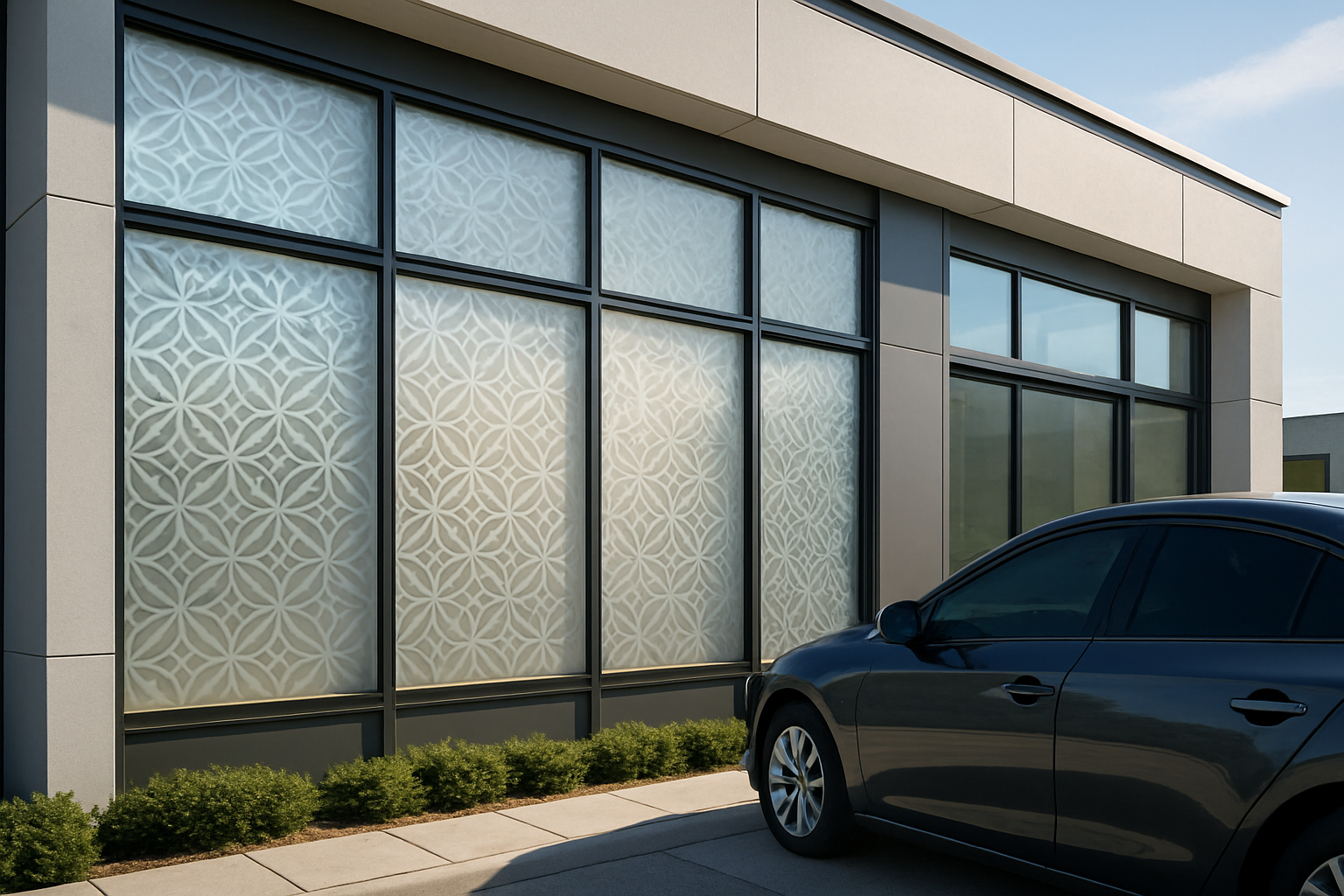
Decorative window film operates in a completely different legal space than traditional tinting because lawmakers designed regulations around vehicle safety, not decorative applications. The key difference lies in how these films function – decorative options focus on aesthetics and privacy rather than blocking specific light percentages that safety laws target. This creates a regulatory gap that works in your favor when you want to customize your windows without worrying about VLT percentages or getting pulled over.
The practical advantages go beyond just avoiding legal trouble. Decorative film gives you creative freedom to express your style while still getting benefits like privacy and UV protection. Since these films don’t fall under the same restrictive measurements as traditional tint, you can choose from patterns, textures, and designs that would be impossible with standard automotive tinting. If you’re tired of plain windows but don’t want the hassle of tinting laws, decorative film offers the perfect solution that keeps you legal while giving you the custom look you want.