
Homeowners waste thousands on energy bills and property damage because they believe outdated window film myths. These misconceptions prevent smart property investments and cost you money every month through higher cooling costs, UV damage to furniture, and missed energy savings opportunities.
This guide is for homeowners considering window film but held back by false information they’ve heard from neighbors, online forums, or outdated experiences from decades ago. We’ll separate fact from fiction so you can make informed decisions about your home’s comfort and efficiency.
You’ll discover why modern window film won’t damage your windows or void warranties, learn how today’s technology controls light without making rooms dark, and see real data on UV protection that saves your furniture and health. We’ll also cover privacy solutions that maintain your view, heat reduction technology that cuts cooling costs, and long-term durability that eliminates replacement expenses.
Stop letting window film myths cost you money. The truth about these products might surprise you and save you thousands in the long run.
Window Film Won’t Damage Your Windows or Void Warranties
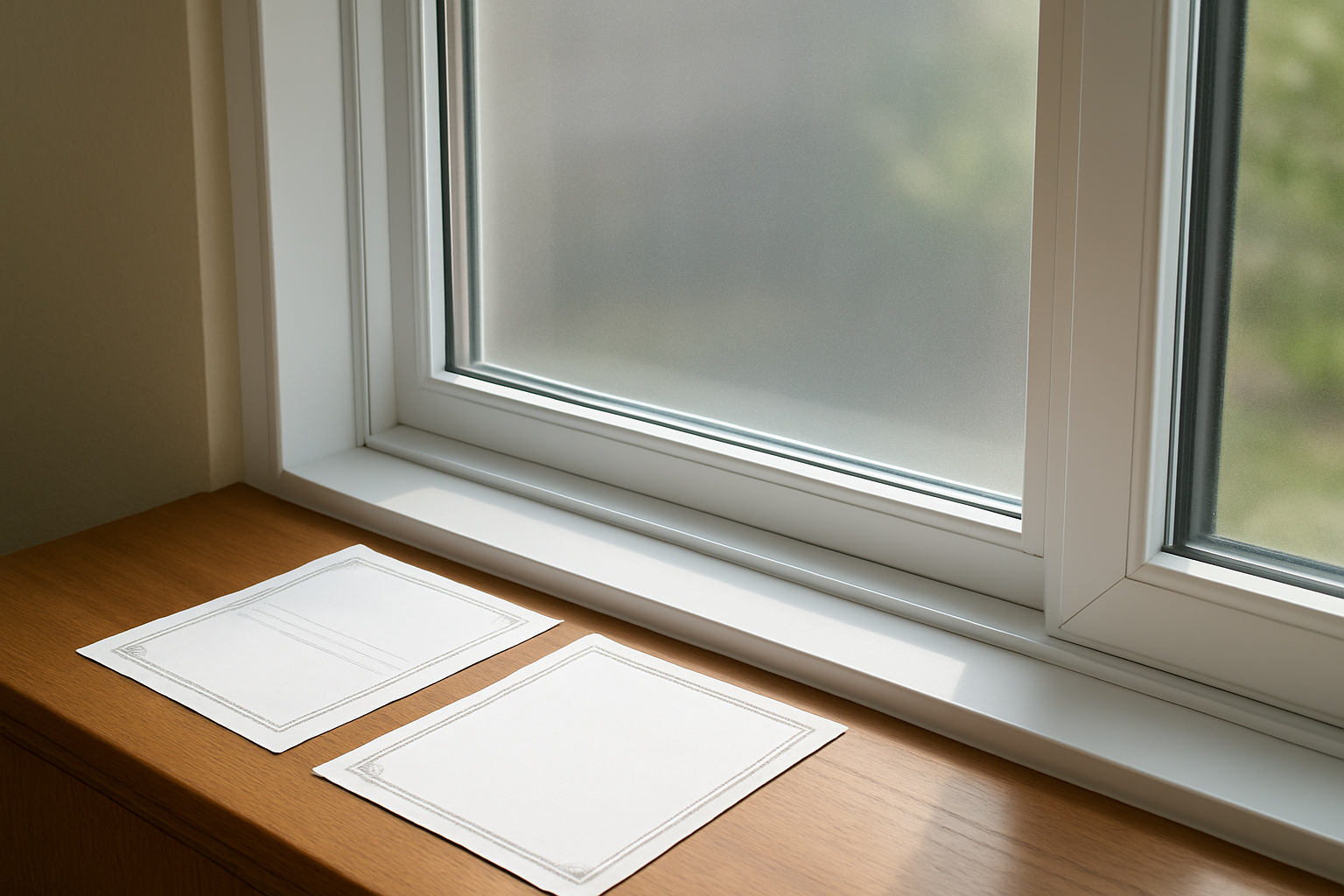
Proper Installation Prevents Glass Damage
One of the most persistent concerns homeowners have about window film is whether it will damage their windows. The reality is that when installed correctly, window film poses no threat to your glass surfaces. Damage typically occurs only when the wrong type of film is chosen for specific glass types or when installation procedures aren’t followed properly.
The key to preventing any potential issues lies in understanding your glass type and selecting compatible films. Different window types – whether single pane, double pane, or Low-E glass – require specific film formulations to ensure optimal performance without stress. Professional installers assess these factors before application, ensuring the film’s thermal properties match your window specifications.
Modern window films are designed with pressure-sensitive adhesive systems that bond securely to glass without causing structural damage. The installation process involves careful surface preparation and precise application techniques that protect the integrity of your windows throughout the process.
Compatible Films Maintain Window Warranties
Many homeowners believe that applying window film automatically voids their window warranty, but this assumption isn’t necessarily accurate. The truth is that using compatible film products typically won’t affect your warranty coverage, provided you follow manufacturer guidelines and use appropriate film types for your specific glass.
The critical factor in maintaining warranty protection is ensuring the film you choose is recommended for your particular glass type and meets manufacturer specifications. Most window manufacturers recognize that properly selected and installed films don’t compromise window performance or longevity. However, it’s essential to review your warranty terms and conditions before installation to understand any specific requirements or restrictions.
When in doubt about compatibility, consulting with the window manufacturer or working with experienced film installers can help you make informed decisions that protect both your investment and warranty coverage. Professional installers understand which products work best with different window types and can guide you toward solutions that enhance your windows without compromising manufacturer protections.
Easy Removal Leaves No Residue Behind
Another common worry among homeowners is what happens when it’s time to remove the window film. The good news is that quality window films are designed for clean, residue-free removal when the time comes for replacement or if you decide to change your approach.
When removed carefully using proper techniques, window film peels away cleanly from the glass surface. The advanced adhesive systems used in modern films are formulated to maintain strong bonds during their service life while allowing for complete removal without damaging the underlying glass.
In the rare instances where minor adhesive residue remains after film removal, simple cleaning with soapy water and a soft cloth is typically all that’s needed to restore the glass to its original condition. This straightforward cleaning process doesn’t require special solvents or abrasive materials that could potentially scratch or damage your windows.
The removal process itself is designed to be user-friendly, allowing homeowners to update their window treatments or change film types without professional intervention or concern about permanent alterations to their windows.
Light Control Myths Cost You Comfort and Savings
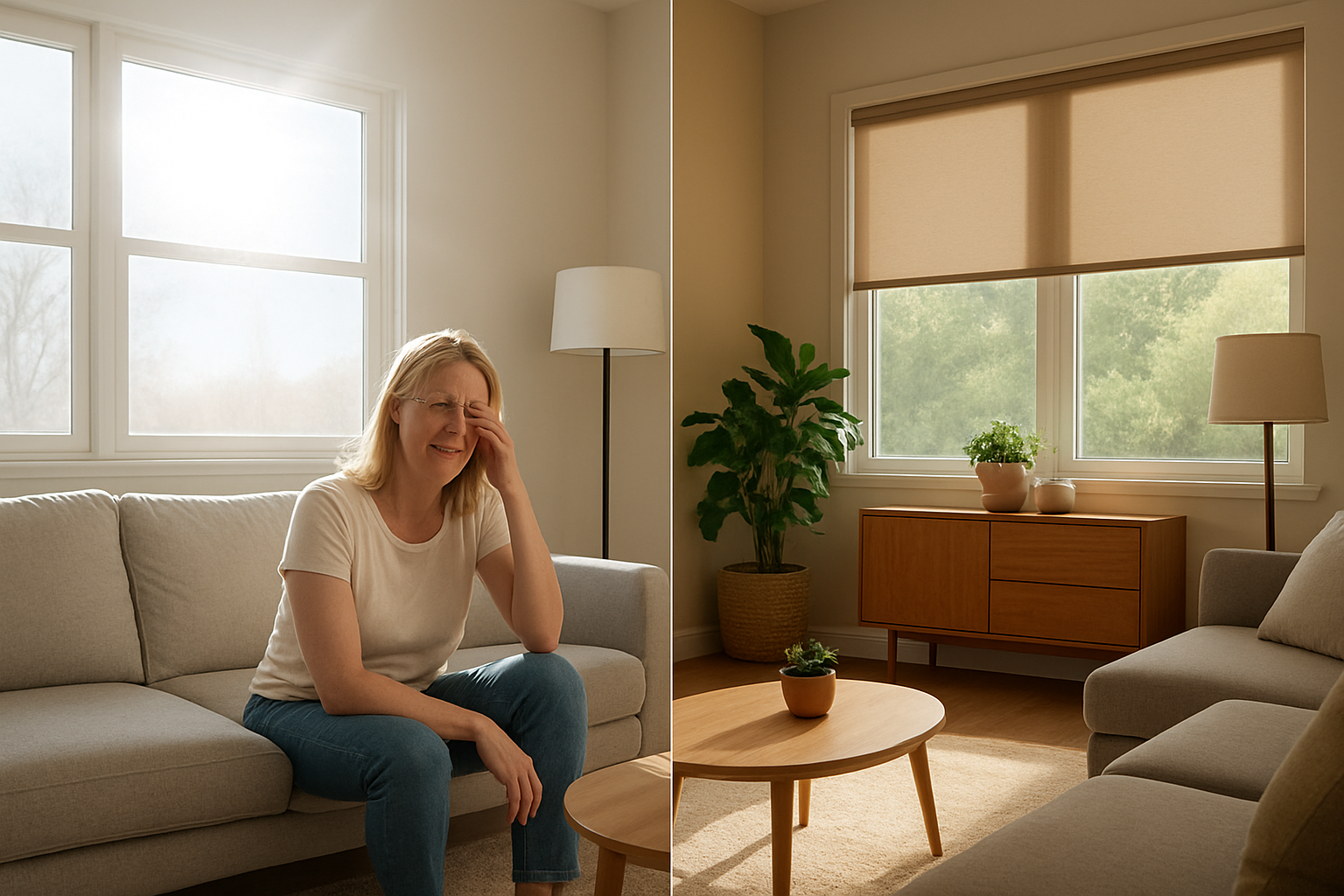
Modern Films Offer Customizable Light Transmission
One of the most persistent misconceptions about window film is that installation will significantly darken your interior spaces. This outdated belief stems from early window film technologies and associations with automotive tinting, where darkening is often intentional for privacy purposes. However, modern residential and commercial window films are specifically engineered to maintain brightness within indoor environments while providing essential protection.
Today’s window films come in various light transmission levels, allowing homeowners to customize the exact amount of light they desire. Even the lightest films available still block up to 99% of harmful UV rays, proving that protection doesn’t require sacrificing brightness. Property owners can choose from nearly invisible options to those with moderate tinting, ensuring their specific lighting preferences are met without compromising natural daylight.
Professional Selection Balances Privacy and Brightness
With professional guidance, homeowners can achieve the perfect balance between privacy, protection, and maintaining a bright, welcoming interior. Experienced dealers understand how to match the right film to your specific needs, considering factors like window orientation, existing lighting conditions, and your comfort preferences.
Professional installers follow strict compatibility guidelines and use comprehensive assessment tools to recommend films that optimize your space. This expert selection process ensures you receive maximum benefits without the common concern of overly dark interiors that many homeowners fear.
Advanced Technology Allows 60-70% Visible Light While Blocking Heat
The most impressive advancement in modern window film technology is the development of spectrally selective films. These sophisticated products can block significant amounts of heat while still allowing 60 to 70% of visible light to pass through. This breakthrough technology uses ceramic layers and advanced materials that target specific wavelengths, effectively managing solar heat gain without drastically diminishing natural light.
This means homeowners can enjoy bright, naturally lit spaces while experiencing substantial reductions in cooling costs and improved comfort. The technology separates heat rejection from light transmission, debunking the myth that effective solar control requires dark, cave-like interiors. These films maintain the aesthetic appeal of your windows while delivering measurable energy savings and enhanced comfort throughout your home.
UV Protection Delivers Real Health and Property Benefits
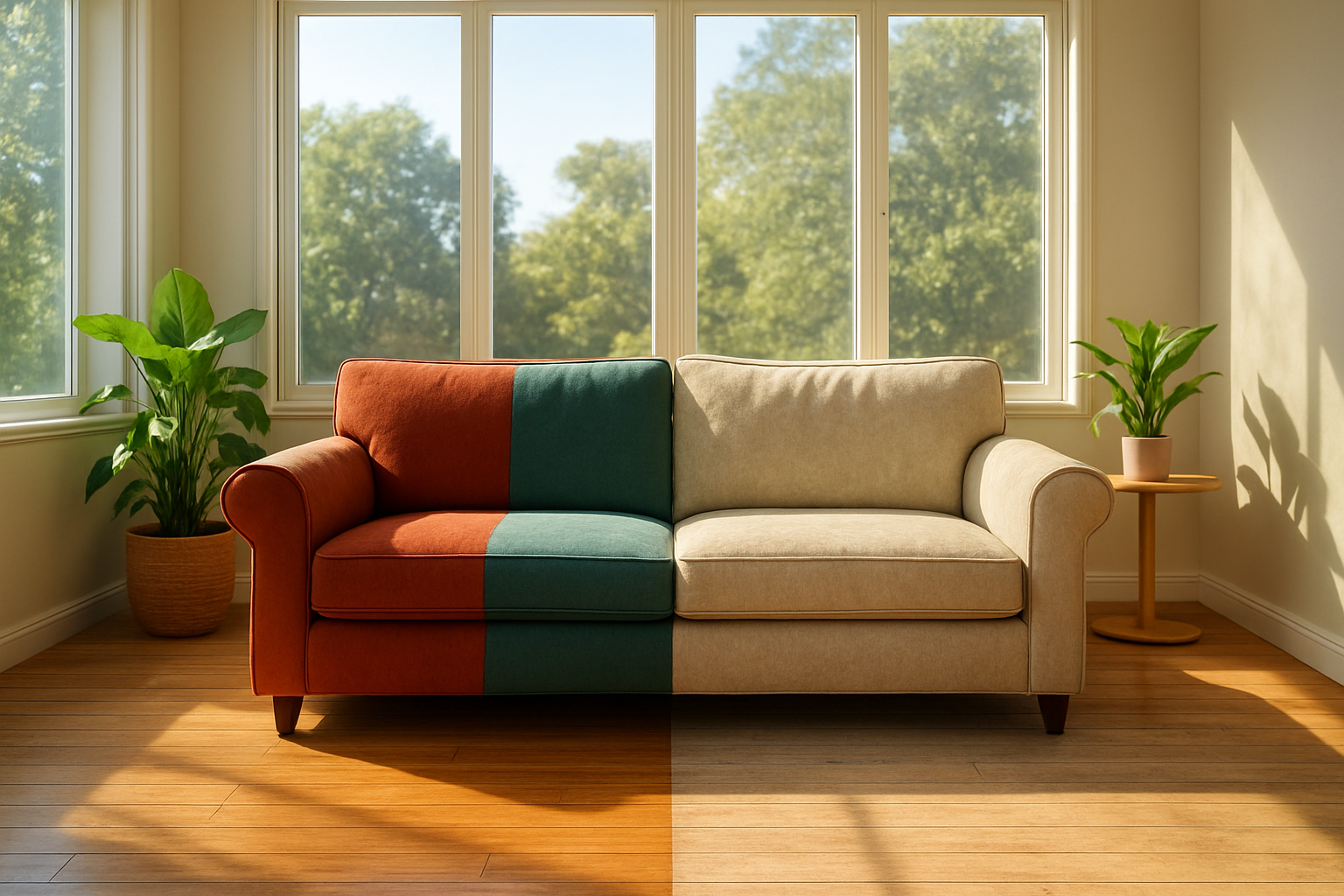
Quality Films Block 99% of Harmful UVA and UVB Rays
Professional-grade window films utilize specialized ultraviolet absorbers that provide exceptional protection against both UVA and UVB radiation. The International Window Film Association certifies films that deliver significant UV protection, with quality products blocking virtually all harmful radiation that would otherwise penetrate through standard glass windows.
The Skin Cancer Foundation has taken a leadership role in certifying window films that effectively limit UV transmission, recognizing products like Panorama Designer and Safety Films for their photoprotective capabilities. These high-tech laminates combine polyester substrates with metallized coatings, bonded using distortion-free adhesives to create a barrier that maintains crystal clarity while filtering out dangerous radiation.
Advanced coating technologies, such as low-emittance (low-E) coatings, represent microscopically thin, virtually invisible metal or metallic oxide layers that effectively suppress UV radiation. The exclusive Thermaflect coating employs double-layer soft coat technology to block 87% of UV radiation while maintaining Energy Star certification across all climate zones.
Untreated Glass Only Blocks UVB, Allowing 74% of UVA Through
Standard residential and commercial glass provides inadequate protection against the full spectrum of ultraviolet radiation. While untreated glass naturally blocks most UVB rays, it allows approximately 74% of UVA radiation to pass through unimpeded. This creates a false sense of security for building occupants who assume they’re protected from sun damage simply by being indoors.
The diffuse nature of UV radiation means that people situated under coverings like house roofs or car interiors remain exposed to harmful rays from multiple directions. Environmental and atmospheric conditions scatter UV radiation, allowing it to reach skin and interior surfaces even in seemingly protected spaces. This is why shade structures alone cannot provide effective protection against UV exposure.
Prevents Sun Damage to Furniture, Flooring and Fabrics
UV-protective window films serve as a critical barrier against interior fading and deterioration caused by solar radiation. Cumulative UV exposure causes significant damage to furniture, flooring, fabrics, and other interior surfaces, leading to premature aging, color loss, and material breakdown that can cost homeowners thousands in replacement expenses.
The photoprotective properties of quality window films extend far beyond personal health benefits. By blocking harmful UV rays before they enter living and working spaces, these films preserve the integrity and appearance of valuable interior furnishings. This protection is particularly crucial for expensive hardwood floors, custom upholstery, artwork, and window treatments that are susceptible to sun-induced fading and degradation.
Almost clear films are available for applications requiring no change in visual appearance, making it possible to protect interiors without altering the aesthetic qualities of windows or views. This combination of protection and transparency makes window film an ideal solution for preserving both property value and interior comfort.
Privacy Solutions Work Without Sacrificing Your View
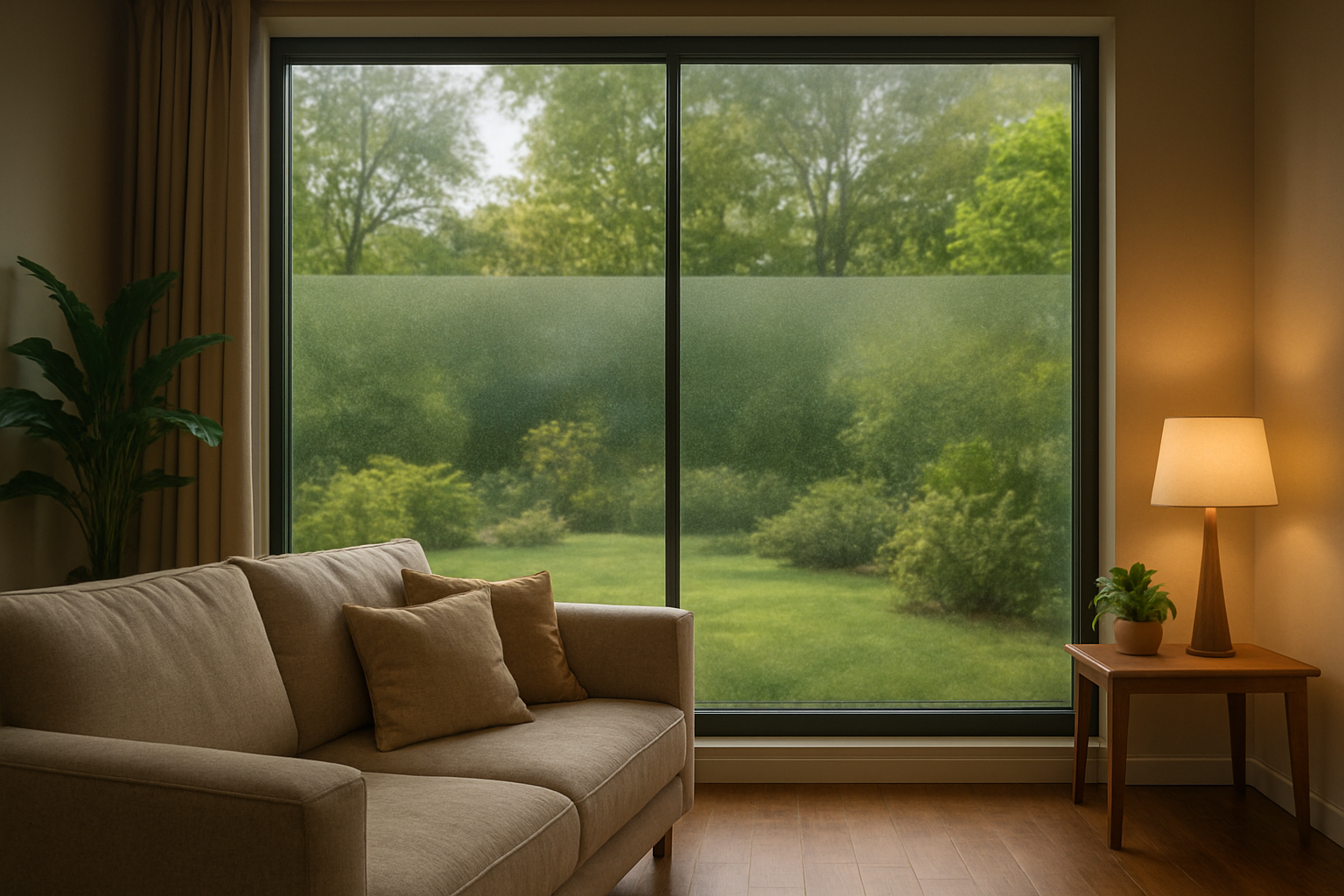
Multiple Finish Options Include Frosted, Mirrored and Patterned
Privacy window films come in a diverse array of finishes that cater to different aesthetic preferences and functional requirements. Frosted film creates a translucent appearance that mimics traditional frosted glass, allowing natural light to pass through while obscuring views from both sides of the glass. This versatile option can be custom-cut to create decorative patterns or designs, making it ideal for adding visual interest while maintaining privacy.
Reflective or mirrored film offers a completely different aesthetic approach, creating a mirror-like appearance on the exterior surface. This type of film reflects light away from windows, providing excellent daytime privacy while allowing occupants to maintain clear outward visibility. Reflective films are frequently chosen for commercial buildings as they can complement or enhance architectural aesthetics, often becoming part of larger facade renovation projects.
Dark tinted films represent one of the most classic privacy solutions, utilizing dark gray, brown, or black materials that significantly darken the glass. These films work particularly well when exterior light is brighter than interior lighting, creating effective one-way visibility during daytime hours.
Patterned and decorative options extend beyond basic finishes, allowing for custom branding, graphics, or artistic designs that serve dual purposes of privacy and visual enhancement.
Street-Facing and Bathroom Applications Provide Discreet Protection
Street-facing windows present unique privacy challenges that window films address effectively without compromising natural light or architectural design. These applications are particularly valuable for ground-floor residential spaces, commercial storefronts, and office buildings where maintaining privacy from pedestrian and vehicle traffic is essential.
Bathroom applications represent one of the most common uses for privacy window films, where complete discretion is required while preserving the flow of natural light. Frosted films excel in these environments, creating an elegant solution that eliminates the need for traditional window coverings while maintaining the bright, airy feel that natural light provides.
For high-security environments, blackout films offer complete opacity and total light blocking, making them ideal for facilities requiring maximum confidentiality. These applications ensure that no visibility is possible through the glass while providing absolute privacy protection.
Cloaking films represent an innovative solution specifically designed for office environments, where digital screen privacy is paramount. This specialized film selectively blocks visibility of computer screens and displays from outside viewing angles while maintaining normal visibility and natural light transmission for occupants.
One-Way Visibility Maintains Outward Views
One of the most significant advantages of modern privacy window films is their ability to provide one-way visibility, allowing occupants to maintain clear views of the exterior while preventing outsiders from seeing inside during daylight hours. This technology works similarly to a one-way mirror, utilizing the principle of light differential between interior and exterior environments.
SOLYX® One Way Vision Window Films feature multiple styles that offer varying degrees of one-way visibility, including options that provide full daytime privacy while preserving outward views. These films are engineered to stop others from seeing in during the day while allowing unobstructed visibility from the inside out.
The effectiveness of one-way visibility depends on lighting conditions, with optimal performance occurring when exterior light levels exceed interior lighting. During daylight hours, occupants can enjoy unimpeded views of landscapes, cityscapes, or outdoor activities while maintaining complete privacy from outside observers.
Many one-way vision films also incorporate up to 99% UV blocking capabilities, providing the added benefit of protecting valuable furnishings, artwork, and flooring from harmful ultraviolet radiation. This dual functionality makes one-way films an excellent investment for both privacy and property protection, eliminating the need for separate UV protection measures while maintaining the aesthetic appeal of unobstructed windows.
Heat Reduction Technology Cuts Cooling Costs Dramatically
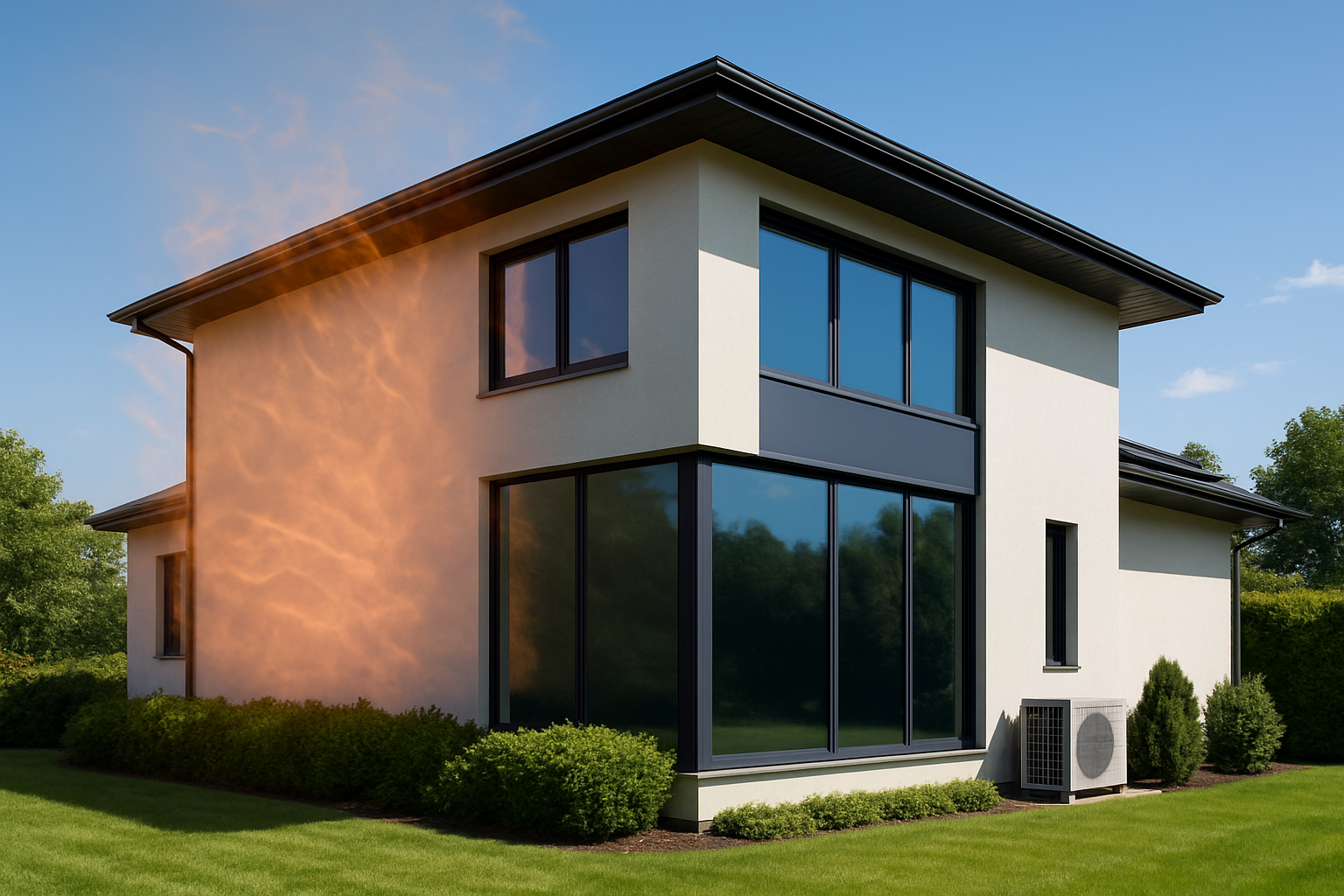
Reflective Films Reduce Solar Heat Gain
Professional window films utilize advanced reflective technology to dramatically reduce solar heat gain by up to 70 percent. Metalized or dual-reflective window films contain microscopic pieces of metal that function like a mirror, reflecting UV light and heat away from your home’s interior. This technology creates a barrier that prevents excessive heat from penetrating through your windows, significantly reducing the burden on your cooling system.
The reflective properties of these films work by bouncing solar energy back toward its source rather than allowing it to enter and heat up your living spaces. This process is particularly effective during peak sunlight hours when solar heat gain typically reaches its maximum intensity. Unlike inferior products that may absorb heat and potentially strain your glass, quality reflective films redirect the energy away from your windows entirely.
Conservatories and South-Facing Windows See Greatest Benefits
Windows that receive direct, prolonged sun exposure throughout the day experience the most dramatic improvements from heat reduction window film. South-facing windows and conservatories are prime candidates for this technology, as these areas typically bear the brunt of solar heat gain during the hottest parts of the day.
These high-exposure areas often become uncomfortable or unusable during summer months without proper heat control measures. Professional window film installation transforms these spaces by creating comfortable environments where you can enjoy natural light without the excessive heat. The technology is particularly beneficial for rooms that you may have previously avoided during seasonal temperature changes, allowing you to reclaim and fully utilize your entire living space year-round.
Reduced Air Conditioning Usage Lowers Energy Consumption
Now that we understand how reflective technology works, the energy savings become clear. By reducing interior heat gain by up to 70 percent, window films take substantial load off your air conditioning system. This reduced demand translates directly into lower cooling bills, with homeowners typically seeing 5 to 10 percent reductions in their energy costs.
The decreased reliance on air conditioning means your HVAC system operates more efficiently and experiences less wear and tear over time. During peak summer months when cooling costs typically spike, the heat reduction benefits become most apparent on your energy bills. Professional window film creates a more stable indoor temperature environment, reducing the frequency and intensity of air conditioning cycles needed to maintain comfortable conditions throughout your home.
Long-Term Durability Eliminates Replacement Costs
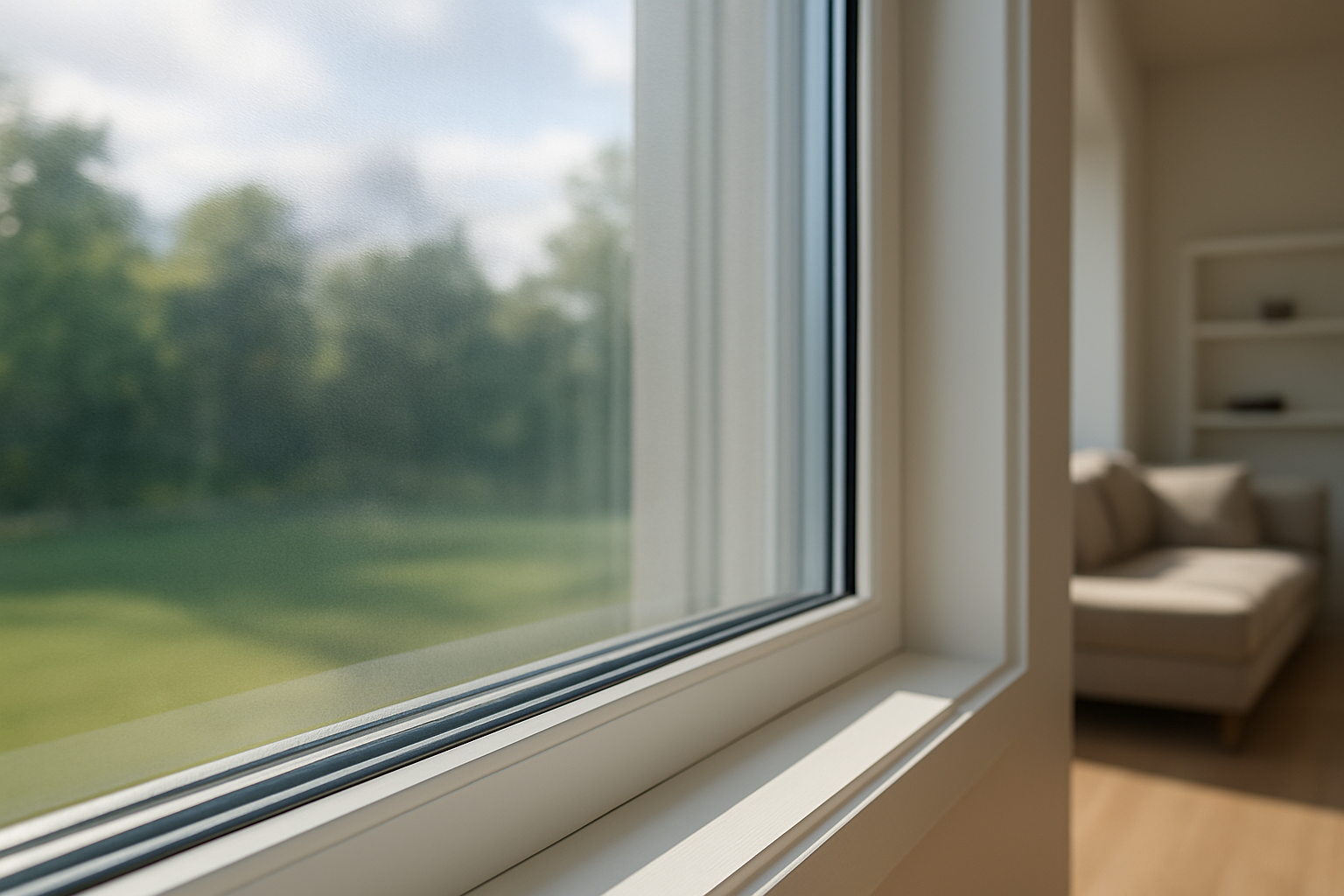
Professional-Grade Films Last 15+ Years
Now that we’ve covered privacy and heat reduction benefits, let’s examine why modern window films represent a smart long-term investment. High-quality window films are engineered with advanced multi-layer construction, incorporating UV inhibitors and sophisticated adhesives designed for exceptional durability. Most professional-grade window films have a general lifespan of 15-20 years, with many residential installations lasting even longer when properly maintained.
The key to achieving this impressive longevity lies in the quality of materials and installation. Manufacturers design modern films with durability as a primary focus, using cutting-edge technology to resist UV breakdown, heat stress, and moisture exposure. Professional installation plays a crucial role in maximizing film life, as experts ensure thorough glass cleaning, bubble-free application, and proper curing conditions.
Lifetime Warranties Available for Quality Installations
With this durability in mind, let’s explore the warranty protection that comes with quality window film investments. Premium window film manufacturers stand behind their products with comprehensive warranty coverage that protects your investment for years to come. Most high-end brands offer warranties ranging from 10 to 15 years for commercial applications, while residential installations often qualify for lifetime warranties.
These warranties typically cover peeling, bubbling, discoloration, and adhesive failure when the film is professionally installed according to manufacturer guidelines. All films available through reputable installers include manufacturer warranties – lifetime coverage for residential spaces and 15+ year protection for commercial applications. However, warranty coverage requires following proper maintenance protocols and using approved cleaning methods to remain valid.
Modern Technology Prevents Purple Discoloration Issues
Previously, older window films suffered from a common problem that modern technology has effectively eliminated. Traditional films often developed purple or yellow discoloration over time due to UV breakdown of the film materials. This color shift was a telltale sign that the film was losing its protective properties and needed replacement.
Today’s advanced window films incorporate sophisticated UV inhibitors and improved material compositions that prevent this discoloration issue. The multi-layer construction and enhanced adhesive systems resist the chemical breakdown that caused older films to change color. When properly installed and maintained, modern films maintain their original appearance and performance characteristics throughout their extended lifespan, eliminating the need for premature replacement due to aesthetic degradation.
Energy Savings Provide Quick Return on Investment
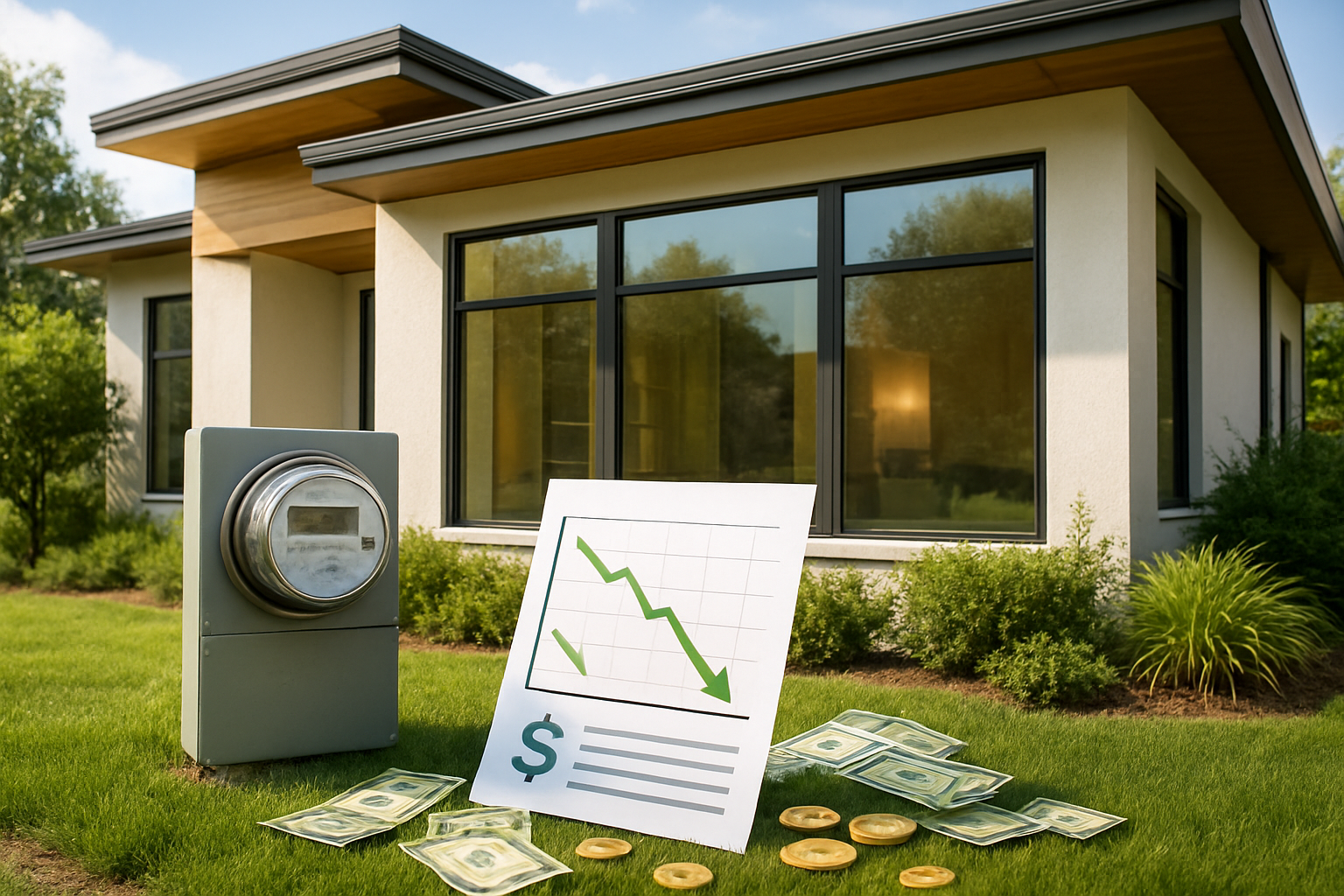
Typical Payback Period of 2-5 Years Through Reduced Bills
Window film delivers exceptional financial returns through measurably reduced energy bills. According to the US Department of Energy, window films typically achieve full payback in as short as 3 years, making them one of the most cost-effective building upgrades available. This rapid return stems from immediate energy savings that begin the moment installation is complete.
The investment cost for quality window film ranges from $5-$8 per square foot for residential projects, with significant volume discounts available for commercial installations. When compared to the average window replacement cost of $283 per window (ranging from $180 to $412), window film provides identical energy benefits at a fraction of the expense.
Year-Round Temperature Regulation Saves on Heating and Cooling
Now that we’ve established the payback timeline, it’s important to understand how window film generates these savings throughout all seasons. The US Department of Energy estimates that windows influence approximately 43% of building energy consumption, creating substantial opportunities for improvement.
Window film addresses this challenge through advanced heat control and low-E technologies that work year-round. During summer months, films reduce solar heat gain coefficient (SHGC), preventing unwanted heat from entering buildings and reducing cooling costs. In winter, certain films help improve the U-value of existing windows, reducing heat transfer and lowering heating expenses.
This dual-season performance means property owners see consistent energy bill reductions regardless of weather conditions, accelerating the return on investment beyond single-season solutions.
Cost-Effective Alternative to Window Replacement
With this energy-saving foundation established, window film emerges as the superior financial choice compared to complete window replacement. While new windows can address energy efficiency issues, they require substantial upfront investment and extensive installation time that can make properties temporarily unusable.
Window film installation rarely takes longer than a day, keeping businesses operational throughout the process. Properties remain fully functional during installation, eliminating lost revenue or productivity that often accompanies major renovation projects.
The cost differential is dramatic – window film delivers all the energy efficiency benefits of new windows at approximately 70-80% less cost, while providing the same NFRC-certified performance ratings. For property owners seeking maximum energy savings with minimal disruption and investment, window film represents an unmatched value proposition.
These seven myths have prevented countless homeowners from experiencing the real benefits of quality window film. From protecting your windows and warranties to delivering substantial energy savings, modern window film technology offers proven solutions that pay for themselves over time. The reality is that professionally installed, high-quality films provide UV protection, privacy, heat reduction, and long-term durability without the drawbacks many people fear.
Don’t let outdated misconceptions cost you thousands in missed energy savings, UV damage to your belongings, and uncomfortable living conditions. With proper selection and professional installation, window film delivers measurable benefits that improve both your comfort and your home’s value. Take the time to research quality films and work with experienced installers to unlock these advantages for your home.